

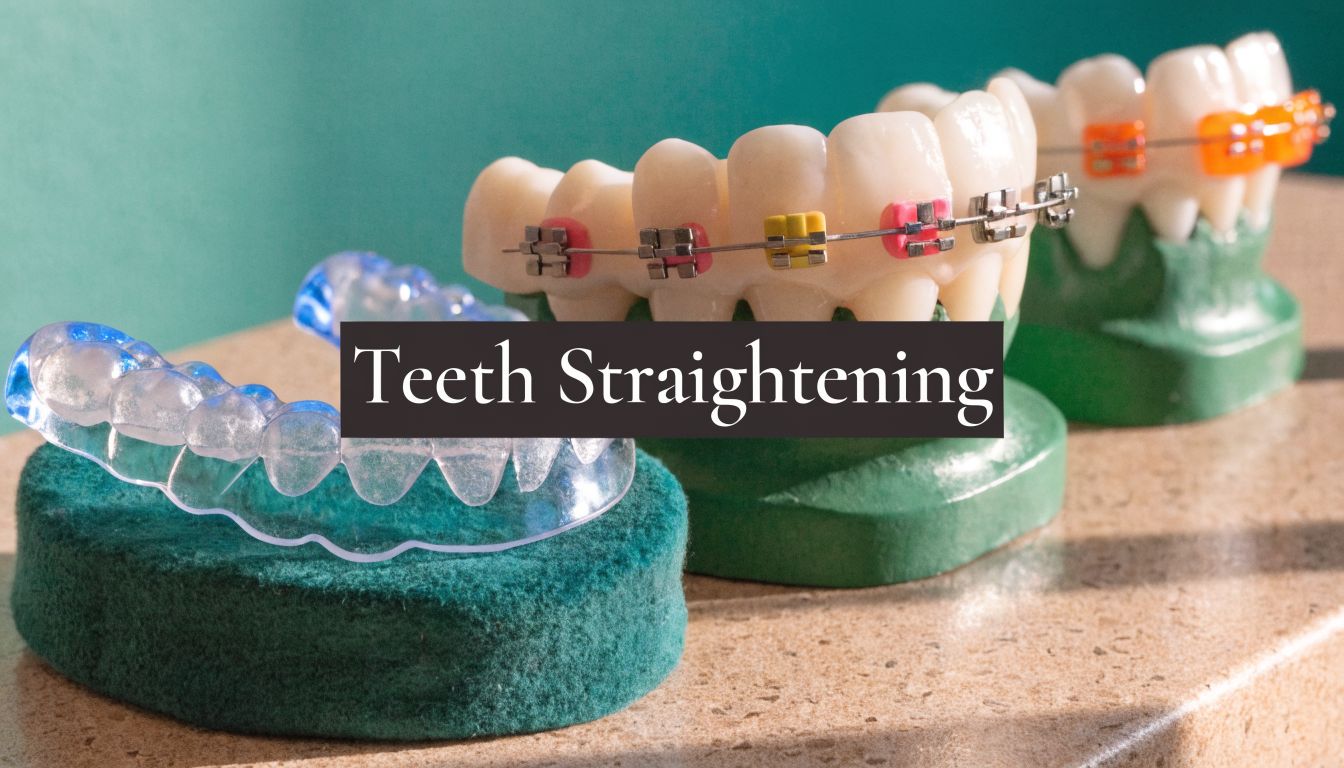
A lot of adults in Amanda, Lancaster, Circleville, and Carroll look in the mirror and have the same quiet thought. The teeth have shifted, an old bite issue never got fixed, or the smile no longer feels as confident as it once did. Then the practical questions start. Is it too late, will treatment be obvious at work, and will it take over daily life?
It’s not too late, and modern treatment is far more flexible than many adults expect. The best teeth straightening options for adults depend less on age and more on bite needs, appearance goals, work demands, and how much structure a person wants from treatment. Some adults want a removable option they can manage around meetings and family dinners. Others need something more fixed and powerful because the bite itself needs correction.
Clear information is essential. A straighter smile can support confidence, but it can also make home care simpler and improve how the teeth come together over time. For adults searching for a dentist in Amanda, OH, or comparing options near Lancaster, Circleville, or Carroll, the most useful starting point is understanding the actual trade-offs instead of chasing marketing claims.
Table of Contents
- Your Guide to a More Confident Smile in Amanda OH
- Why Adults Seek Straighter Teeth Health and Confidence
- An Overview of Modern Adult Orthodontic Options
- A Detailed Comparison of Teeth Straightening Treatments
- When Are Surgical or Hybrid Solutions Needed
- How to Choose the Right Straightening Option for You
- Begin Your Smile Journey at Amanda Family Dental
Your Guide to a More Confident Smile in Amanda OH
Adults often arrive at this decision slowly. A person may notice crowding while brushing before work, catch a side profile in a photo, or feel frustrated that floss keeps catching in the same tight spot. Another adult may have worn braces years ago and now sees shifting that makes the smile look uneven again.
That hesitation is common. Many adults assume straightening teeth means years of highly visible treatment, frequent interruptions, or a plan that doesn’t fit work, parenting, travel, or budget. In reality, adult orthodontic care now includes discreet removable aligners, more refined braces, and cosmetic options for select cases where the goal is visual improvement rather than major tooth movement.
Practical rule: The right option is the one a patient can realistically live with every day, not the one that sounds nicest in an ad.
In adult treatment, lifestyle matters almost as much as diagnosis. A teacher may want something subtle in the classroom. A sales professional may care most about speech and appearance during meetings. A patient with a demanding schedule may prefer a treatment path that’s easy to manage between work and family responsibilities.
There’s also a difference between wanting teeth to look straighter and needing the bite to function better. Some adults need true orthodontic movement because the teeth are crowded, rotated, or meeting incorrectly. Others may be better candidates for cosmetic improvement through restorative treatment when the alignment concern is mild and mostly visual.
A thoughtful consultation should sort those goals out clearly. It should identify what’s happening, explain what can be changed, and show what daily life with each option would look like.
For patients comparing a dentist near me, a cosmetic dentist near me, or a dentist in Lancaster, OH, the most helpful next step isn’t guessing from photos online. It’s getting a diagnosis that connects smile goals to practical, workable treatment.
Why Adults Seek Straighter Teeth Health and Confidence
Adults usually start by talking about appearance. That makes sense. Teeth sit at the center of every conversation, photo, and first impression. But appearance is only part of the story.
Straight teeth can be easier to maintain

When teeth overlap or twist, brushing and flossing can become less predictable. Tight contact points and crowded areas may hold plaque more easily, while a poor bite can create uneven wear on certain teeth. Over time, that can make routine dental care feel like a constant catch-up effort instead of prevention.
Straighter alignment can also help the bite work more evenly. When the upper and lower teeth meet more cleanly, patients often find it easier to chew comfortably and avoid the feeling that one area is taking all the pressure. That doesn’t mean every jaw symptom comes from alignment, but bite issues can absolutely contribute to day-to-day strain.
Nearly 1 in 3 orthodontic patients is now an adult, and adults often prioritize aesthetics and treatment discretion, which helps explain why smile improvement has become a normal choice for working professionals and mature patients, according to adult clear aligner trend data.
Confidence matters too
A straighter smile changes more than photos. It can change how someone speaks in a meeting, smiles at a family event, or responds when a camera comes out. Adults often downplay that side of treatment, but confidence affects daily life in ways that feel very real.
Some patients want health benefits first. Others want to stop thinking about their teeth every time they laugh. Both reasons are valid.
For many adults, the strongest motivation is a mix of both. They want teeth that are easier to clean and a smile that doesn’t make them self-conscious. That combination is why orthodontic treatment isn’t just a cosmetic conversation. It’s also about comfort, maintenance, and feeling more at ease in ordinary moments.
An Overview of Modern Adult Orthodontic Options
Adults choosing between treatments usually do better when they group the choices into a few clear categories instead of trying to compare every product at once.
Clear aligners
Clear aligners use a series of removable trays to move teeth in planned stages. They appeal to adults because they’re discreet, can come out for meals, and don’t cover the teeth with wires or brackets. They also require discipline. A removable system only works when it’s worn as directed.
Daily care matters here. Patients who choose aligners should understand proper aligner cleaning methods so the trays stay clear, comfortable, and more pleasant to wear throughout treatment.
Adults who want a closer look at the process can review how Invisalign works before deciding whether aligners fit their routine.
Braces that fit adult priorities
Modern braces still play an important role, especially when tooth movement is more complex. Traditional metal braces remain highly effective for difficult rotations, crowding, and bite correction. Ceramic braces offer a less noticeable look by blending more closely with tooth color. Lingual braces sit behind the teeth for patients who want the hardware hidden from view.
Braces ask for different trade-offs than aligners. They stay on all the time, which can help patients who don’t want the burden of remembering trays. On the other hand, food choices and brushing habits usually need more adjustment.
Cosmetic and restorative alternatives
Not every adult who says “I want straighter teeth” needs orthodontics. If the concern is mild and mostly visual, treatments such as veneers, bonding, or crowns may improve the appearance of alignment without moving the teeth into new positions.
That approach can work well in narrow situations, but it isn’t a substitute for correcting a real bite problem. Cosmetic dentistry changes shape, contour, and appearance. Orthodontics changes position. Knowing which goal matters most is what keeps treatment honest.
A Detailed Comparison of Teeth Straightening Treatments
Early comparisons are helpful because most adults don’t need every detail at once. They need a reliable snapshot first, then a closer look at which option fits work, comfort, and daily routines.
Teeth Straightening Options at a Glance
| Treatment | Best For | Avg. Time | Visibility | Cost |
|---|---|---|---|---|
| Clear aligners including Invisalign | Adults who want a removable, discreet option for mild to complex cases under supervision | Starting at 6 months for Invisalign | Low | $3,000 to $7,000 for Invisalign |
| Traditional metal braces | Adults who need strong, fixed control for more involved movement | Varies by case | High | Varies by case |
| Ceramic braces | Adults who want brace-based treatment with a less noticeable look | Varies by case | Moderate | Varies by case |
| Lingual braces | Adults who want braces hidden behind the teeth | Varies by case | Very low from the front | Varies by case |
| Cosmetic options such as veneers | Adults with minor visual concerns rather than true orthodontic needs | Varies by plan | Low to none | Varies by case |
Clear aligners including Invisalign
For many adults, clear aligners are the easiest option to integrate into normal life. They’re removable for meals, coffee breaks, brushing, flossing, and social events where appearance matters. That convenience is exactly why so many working adults ask about them first.
Invisalign is doctor-supervised for mild to complex cases, typically costs $3,000 to $7,000, and treatment can start at 6 months, according to this comparative review of clear aligner systems. The same source notes that its SmartTrack material improves force control and that digital planning contributes to highly accurate treatment compared with at-home kits.
The main advantage is lifestyle flexibility. Patients can eat normally because trays come out. Brushing and flossing are simpler than with fixed braces. Appearance is also a major factor for adults who speak with clients, work in public-facing roles, or prefer their treatment not to be obvious.
The main downside is compliance. Removable trays demand consistency. If a patient leaves them out too long, progress slows and the plan can become less predictable.
Clear aligners fit adult life well when the patient wants discretion and is willing to follow the routine every day.
For adults weighing fixed braces against aligners, this guide to Invisalign vs braces for adults can help frame the choice in more practical terms.
Traditional metal braces
Metal braces still matter because they solve problems aligners don’t always handle as efficiently. When teeth are significantly rotated, crowded, or part of a deeper bite problem, fixed braces can give the clinician strong control over movement.
Their biggest strength is reliability. The system stays in place full time, so treatment doesn’t depend on remembering to reinsert trays after lunch or coffee. For adults who know they’re likely to struggle with a removable appliance, braces can be the more convenient choice over the full course of treatment.
The trade-offs are visible hardware and a more demanding cleaning routine. Food restrictions also matter. Hard, sticky, and chewy foods can interfere with brackets and wires, and some adults find those adjustments frustrating after the novelty of treatment wears off.
Ceramic and lingual braces
Ceramic braces appeal to adults who need the effectiveness of braces but want something subtler than metal. They still use brackets and wires, but the brackets blend more closely with natural tooth color. That often makes them easier to accept in professional settings.
Lingual braces move the hardware to the back side of the teeth. From the front, they’re difficult to see. They can be a strong fit for adults who want fixed treatment without the visible appearance of braces across the smile.
Each has trade-offs. Ceramic braces can be less visually noticeable but still require the same general cleaning habits and food caution as braces in front of the teeth. Lingual braces may offer excellent discretion, but some adults notice speech changes or tongue irritation early on.
For certain bite concerns, patients also want to understand whether the issue can be improved without surgery. This overview of non-surgical overbite correction gives a useful plain-language look at how treatment planning can vary by severity.
What about at home aligners
At-home aligners attract attention because the entry price can look simpler and the process can seem easier. The catch is that convenience on the front end may mean less diagnostic oversight. That matters when tooth movement affects bite balance, root position, gum health, or whether attachments are needed for better control.
Professionally supervised treatment gives patients a plan based on an exam, digital records, and follow-up care. That doesn’t just influence appearance. It also influences predictability and whether the teeth are moving in a way that supports long-term stability.
One local option for supervised clear aligner care is Amanda Family Dental, which provides Invisalign as part of complete cosmetic and restorative planning.
When Are Surgical or Hybrid Solutions Needed
Some adults don’t just have crooked teeth. They have a jaw relationship problem, a severe bite discrepancy, or facial asymmetry that can’t be corrected by tooth movement alone. In those cases, braces or aligners may still be part of treatment, but they aren’t the whole answer.
Cases that need more than tooth movement
Surgical orthodontic planning is usually reserved for more advanced skeletal issues. A patient may have an overbite, underbite, open bite, or jaw position problem that requires coordination with a specialist. The purpose isn’t to make treatment sound bigger than it is. It’s to avoid promising that aligners alone can fix something they can’t.
Signs that a case may need a more advanced discussion include:
- Severe bite mismatch: The upper and lower jaws don’t relate in a way that simple tooth movement can correct.
- Functional difficulty: Chewing, speech, or jaw comfort is affected in a way that points to a structural problem.
- Visible facial imbalance: The concern involves more than the position of individual teeth.
Hybrid plans for function and appearance
Not every advanced case means surgery. Some adults benefit from a hybrid plan that combines orthodontic movement with cosmetic finishing. Teeth may first be aligned for healthier positioning, then refined with veneers or bonding if the final concern is shape, color, or worn edges.
The smartest plan isn’t always the shortest one. It’s the one that fixes the real problem first and polishes the appearance second.
That kind of sequencing matters. Veneers can improve the look of a smile, but they won’t correct a true jaw discrepancy. Orthodontics can align teeth, but it won’t change every issue related to tooth size, old wear, or enamel variation. A hybrid plan can be the most balanced solution when both function and appearance matter.
How to Choose the Right Straightening Option for You
Choosing between aligners, braces, and cosmetic alternatives becomes easier when the decision starts with daily life rather than marketing language.

Match treatment to real life
A patient who travels often and eats on the go may need a different plan than someone with a steady office schedule. A person who speaks publicly may care more about visibility and speech changes. A parent managing a full household may want the option with the least daily friction, even if another treatment sounds more advanced on paper.
A few questions usually sharpen the decision:
- How visible can treatment be: Some adults don’t mind brackets. Others strongly prefer something discreet.
- How disciplined is the daily routine: Aligners reward consistency. Fixed braces remove that variable.
- Is the goal cosmetic or functional: Mild front-tooth concerns can call for a different approach than a true bite issue.
- What kind of maintenance feels realistic: Cleaning around braces is different from caring for removable trays or cosmetic restorations.
Adults also sometimes ask whether veneers would be faster than orthodontics. In select cases, they can be part of the answer, but veneers solve a different kind of problem. A patient comparing appearance-focused treatment can review how veneers work to understand where they fit and where they don’t.
Think beyond active treatment
The best decision also considers what happens after the teeth look straight. Long-term stability depends on retention. Up to 90% of adults may experience some tooth relapse within 10 years without lifelong retainer use, according to this discussion of post-treatment relapse and retention.
That changes the conversation in an important way. Straightening teeth isn’t just about finishing active treatment. It’s about choosing a plan that includes retention instructions, follow-up, and a realistic commitment to keeping the result.
A beautiful outcome can drift if the maintenance plan gets ignored.
This is why a professional evaluation matters more than any online quiz. Good planning looks at oral health, gum support, bite function, old dental work, digital X-rays, and whether a person is likely to succeed with the chosen system. The right plan should fit the mouth, the schedule, and the long-term habits needed to protect the result.
Begin Your Smile Journey at Amanda Family Dental
Adults looking for a dentist in Amanda, OH, or comparing care in Lancaster, Circleville, and Carroll usually want more than a list of treatment names. They want a clear first step, a comfortable visit, and honest guidance about what makes sense for their situation.

What a first visit usually includes
A strong consultation starts with listening. The patient’s goals matter, but so do the reasons behind them. Some people want straighter teeth before an event. Others are worried about crowding, old orthodontic relapse, or a bite that no longer feels comfortable.
From there, the next step is records and evaluation. That may include a new patient exam, digital X-rays, and a close look at how the teeth meet, how the gums are doing, and whether the concern is mainly cosmetic, orthodontic, or a mix of both. If clear aligners are being considered, digital planning helps show what movement is realistic and what kind of commitment the process will require.
Who this guidance helps most
This kind of evaluation is especially useful for:
- Adults comparing options: Aligners, braces, veneers, and restorative treatment each solve different problems.
- Patients with old shifting: Teeth that moved after prior braces often need a retention-minded plan.
- Busy professionals and parents: Treatment should fit work, family schedules, and maintenance habits.
- People with dental anxiety: A calmer, more transparent process can make treatment feel manageable.
Dr. Alyssa Jenkins and the team serve patients seeking everyday dental care, cosmetic dentistry, digital X-rays, new patient exams, and personalized treatment planning close to home. That matters for adults who want convenient access to care instead of trying to piece together answers from scattered online comparisons.
For patients searching for a dentist near me, a cosmetic dentist near me, or even broader services such as dental care, cleaning and exams, teeth whitening, restorative dentistry, dental implants near me, tooth extraction, or an emergency dentist, it helps to have one local office that can place smile concerns in the context of full-mouth health.
If a straighter smile has been on the mind for a while, the next step is a personal consultation with Amanda Family Dental. Patients in Amanda, Lancaster, Circleville, and Carroll, Ohio can contact the office to schedule an exam, discuss smile goals, and find out which teeth straightening option fits real life, not just an online comparison chart.