

Root Canal Specialist Near Me: How to Choose the Right Dentist
A persistent toothache can make it difficult to concentrate, sleep, eat, or get through a normal day. When the discomfort does not go away, many people reach for their phone and search for a “root canal specialist near me,” hoping to find quick answers and relief.
That search is a good place to start, but choosing the right dentist involves more than selecting the first office that appears in the results. You need a provider who can determine what is actually causing the pain, explain whether root canal treatment is necessary, and create a plan to protect the tooth after the infection has been treated.
At Amanda Family Dental, we provide root canal treatment for patients in Amanda, Ohio, and nearby communities. Our approach focuses on relieving discomfort, preserving natural teeth whenever possible, and helping patients understand every step of their care.
What Does “Root Canal Specialist” Mean?
Patients often use the phrase “root canal specialist” to describe any dentist who provides root canal therapy. Technically, however, an endodontist is a dentist who has completed additional training focused on the dental pulp and tissues surrounding the roots of teeth. General dentists can also perform root canal treatment, particularly when a case falls within their training and experience.
For patients, the most important first step is receiving an accurate evaluation. Tooth pain does not automatically mean that you need a root canal. Sensitivity can also result from decay, a cracked filling, gum recession, teeth grinding, a damaged crown, sinus pressure, or another dental concern.
A thorough examination allows the dentist to identify the source of the problem and recommend the most appropriate treatment. Depending on the tooth and the complexity of the condition, that treatment may involve a filling, crown, root canal, extraction, or another restorative solution.
When Might You Need Root Canal Treatment?
A root canal treats the soft tissue inside a tooth, known as the pulp. The pulp contains nerves, blood vessels, and connective tissue. When deep decay, a crack, repeated dental work, or an injury allows bacteria to reach this area, the pulp may become inflamed or infected.
During root canal treatment, the damaged tissue is removed. The inside of the tooth is then cleaned, filled, and sealed. The goal is to eliminate the source of infection while preserving the natural tooth rather than removing it.
Symptoms that may indicate a problem inside the tooth include:
- Persistent or throbbing tooth pain
- Sensitivity to hot or cold that lingers
- Pain when biting or chewing
- Swelling or tenderness around the gums
- Darkening or discoloration of a tooth
- A pimple-like bump on the gum
- A bad taste in the mouth
- Facial swelling near the affected tooth
Not every infected tooth produces obvious symptoms. In some cases, changes are discovered during an examination or on dental X-rays before severe pain develops. That is one reason routine dental visits remain important even when your teeth feel normal.
How to Choose the Right Dentist for a Root Canal
When comparing offices after searching for a root canal specialist near you, focus on the complete treatment experience. The right provider should be prepared to diagnose the problem carefully, make you comfortable, explain your options, and restore the tooth properly after treatment.
Look for a Careful Diagnostic Process
A dentist should not recommend root canal treatment based on symptoms alone. Tooth pain can be deceptive, and the tooth that feels uncomfortable is not always the source of the problem.
The evaluation may include a visual examination, a discussion of your symptoms, testing the tooth’s response to pressure or temperature, and dental imaging. Digital X-rays help the dentist examine the tooth, its roots, and the surrounding bone. They can also reveal deep decay, changes around the root, or other concerns that may not be visible during a standard examination.
Amanda Family Dental offers digital X-rays as part of its diagnostic services. The images can be viewed quickly, making it easier for our team to review findings with patients and explain why a particular treatment may be recommended.
Confirm That the Office Provides Root Canal Treatment
Not every general dental office performs root canals. Before scheduling, ask whether the dentist provides root canal therapy and whether the office can evaluate the type of tooth causing the problem.
You should also feel comfortable asking what will happen if the tooth presents an unusually complex situation. A trustworthy dentist will be honest about the treatment that can be handled in the office and will make recommendations based on what offers the best outcome for the patient.
Amanda Family Dental lists root canal treatment among its restorative services. Treatment is intended to remove infected tissue, relieve pressure and discomfort, prevent the infection from progressing, and preserve the natural tooth whenever appropriate.
Ask About Comfort During Treatment
Root canals have an outdated reputation for being extremely painful. In reality, much of the discomfort patients associate with root canals comes from the infection that is already inside the tooth.
The purpose of treatment is to remove that source of pain. Local anesthesia is normally used to numb the treatment area, and patients may experience temporary sensitivity as the tooth and surrounding tissues recover.
When choosing a dentist, look for an office that takes your concerns seriously. The dental team should listen when you describe your symptoms, explain what you may feel during treatment, and give you an opportunity to ask questions before the procedure begins.
Dr. Alyssa Jenkins emphasizes trust, patient education, clear communication, and personalized care. Her approach is designed to help patients feel informed and comfortable rather than rushed through a treatment decision.

Consider the Plan for Restoring the Tooth
Completing the root canal is only part of protecting the tooth. Once the infected pulp has been removed, the tooth may need a permanent filling or dental crown. The appropriate restoration depends on the tooth’s location, how much natural structure remains, and the amount of biting pressure it must withstand.
Back teeth often require significant protection because they absorb considerable force during chewing. A crown can help strengthen a treated tooth and reduce the risk of future cracking. The American Dental Association notes that a permanent filling or crown may be placed after root canal treatment to protect the tooth from further damage.
Amanda Family Dental offers both root canal treatment and dental crowns. Having access to restorative care in the same practice can make it easier to coordinate the different stages of treatment and maintain the tooth over time.
Choose a Dentist Who Explains Your Options
A patient should never feel pressured into treatment without understanding the diagnosis. Your dentist should be able to show you what is happening, explain why the tooth may or may not be savable, and discuss the advantages and limitations of each option.
Useful questions include:
- What is causing the pain?
- Can the natural tooth be preserved?
- Why is a root canal recommended?
- Will the tooth need a crown afterward?
- How many visits should I expect?
- What symptoms should I watch for after treatment?
- What could happen if I delay care?
Clear answers help you make a confident decision. They also allow you to understand how treatment fits into your overall oral health rather than viewing the root canal as an isolated procedure.
Dr. Jenkins completed her dental education at The Ohio State University College of Dentistry and has pursued advanced education through The Dawson Academy, with an emphasis on comprehensive care, dental function, prevention, and lasting oral health.
Think About Convenience and Follow-Up Care
Tooth pain is stressful enough without having to navigate an office that is difficult to reach or unresponsive. Location, scheduling, communication, and follow-up care all matter when choosing a dentist.
A local dental office can also provide continuity after the procedure. The dentist can monitor the treated tooth during future examinations, evaluate the surrounding gums and bone, and check the condition of the filling or crown.
Amanda Family Dental is located at 145 W. Main Street in Amanda, Ohio. We welcome patients from Amanda and surrounding communities, including Lancaster, Circleville, Stoutsville, Ashville, Carroll, Lithopolis, Sugar Grove, and Logan Elm Village.
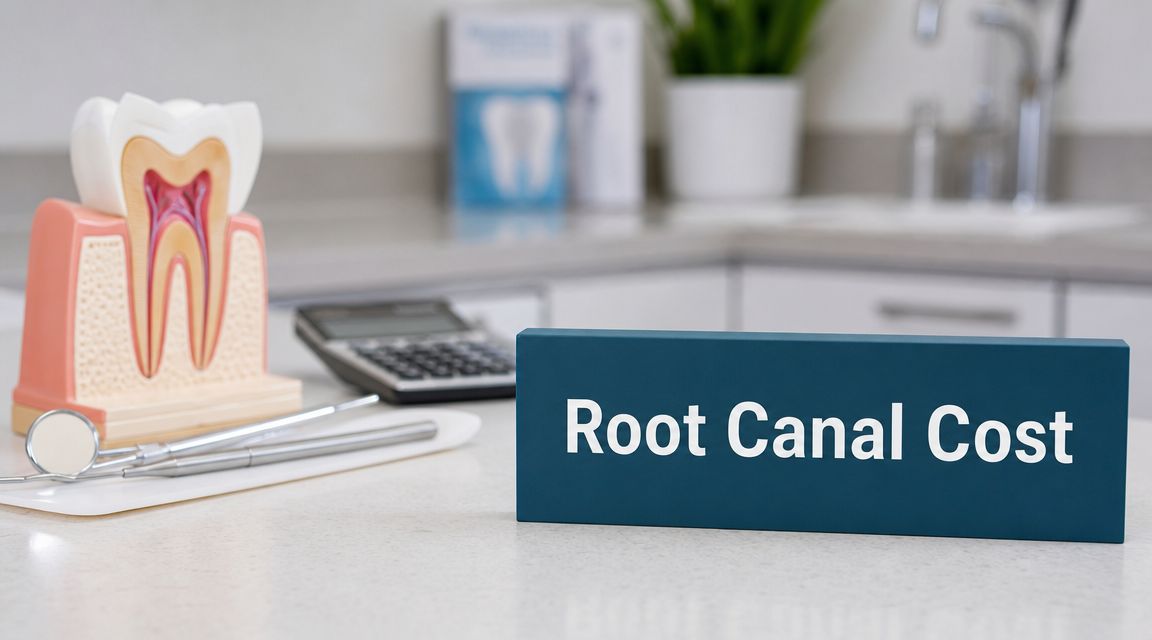
What About the Cost of a Root Canal?
The cost of treatment can vary based on the tooth involved, the complexity of the case, the restoration needed afterward, and the patient’s dental coverage.
Before beginning care, ask for an explanation of the anticipated treatment and fees. It is also helpful to ask whether a crown is expected so you can understand the complete investment rather than considering the root canal procedure by itself.
For patients without dental insurance, Amanda Family Dental offers a Power Plan Membership. The adult plan includes an annual exam, dental cleaning, and X-rays, along with savings on general dentistry services such as dental fillings, crowns, bridges, and root canals.
Do Not Wait for Tooth Pain to Become Severe
Dental infections generally do not resolve on their own. Pain may occasionally fade if the nerve inside the tooth stops functioning, but that does not necessarily mean the infection is gone.
Delaying an evaluation may allow the condition to progress into the surrounding tissues. An untreated abscess can cause swelling, pain, a bad taste, fever, and infection in the nearby bone and tissues.
Contact a dentist promptly if you have persistent tooth pain, swelling, or difficulty chewing. Rapidly increasing facial swelling, trouble breathing or swallowing, fever accompanied by swelling, or other severe symptoms may require urgent medical attention.
Find Root Canal Care Near Amanda, Ohio
Searching for a “root canal specialist near me” is often the first step toward getting relief, but the goal is not simply to find the closest provider. Look for a dentist who takes time to diagnose the problem, discusses your options honestly, prioritizes your comfort, and plans for the long-term health of the tooth.
At Amanda Family Dental, we provide personalized root canal care with an emphasis on preserving natural teeth, relieving discomfort, and keeping patients informed throughout treatment. Our team is here to help you understand what is causing your symptoms and determine the next step for restoring your oral health.
If you have ongoing tooth pain, sensitivity, or swelling, call Amanda Family Dental at 740-969-1198 to schedule an evaluation at our Amanda, Ohio office.
Amanda Family Dental
https://maps.app.goo.gl/kDoSWq497FbknuUw6
(740) 969-1198
145 W Main St, Amanda, OH 43102, United States
https://amandafamilydental.com/