

A search for a dentist in Lancaster usually starts with something immediate. A tooth starts hurting on a Friday afternoon. A parent realizes a child is overdue for a cleaning. Someone looks in the mirror and decides it's finally time to fix the chipped tooth or replace a missing one.
That search can also come from frustration. Many people don't look for dental care until something is already wrong. In fact, 40% of U.S. adults only seek dental care when problems arise, which makes it even more important to find a practice that emphasizes prevention and steady follow-up for long-term health, as noted by Delta Dental's Lancaster dentist directory. For families around Lancaster, Amanda, Circleville, and Carroll, the best fit is usually a dental home that feels calm, explains treatment clearly, and can handle more than just the basics.
Patients often start by reading reviews, checking services, and looking for signs that a practice will listen. Resources like Reviews To The Top's dentist guide can help people understand what to look for beyond star ratings alone, especially when comparing communication style, trust signals, and patient experience. For anyone actively searching for a dentist near home, comfort and clarity matter just as much as convenience.
Table of Contents
- Your Trusted Local Dentist in Lancaster OH
- Comprehensive Dental Services for Your Entire Family
- Advanced Solutions for Cosmetic and Restorative Needs
- What to Expect at Your First Appointment
- Affordable Care Insurance Payments and Membership
- Schedule Your Visit with Your New Lancaster Dentist Today
- Frequently Asked Questions About Our Dental Practice
- Do you serve patients from nearby communities
- What makes biocompatible and health-conscious options appealing
- What if dental anxiety has kept care on hold
- Do cosmetic treatments only help appearance
- What should a new patient bring to the first visit
- Can one office really handle children and adults well
Your Trusted Local Dentist in Lancaster OH
Looking for a new dentist rarely feels like a casual task. Individuals often want answers fast, especially if they're dealing with tooth pain, a broken filling, a cosmetic concern, or a child who needs a more reassuring introduction to dental care.
For patients in Lancaster, OH, that search often comes down to a few practical questions. Can the office handle family care in one place. Are emergency visits available when something hurts now. Will the team explain options in plain language instead of rushing through them.
A good local practice earns trust before treatment begins. That means a front desk that's easy to reach, a clinical team that doesn't talk over patients, and a dentist who treats small concerns seriously before they turn into expensive ones.
Practical rule: The right dental home should feel usable in real life, not just impressive on a website.
People searching for a dentist in Lancaster also tend to compare more than one kind of need at once. A parent may need a child's cleaning, a spouse may want teeth whitening, and another family member may need a crown or tooth extraction. When one office can coordinate those needs with a steady, patient-first approach, appointments become easier to keep and care becomes easier to continue.
That matters in surrounding communities too. Families in Amanda, Circleville, Carroll, and Lancaster often want the same thing. They want dependable care, honest recommendations, and a practice that pays attention to comfort instead of assuming everyone feels relaxed in the chair.
What trust looks like in everyday dental care
Trust in dentistry isn't built by saying the word “comfortable.” It shows up in smaller details:
- Clear explanations: Patients should understand what's happening, why it matters, and what can wait.
- Respect for anxiety: Nervous patients need options, not pressure.
- Consistency for families: Children and adults benefit when records, history, and treatment planning stay in one place.
- Balanced recommendations: Not every chipped tooth needs a full cosmetic overhaul, and not every ache means a major procedure.
Patients usually remember two things most clearly: whether they felt heard, and whether the treatment plan made sense.
Comprehensive Dental Services for Your Entire Family
A family practice works best when it covers routine care, problem-solving treatment, and long-term planning under one roof. That's more than convenience. In areas where access to specialty care can be stretched, a broad in-house service mix saves time and reduces delays. Pennsylvania averages 7,785 residents per dental specialty practice, which is higher than the national average, according to Dentagraphics' Pennsylvania dental infographic. That makes a full-service family dentist especially useful for patients who'd rather not coordinate care across multiple offices.
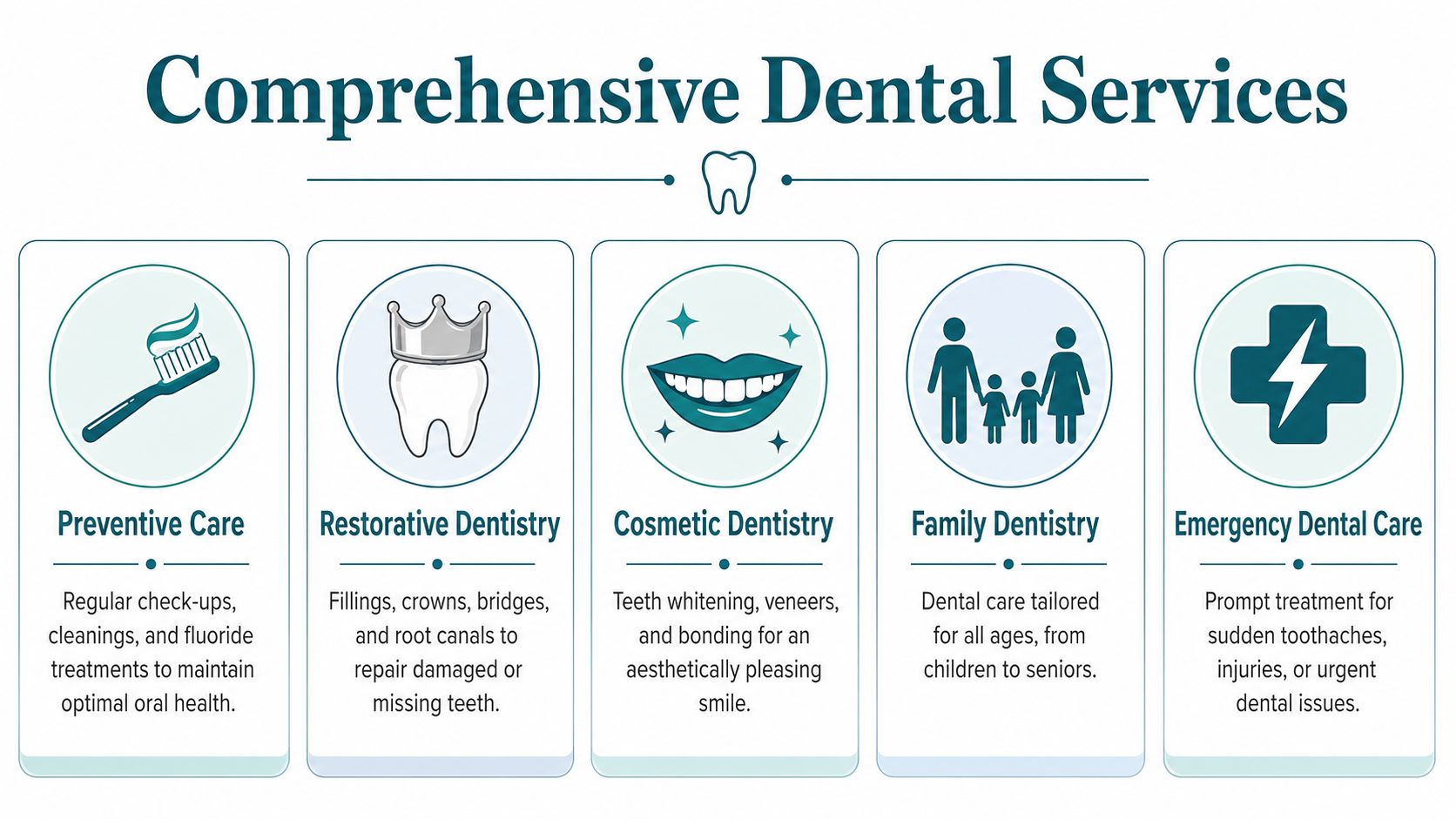
Patients looking for family-friendly dental services usually aren't just looking for a cleaning. They're looking for a place that can handle changing needs over time, from first exams for kids to restorative work for adults and seniors.
One office for routine and complex needs
A strong general practice should make everyday care straightforward while still offering thoughtful solutions when problems show up.
- Preventive care: Cleanings, exams, dental x-rays, and new patient evaluations help catch issues while they're still smaller and simpler to treat.
- Pediatric dentistry: Children need more than clinical skill. They need a calm tone, age-appropriate communication, and a team that can keep visits from becoming stressful memories.
- Restorative treatment: Composite fillings, crowns, bridges, dentures, root canals, and tooth replacement all matter when chewing, speaking, or comfort has been affected.
- Cosmetic options: Whitening, veneers, bonding, and smile design can improve appearance, but they also often improve confidence and willingness to smile in photos, at work, and in social settings.
Some families also want a more health-conscious approach. That may include mercury-free fillings, fluoride-free choices, or a broader discussion about how oral health connects with daily habits and overall wellness. Those preferences are personal, and a good practice addresses them without making patients feel judged from either side.
How service mix changes the patient experience
Not every dental office is set up the same way. Some are strong on emergency repairs but limited on cosmetic planning. Others do fine with routine cleanings but refer out more restorative cases than patients expect.
A more complete office tends to work better for real households because dental needs rarely arrive one at a time. A teenager may need clear aligner guidance while a parent is comparing options for a missing tooth and a younger child is due for a checkup.
A practice becomes more useful when treatment planning is connected. The exam, imaging, preventive care, and next-step options should all fit together.
That's also where practical trade-offs matter. The fastest option isn't always the most durable. The cheapest option isn't always the most conservative in the long run. Good dentistry involves matching treatment to the patient's goals, budget, timeline, and comfort level rather than pushing every case toward the same solution.
A broad service mix helps with that. It gives patients room to choose a path that fits their situation instead of forcing an all-or-nothing decision.
Advanced Solutions for Cosmetic and Restorative Needs
People searching for dental implants near me, cosmetic dentist near me, or tooth extraction usually want more than symptom relief. They want a result that looks natural, feels stable, and doesn't create new frustrations a few months later.
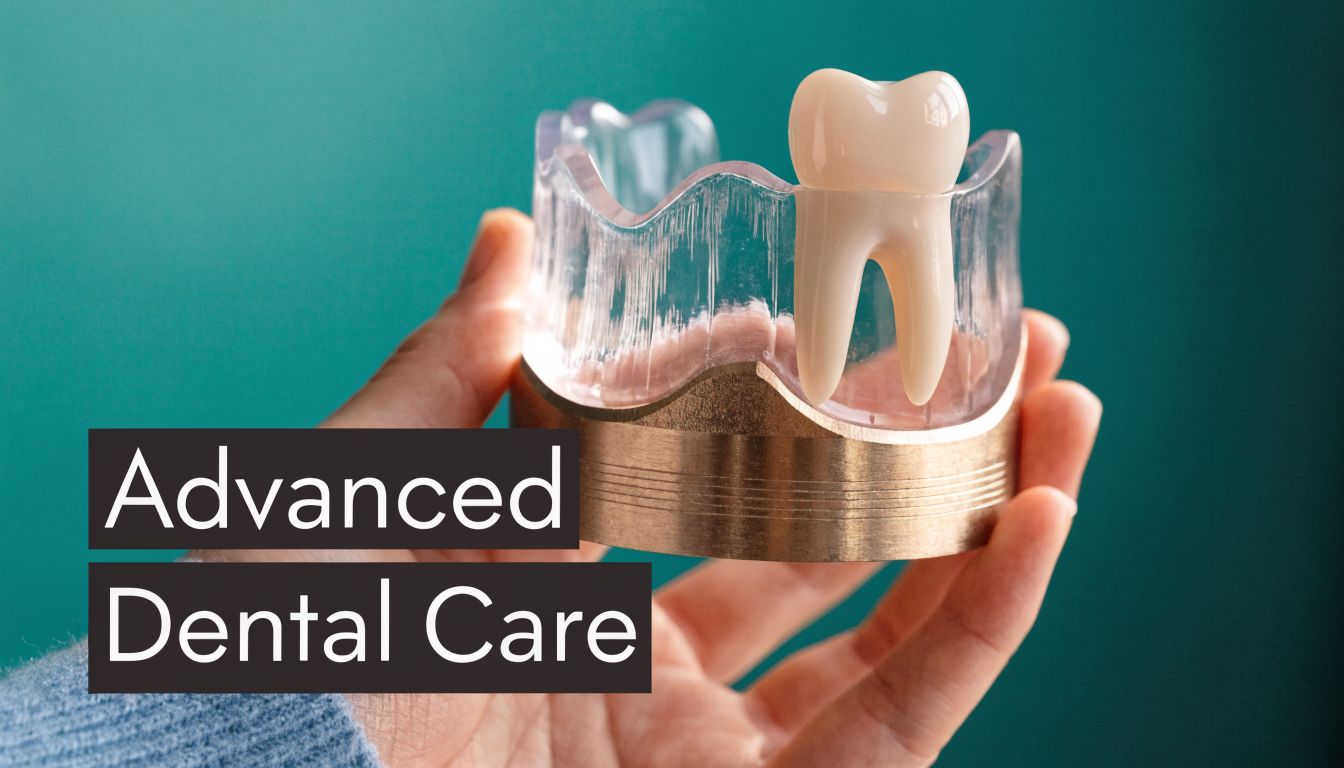
That's where cosmetic and restorative dentistry overlap. A missing tooth is a functional issue, but it also affects appearance and confidence. A worn front tooth may look like a cosmetic concern, but it can also change bite balance and make the smile harder to maintain.
Patients exploring cosmetic dentistry and smile makeover options usually benefit most when the plan starts with function first. Teeth should fit together properly, restorations should hold up to daily use, and cosmetic improvements should support long-term oral health instead of covering a deeper problem.
When cosmetic care is also functional care
Some of the most useful treatments in modern dentistry solve more than one problem at once.
| Treatment | Best for | Practical trade-off |
|---|---|---|
| Dental implants | Replacing missing teeth with a fixed option | Strong function and stability, but treatment takes planning |
| Crowns | Protecting weakened or heavily restored teeth | Durable coverage, but requires reshaping the tooth |
| Veneers | Improving shape, color, and symmetry in visible teeth | Excellent aesthetic control, but not every smile needs them |
| Professional whitening | Brightening stained teeth | Works well for many patients, but sensitivity concerns should be discussed early |
For patients considering whitening, it helps to compare methods carefully. Many people start with take-home products before deciding on in-office care, and guides to sensitivity-free whitening solutions can help patients ask smarter questions about comfort, ingredients, and expected results.
Comfort-focused care for anxious patients
Fear changes treatment decisions. It causes people to postpone cleanings, ignore broken teeth, and wait through pain until the problem becomes more involved. An estimated 36 million Americans avoid the dentist due to fear and anxiety, according to Angstadt Dental's discussion of choosing a dentist. That's why comfort-focused care and sleep dentistry matter.
A nervous patient doesn't need to be told to “just relax.” That rarely works. Better approaches include slower pacing, clear explanations before instruments are used, gentle local anesthetic technique, scheduled breaks, and sedation options for patients who need more support.
Clinical reality: The best anxiety protocol is the one a patient can actually tolerate and return for.
This short overview helps show how treatment planning can stay patient-centered:
Sleep dentistry can be especially helpful for patients who've avoided care for years, people with strong gag reflexes, and those who need several procedures completed efficiently. It doesn't replace communication. It works best when the team also pays close attention to pacing, noise, positioning, and patient control during the visit.
What to Expect at Your First Appointment
The first visit should feel organized, not rushed. New patients often arrive with one main question on their mind, but a thorough first appointment looks at the bigger picture so treatment decisions aren't made in a vacuum.

Patients who like knowing what happens before they arrive often appreciate reading practical resources on forms and workflow, such as IntakeAI's guide to patient intake. A smoother intake process doesn't replace human care, but it can make the visit easier to start.
The first visit step by step
Most first appointments follow a simple sequence.
Check-in and health history
Medical background, medications, symptoms, and prior dental concerns all help shape safe treatment decisions.Exam and conversation
The dentist evaluates teeth, gums, bite, existing dental work, and areas the patient has noticed at home. This part matters because discomfort, appearance, and function don't always point to the same solution.Digital imaging when needed
X-rays help reveal issues that can't be seen in a visual exam alone, especially between teeth or below the gumline.Treatment planning
Patients should leave understanding what needs attention now, what can be monitored, and what options exist for timing and budgeting.
Good treatment planning should lower uncertainty. Patients shouldn't leave wondering what the next step is or why it was recommended.
Why digital imaging matters
Modern imaging improves both safety and speed. Digital radiographs can reduce radiation exposure by up to 90% compared to traditional film X-rays, according to Dr. Weber's dental technology overview. That's a meaningful benefit for patients who want efficient diagnostics with lower exposure.
Digital x-rays also make chairside conversations easier. The image appears quickly, the dentist can point to the exact area in question, and patients don't have to guess what a crack, cavity, or failing restoration looks like. When people can see the problem, treatment decisions usually feel more reasonable and less intimidating.
That same clarity helps with emergencies too. If a patient comes in for tooth pain, swelling, or a broken tooth, immediate imaging can help sort out whether the problem calls for a filling, crown, root canal, extraction, or referral for a more specific procedure.
Affordable Care Insurance Payments and Membership
Cost is one of the main reasons patients delay care, even when they know something needs attention. The challenge is that dental pricing can feel hard to compare from the outside because cost depends on diagnosis, insurance benefits, timing, and whether treatment is preventive or corrective.
How to think about value not just price
The lowest initial fee isn't always the lowest total cost. A delayed filling can turn into a crown. A crown can become more complicated if the tooth breaks further. Emergency care usually feels more expensive because it arrives without planning time.
Patients are usually better served by asking a few direct questions:
- What needs treatment soon: This helps separate urgent care from issues that can be monitored.
- What will insurance likely help cover: Front-office guidance matters because benefit details can be confusing.
- What payment options are available: Flexible payment arrangements can make larger treatment plans more manageable.
- What happens if treatment is delayed: Patients learn the actual trade-off, not just the quoted fee.
A useful financial conversation is specific. Patients should know what the recommended treatment is, what alternatives exist, and what the timing means.
When a membership plan makes sense
Membership plans can be a practical choice for patients without traditional dental insurance or for households that want predictable preventive care costs. They often work best for routine exams, cleanings, and standard discounts on additional treatment.
That doesn't mean membership is automatically better than insurance. The right option depends on how often a patient needs care, what kind of treatment is likely in the near future, and whether the plan keeps preventive visits easy to maintain. The strongest approach is transparency. Patients should be able to compare insurance use, payment plans, and membership benefits without pressure.
For many families in Lancaster, Amanda, Circleville, and Carroll, affordability comes down to flexibility. Clear estimates, realistic scheduling, and preventive planning often do more to control costs than waiting until a dental issue becomes urgent.
Schedule Your Visit with Your New Lancaster Dentist Today
Choosing a dentist in Lancaster comes down to more than location. Patients want a practice that handles routine care, cosmetic goals, restorative treatment, and urgent concerns with the same steady approach. They also want a team that explains options clearly and respects comfort at every stage of care.
That combination matters for families throughout Amanda, Lancaster, Circleville, and Carroll, Ohio. A dependable local office should make it easier to keep up with cleanings and exams, easier to address pain quickly, and easier to move forward when it's time for a crown, implant, extraction, or smile improvement.
Patients also pay attention to what other people say after the visit. Consistent positive feedback often points to the same things. Clear communication. A welcoming staff. Thorough treatment without pressure.
For anyone ready to stop searching and start planning care, the next step is simple. Contact the office, request a consultation, and schedule a visit that fits current needs, whether that means a new patient exam, emergency dentist appointment, cosmetic consultation, or restorative evaluation.
Frequently Asked Questions About Our Dental Practice
Do you serve patients from nearby communities
Yes. We regularly see patients from Amanda, Lancaster, Circleville, Carroll, and other nearby Ohio communities. Many families prefer one local office that can handle routine checkups, children's visits, urgent dental problems, cosmetic work, and more involved treatment, so care stays consistent and easier to coordinate.
What makes biocompatible and health-conscious options appealing
Some patients want dental materials and treatment choices that fit a more health-conscious, minimally invasive approach. That may include mercury-free fillings, fluoride-free choices, and attention to prevention, overall health history, and low-radiation digital X-rays.
That does not mean avoiding standard dental care. It means discussing the options clearly, explaining the trade-offs, and choosing materials and treatment plans that fit the patient's priorities, comfort level, and clinical needs.
What if dental anxiety has kept care on hold
That is more common than many people realize. Anxiety can come from pain, a difficult past visit, embarrassment, or being out of the dental chair for a long time.
A good first step is often a calm exam and conversation. We can slow the pace, explain each step before we do it, pause when needed, and discuss sleep dentistry for patients who need more help relaxing. Once patients know they will be heard and not rushed, treatment usually feels much more manageable.
Do cosmetic treatments only help appearance
No. Cosmetic treatment often improves function too. Bonding, veneers, crowns, and tooth replacement may help with worn teeth, chipped edges, small gaps, bite balance, and chewing comfort. The right plan depends on the cause of the problem and how long the result needs to last.
What should a new patient bring to the first visit
Bring current health information, a medication list, insurance details if you plan to use them, and any questions you want answered. If you have tooth pain, a broken tooth, sensitivity, or an old problem that keeps coming back, it helps to note when it started and what seems to make it worse.
Can one office really handle children and adults well
Yes, if family care is built into the practice instead of added as an afterthought. Children usually need reassurance, patience, and simple explanations. Adults often need more detailed planning, repair work, or options for comfort and appearance. Good family dentistry adjusts the conversation and the treatment approach to the person in the chair.
For patients looking for trusted care close to home, Amanda Family Dental offers family, cosmetic, restorative, and comfort-focused dentistry for Amanda, Lancaster, Circleville, and Carroll, Ohio. Whether the need is a routine exam, emergency dental visit, dental implants consultation, or a care plan that respects both comfort and long-term health, the office makes it easier to take the next step. Schedule an appointment to get clear answers, thoughtful treatment options, and a dental experience built around patient comfort.