


A temporary crown usually doesn't fall off at a convenient time. It happens during lunch, while brushing, or late at night when the office is closed and the tooth suddenly feels strange, exposed, or sharp. That moment can be unsettling, especially if there's no pain and it seems like something that can wait.
It often shouldn't wait. Patients in Amanda, OH, Lancaster, OH, Circleville, OH, and Carroll, OH often assume that if a temporary crown fell off but nothing hurts, the situation isn't urgent. That's the mistake that causes trouble later. A prepared tooth can shift, collect bacteria, or become harder to restore even when it feels completely fine at first.
Amanda Family Dental provides dental care for families and adults who need practical answers, emergency dental services, restorative dentistry, and ongoing support for a healthy smile. Whether someone searched for a dentist near me, an emergency dentist, or a dentist in Amanda, OH, the next move is simple. Protect the tooth, avoid common mistakes, and get it looked at promptly.
Table of Contents
- My Temporary Crown Fell Off What Do I Do First
- Your Immediate Action Plan After Losing a Temporary Crown
- Safe At-Home Fixes vs Dangerous Mistakes
- Why a Lost Crown Is an Emergency Even Without Pain
- Your Recementation Visit at Amanda Family Dental
- Keeping Your Smile Healthy and Secure
My Temporary Crown Fell Off What Do I Do First
A common scene looks like this. Someone is eating, feels something hard, and realizes the temporary crown is in a napkin or on the plate. The first reaction is usually panic. The second is often, “It doesn't hurt, so maybe it's okay until next week.”
That second thought is where patients get into trouble.

The first priority is staying calm
If a temporary crown fell off, the situation is urgent, but it's usually manageable. A temporary crown is meant to protect a prepared tooth for a short period while the final crown is being made. It isn't cemented as strongly as a permanent crown, so it can come loose under the right conditions.
What matters most in the first few minutes is protecting the crown and the tooth underneath. Don't throw the crown away. Don't test the tooth by chewing on it. Don't assume the lack of pain means there's no risk.
Practical rule: Pain is a symptom. It is not a reliable timing tool for dental problems.
The pain paradox patients miss
The most important point is simple. No pain doesn't mean no problem. Data shows that while 68% of temporary crown failures happen without immediate pain, 42% of these patients wait over 72 hours to contact their dentist, significantly increasing the risk of tooth movement, decay, and permanent crown misfit.
That pattern matters for local patients looking for a dentist in Lancaster, OH, dentist in Circleville, OH, or dentist in Carroll, OH because delay can turn a simple recementation into a more involved restorative problem. The tooth under a temporary crown has already been shaped. Without that cover, it's more vulnerable than it looks.
What helps right away
A short mental checklist can keep the situation under control:
- Save the crown. If it's intact, the dentist may be able to reuse it.
- Keep the area clean. A gentle rinse helps remove debris.
- Avoid chewing there. Even soft pressure can irritate the prepared tooth.
- Call promptly. A same-day or next-day plan is the safest move.
Patients searching for an emergency dentist are often relieved to learn this doesn't usually mean a hospital emergency. It does mean the tooth deserves prompt professional attention.
Your Immediate Action Plan After Losing a Temporary Crown
The first half hour matters. A simple routine helps protect the tooth and keeps the crown in the best possible shape for recementation.

Handle the crown carefully
Pick up the crown and place it somewhere clean. If it fell onto a dirty surface, rinse it gently with water. Don't scrub aggressively or try to reshape it. A temporary crown can still be useful if it's intact and clean.
Look at it briefly. If it's cracked, chipped, or misshapen, keep the pieces and bring them to the appointment.
Check the tooth without poking at it
Use a mirror if available and take a quick look. The prepared tooth may appear smaller, flatter, or more tapered than a natural tooth. That's normal. It may feel rough or sensitive to air.
Don't keep touching it with fingers or tools. The goal is to observe, not to test it.
If the tooth feels odd but not painful, that still calls for quick follow-up.
Contact the dental office quickly
That timing is why a dentist near me search often happens right after the crown comes off. A temporary crown problem is usually treated as a minor dental emergency because quick recementation protects the underlying tooth and helps preserve the fit of the final restoration.
Keep the area clean and protected
A few simple actions help while waiting for the visit:
- Rinse gently. Warm water helps clear away food and debris.
- Chew on the other side. That reduces pressure on the exposed tooth.
- Choose softer foods. This lowers the risk of irritation or fracture.
- Watch temperature sensitivity. Very hot or cold foods can be uncomfortable.
If discomfort starts, over-the-counter pain relief may help some patients, but the proper solution is getting the crown addressed professionally.
Safe At-Home Fixes vs Dangerous Mistakes
Some patients can't get in immediately. A crown may come off at night, during a holiday weekend, or while traveling between Amanda, Lancaster, Circleville, and Carroll. In that short waiting period, the right temporary fix can help. The wrong one can create a bigger problem.
When a short-term home fix makes sense
If the crown is intact and the tooth area isn't showing sharp damage, over-the-counter temporary dental cement or denture adhesive may help hold the crown in place briefly until the appointment. The area should be gently cleaned first, then dried as well as possible before the crown is reseated carefully.
For patients dealing with related damage, Amanda Family Dental also provides guidance on temporary options for a broken tooth, which can be helpful when the situation isn't limited to the crown alone.
What to Do and Not Do While You Wait
| Safe Actions Do | Dangerous Mistakes Don't |
|---|---|
| Use pharmacy temporary dental cement. This is made for short-term oral use. | Use super glue or household glue. These materials can damage the tooth and complicate treatment. |
| Rinse the crown and tooth gently. Clean surfaces improve short-term seating. | Force the crown into place. Pressure can distort the crown or irritate the tooth. |
| Bite down lightly after placement. Gentle pressure helps seat the temporary. | Chew on the affected side. This can loosen the crown again or stress the prepared tooth. |
| Remove excess material carefully. Keep the area as clean as possible. | Ignore a poor fit. If the crown doesn't sit properly, don't keep trying. |
| Stick with soft foods. This limits movement and sensitivity. | Eat sticky foods. Gum, caramel, and chewy foods can pull the crown right back off. |
The mistake that causes the most trouble
Patients are explicitly advised never to use household adhesives like super glue for reattachment, because these permanent chemicals can damage the tooth structure and make it impossible for the dentist to properly place the permanent crown later.
That's the line that shouldn't be crossed. A temporary crown is supposed to come off easily for the final appointment. Household glue turns a reversible problem into one that may require more cleanup, more chair time, or a new temporary.
A safe temporary fix is meant to protect the tooth for a short time. It is not meant to replace professional recementation.
Why a Lost Crown Is an Emergency Even Without Pain
A missing temporary crown doesn't always hurt. That's exactly why it gets underestimated.
The tooth is less protected than it looks
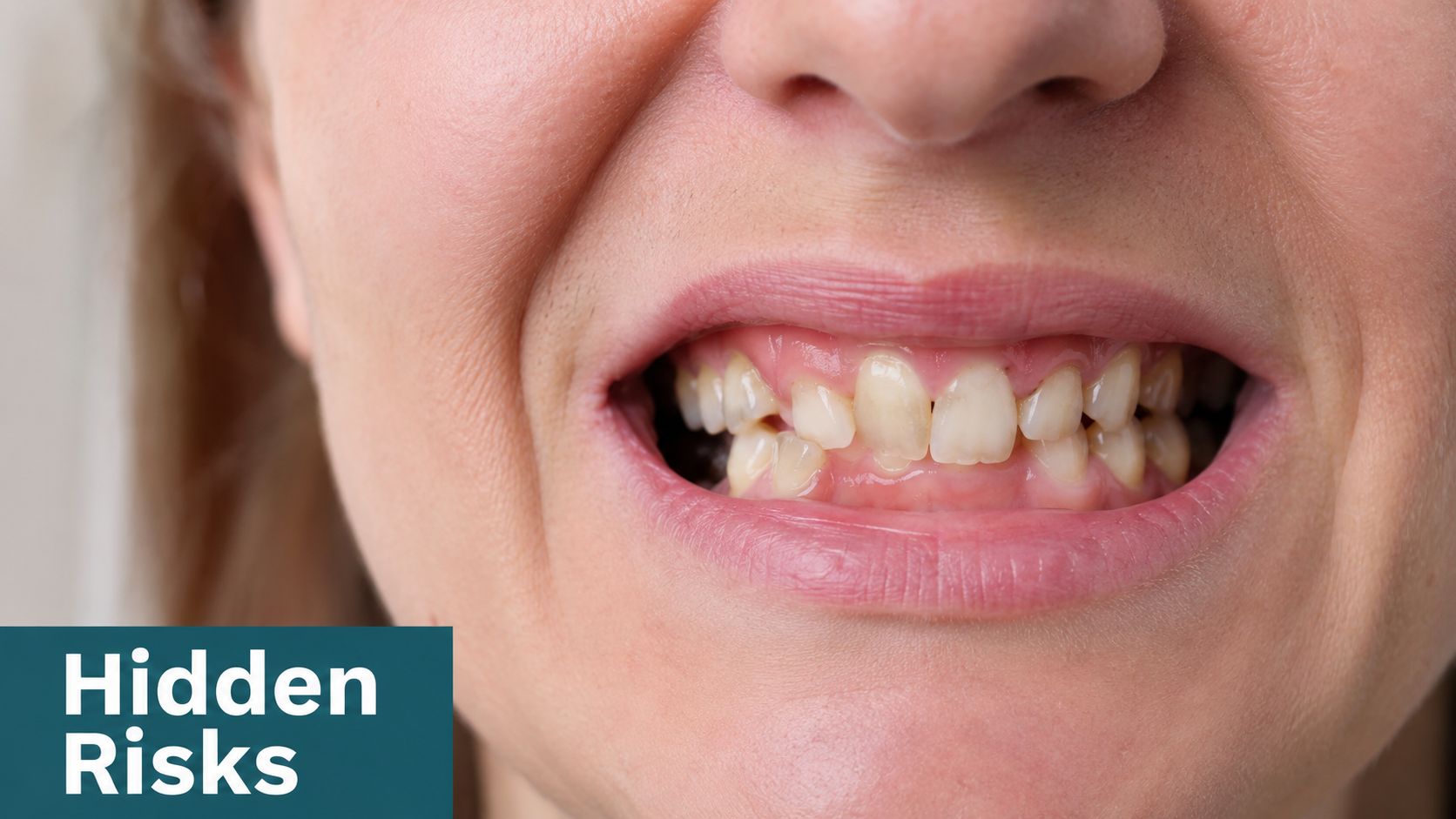
The prepared tooth under a temporary crown has been shaped to make room for the final restoration. The temporary crown is intentionally cemented with a weaker adhesive to allow for easy removal, but if the tooth is left exposed for more than a few days, it is vulnerable to fracture, sensitivity, and bacterial contamination, which can compromise the final outcome.
That's why even a calm, pain-free tooth can still be at risk. The outer coverage is gone, and the tooth underneath doesn't have the same protection it had before treatment started.
Three reasons waiting can backfire
- Tooth movement: Teeth don't need a dramatic event to shift. Small movement can affect how the final crown seats.
- Bacterial exposure: A prepared tooth is easier for plaque and debris to irritate if it's left uncovered.
- Structural weakness: Without the temporary crown acting as a cover, the tooth may be more likely to chip or fracture under pressure.
Patients searching for an emergency dentist for urgent dental care are often surprised that “no pain” cases still belong in that category. They do. The urgency comes from protecting the restoration, not just relieving symptoms.
For offices handling frequent calls during treatment hours, tools like an AI answering service for dentists can also help patients reach someone quickly when a crown comes off and they need clear next steps.
A short clinical overview can make this easier to picture:
Why this matters for the final crown
When a temporary crown falls off, the goal isn't just comfort today. It's protecting the work already done so the final crown still fits the way it was planned. Delaying care can interfere with that.
That matters whether someone is looking for a dentist in Amanda, OH after work or an emergency dentist from nearby Lancaster, Circleville, or Carroll. Fast attention is often what keeps the fix simple.
Your Recementation Visit at Amanda Family Dental
Most patients expect this kind of visit to be more complicated than it is. In many cases, recementation is straightforward. The appointment is focused, practical, and centered on protecting the tooth and getting treatment back on track.

What happens when the patient arrives
The first part is a quick review of what happened. The team looks at the temporary crown, checks whether it's intact, and examines the prepared tooth. If the crown can be reused, the next step is usually cleaning away residual temporary cement and making sure the crown still seats correctly.
If the crown is damaged, the dentist explains the next practical option. That may mean a new temporary so the tooth stays protected until the permanent crown is ready.
What the procedure usually feels like
Recementation is generally simple. The tooth and crown are cleaned, the fit is checked, and temporary cement is placed so the crown can be reseated securely. Patients may feel pressure, but this is not usually a complex restorative appointment.
Most patients are relieved by how quick and uneventful recementation is once they're in the chair.
In some cases, the visit also helps uncover why the crown came off. Biting pressure, clenching, food choices, or how the tooth contacts the opposing arch can all play a role. Those details matter because they help prevent the same problem from happening again.
How this can connect to broader care
A temporary crown issue sometimes becomes the first visit that introduces a patient to a local office for ongoing treatment. During emergency dental services or restorative dentistry visits, patients may also ask about new patient exams, digital x-rays, cleaning and exams, or planning future care for the rest of the family.
For patients who want to understand more about the material used during this type of repair, Amanda Family Dental provides additional information about cement used for tooth crowns.
What patients can expect next
Before leaving, the patient should know:
- Whether the same temporary was reused or a replacement was needed
- How to eat and clean around the area until the final crown appointment
- When to return for the permanent restoration
- What warning signs matter, such as looseness, breakage, or rising sensitivity
That kind of clarity matters to families trying to find a dependable dentist in Circleville, OH, dentist in Lancaster, OH, or dentist in Carroll, OH without driving all over for answers. A crown visit should leave the patient with a plan, not more uncertainty.
Keeping Your Smile Healthy and Secure
Once the temporary is back in place, the next goal is keeping it there until the final crown appointment. Good habits make a real difference during this short window.
Habits that protect a temporary crown
Temporary crowns are meant for a limited period, not for rough use. They hold up best when patients keep daily habits gentle and predictable.
- Choose softer foods. Sticky, chewy, and hard foods put more stress on temporary cement.
- Chew on the opposite side. This is one of the simplest ways to prevent another dislodgement.
- Brush carefully. Keep the area clean without scrubbing the gumline aggressively.
- Floss with control. Slide floss out gently instead of snapping upward against the temporary.
- Pay attention to clenching. Night grinding and daytime clenching can loosen a temporary faster.
Prevention is part of good restorative care
A crown problem is often one small part of a larger oral health picture. Regular dental care helps catch issues early, whether the concern is decay around a tooth, bite pressure, worn enamel, or a restoration that needs attention.
That's why patients who come in for a temporary crown problem often benefit from staying current with:
- Cleaning and exams for routine prevention
- Dental x-rays when a deeper look is needed
- Restorative dentistry for worn, broken, or heavily restored teeth
- Cosmetic dentistry for smile appearance and confidence
- Tooth extraction and replacement planning when a tooth can't be saved
- Dental implants near me searches when long-term replacement is needed after tooth loss
A local dental home matters
Families in Amanda, Lancaster, Circleville, and Carroll often want more than a one-time fix. They want a dental office that can handle emergencies, preventive visits, cosmetic concerns, and restorative treatment under one roof. That continuity matters because treatment decisions are easier when the office already understands the patient's history, goals, and comfort needs.
A temporary crown falling off can feel minor until it disrupts eating, adds sensitivity, or threatens the fit of the final crown. Fast, sensible care protects oral health, chewing function, speech comfort, and confidence.
The best time to deal with a lost temporary crown is the day it happens, not the day it starts hurting.
If a temporary crown fell off, the safest next step is to contact Amanda Family Dental and arrange prompt care. Patients in Amanda, OH, Lancaster, OH, Circleville, OH, and Carroll, OH can reach out for guidance, schedule an appointment, or request a consultation for emergency dental services, restorative treatment, cosmetic dentistry, cleanings and exams, and long-term smile care.