

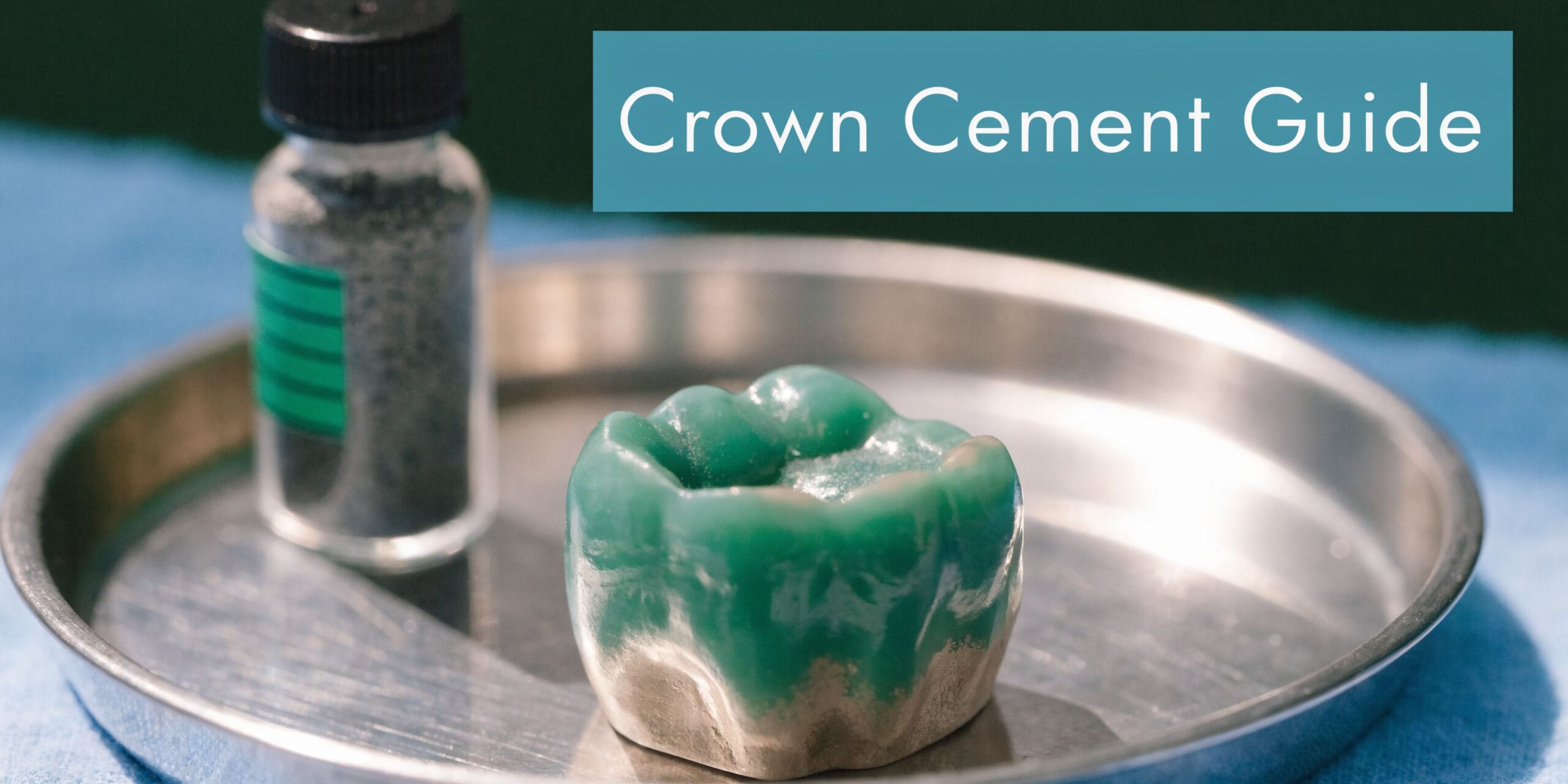
A patient often hears the words “you need a crown” and immediately starts wondering about pain, cost, how long it will last, and whether the tooth will feel normal again. One detail that rarely gets explained clearly is the cement holding that crown in place. Yet that small layer plays a big role in comfort, fit, and how well the restoration performs over time.
For families searching for a dentist near me, a dentist in Amanda, OH, or a dentist in Lancaster, OH, understanding cement for tooth crown treatment can make the whole process feel less mysterious. It helps patients ask better questions and feel more confident about restorative dentistry, whether they are dealing with a cracked tooth, an older failing crown, or an emergency dentist visit after a crown comes loose.
Table of Contents
- Your Trusted Dentist for Dental Crowns in Amanda OH
- Understanding Cement for Your Tooth Crown
- Permanent vs Temporary Cement for Crowns
- What to Expect During Your Crown Cementation
- Caring for Your New Crown and Recognizing Issues
- Choosing Your Best Dental Crown Option in Lancaster OH
- Common Questions About Dental Crowns and Cement
- Can a crown be recemented if it falls off
- Does crown cementation hurt
- Is temporary cement weaker than permanent cement
- Why would one patient get a different cement than another
- What if the new crown feels too high
- Can brushing and flossing damage the cement
- What should a patient do if a crown comes off at home
- Are crowns only for damaged teeth
Your Trusted Dentist for Dental Crowns in Amanda OH
A common local scenario goes like this. A patient from Amanda, Lancaster, Circleville, or Carroll comes in for tooth pain, bites on something hard, and learns that the tooth can be saved with a crown instead of removed. Relief comes first. Then the questions start.
Will the crown look natural. What if it comes off. What does the cement do. Is the process uncomfortable.

Those are reasonable concerns. A crown is not just a cap placed on a tooth. It is a carefully fitted restoration that has to work with the bite, protect the remaining tooth, and stay sealed against the gums. The cement is part of that system. If the fit is good but the wrong cement is used, the crown may not perform the way it should.
Why patients get confused about crown cement
Many people hear the word “cement” and think of something simple and construction-like. Dental cement is more specialized than that. It is chosen based on the crown material, the shape of the prepared tooth, moisture control, esthetics, and how much extra retention the case needs.
That is why two patients getting crowns on the same day may not receive the same kind of cement. One may have a zirconia crown on a back molar. Another may have a more translucent ceramic crown in the smile zone. The dentist is not guessing. The material choice is part of the treatment plan.
Local care feels easier when the process is explained
Patients looking for a dentist in Amanda, OH or a cosmetic dentist near me usually want more than technical skill. They want plain answers and a practice that does not rush them. Learning a bit about crown cement can lower anxiety before treatment and make the appointment feel more predictable.
A helpful starting point is getting to know the provider behind the care. This overview of Dr. Alyssa Jenkins and the local dental team gives patients a better sense of the approach to restorative and family dental care in the Amanda area.
A well-cemented crown should not feel like a mystery project. It should feel secure, comfortable, and well planned.
Understanding Cement for Your Tooth Crown
Dental cement works like the precise bonding layer between the tooth and the crown. A simple analogy is mortar between carefully placed stone. The crown may be beautifully made, but it still needs the right material underneath it to help seal, support, and retain it.
If that area is not handled properly, bacteria, leakage, looseness, or sensitivity can become problems. This is important because the crown and the natural tooth meet at a tiny margin. According to a summary discussing crown retention and failures, approximately 80% of crown failures result from cementation issues rather than crown quality or preparation technique (dental cement for crowns guide).
What crown cement actually does
A patient may think cement has only one job. It has several.
- Retention: It helps hold the crown on the prepared tooth.
- Seal: It helps close the microscopic space between the crown and tooth.
- Support: It contributes to how the restoration sits and functions.
- Protection: It can help reduce pathways for bacteria and irritation.
Some cements are designed more for conventional seating. Others are chosen when a stronger bond is needed. The decision depends on the situation in the mouth, not just on dentist preference.
Why there is not one universal cement
Different crown materials behave differently. So do different teeth.
A front tooth that shows when smiling may call for one type of approach. A back molar with heavy chewing forces may call for another. A shorter tooth preparation may need more retention than a tall, well-shaped preparation.
Patients often hear terms like resin cement or RMGI and wonder whether one is “better.” The better choice is the one that fits the case. The crown material, the tooth shape, and the clinical conditions all matter.
What this means for the patient
For the patient, the choice of cement affects practical things:
- how securely the crown stays in place
- whether the restoration needs bonding or conventional cementation
- how sensitive the tooth may feel afterward
- how carefully moisture and cleanup must be managed during placement
The crown itself gets most of the attention. The thin layer beneath it often determines whether the result feels dependable over time.
This is one reason a rushed crown appointment can lead to frustration later. Good restorative dentistry is not only about making a crown look nice. It is also about selecting the right cement for tooth crown treatment and placing it carefully.
Permanent vs Temporary Cement for Crowns
When patients hear that a crown is being “cemented,” they are often talking about two very different stages. One is the short-term stage with a temporary crown. The other is the final stage with the permanent crown.
Why temporary cement exists
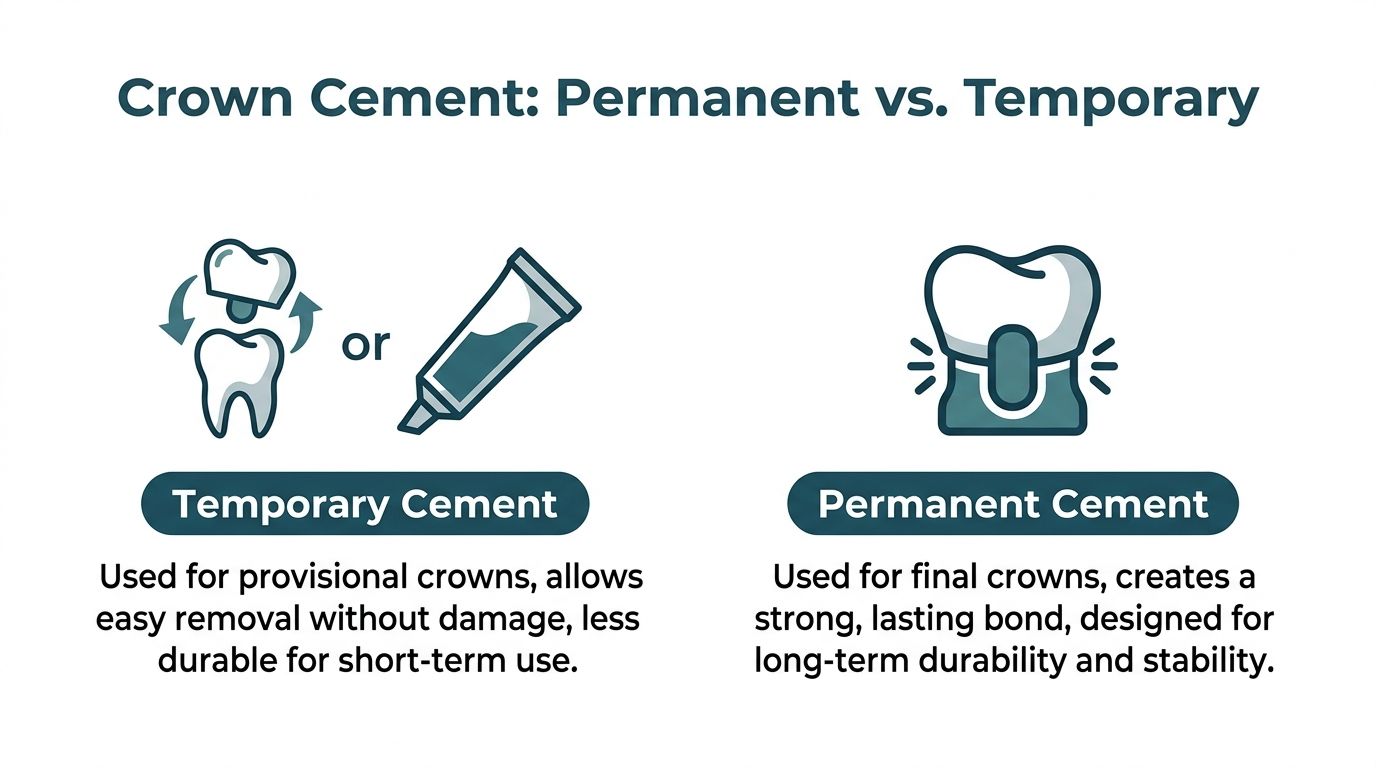
A temporary crown protects the tooth between visits. The cement used for that temporary crown is meant to hold it in place for a short period while still allowing the dentist to remove it without damaging the tooth or the temporary.
Temporary cement is useful because the final crown may need small adjustments before it is permanently seated. It gives the patient function and coverage while the lab work is completed or while the final fit is being confirmed.
A temporary crown should feel reasonably stable, but it is not meant to have the same staying power as the final restoration.
How permanent cements differ
Permanent cements are selected for long-term service. They are not all the same.
A major national study of 3,468 single-unit crowns placed by 202 dentists found that 38.1% of crowns were bonded with resin cement, while 61.9% were cemented with non-bonded materials. Among non-bonded choices, resin-modified glass ionomer cement accounted for 52.2%. The same study also found that cement choice strongly tracked with crown material, with higher bonding rates for leucite-reinforced glass ceramic and lithium disilicate than for zirconia or porcelain-fused-to-metal crowns (national crown cementation study).
For a patient, that means this is not a random decision. The dentist considers what the crown is made of and how the tooth was prepared.
Comparing patient-facing differences
Resin cement is often chosen when stronger bonding is needed. This may matter with certain ceramic materials or preparations that need extra retention.
Resin-modified glass ionomer, often shortened to RMGI, is widely used for conventional crown seating. It is a common choice for many routine crown cases where full adhesive bonding is not required.
Some patients also ask about comfort and sensitivity. That conversation is specific to the tooth, the crown material, and the condition of the nerve and surrounding dentin. The cement is part of the picture, but not the only factor.
Comparing Dental Cement Options
| Cement Type | Primary Use | Key Patient Benefit |
|---|---|---|
| Temporary cement | Holding a provisional crown between visits | Easier removal when the final crown is ready |
| Resin-modified glass ionomer (RMGI) | Conventional seating for many final crowns | Predictable long-term placement in appropriate cases |
| Resin cement | Bonding cases that need stronger adhesion | Added retention for selected materials or less retentive preparations |
A patient does not need to memorize brands or chemistry. The useful question is simpler: why is this cement the right match for this crown and this tooth?
What to Expect During Your Crown Cementation
The final cementation visit is usually more comfortable and faster than patients expect. By this point, the tooth has already been prepared, and the permanent crown has been made. The appointment focuses on fit, comfort, bite, and secure placement.
At the start of the visit
The appointment often begins with removal of the temporary crown, if one is in place. The tooth is then cleaned so the final crown can seat properly. Any old temporary material must come off thoroughly, because even a small amount can affect the fit.
Then the dentist tries in the final crown. This is when the team checks:
- Fit at the edges: The margins need to sit correctly against the tooth.
- Bite contact: The crown should not feel too high.
- Appearance: On visible teeth, color and contour matter.
- Comfort: The patient should be able to close naturally.
If the crown needs a slight adjustment, that is done before final cementation.
How the final crown is seated
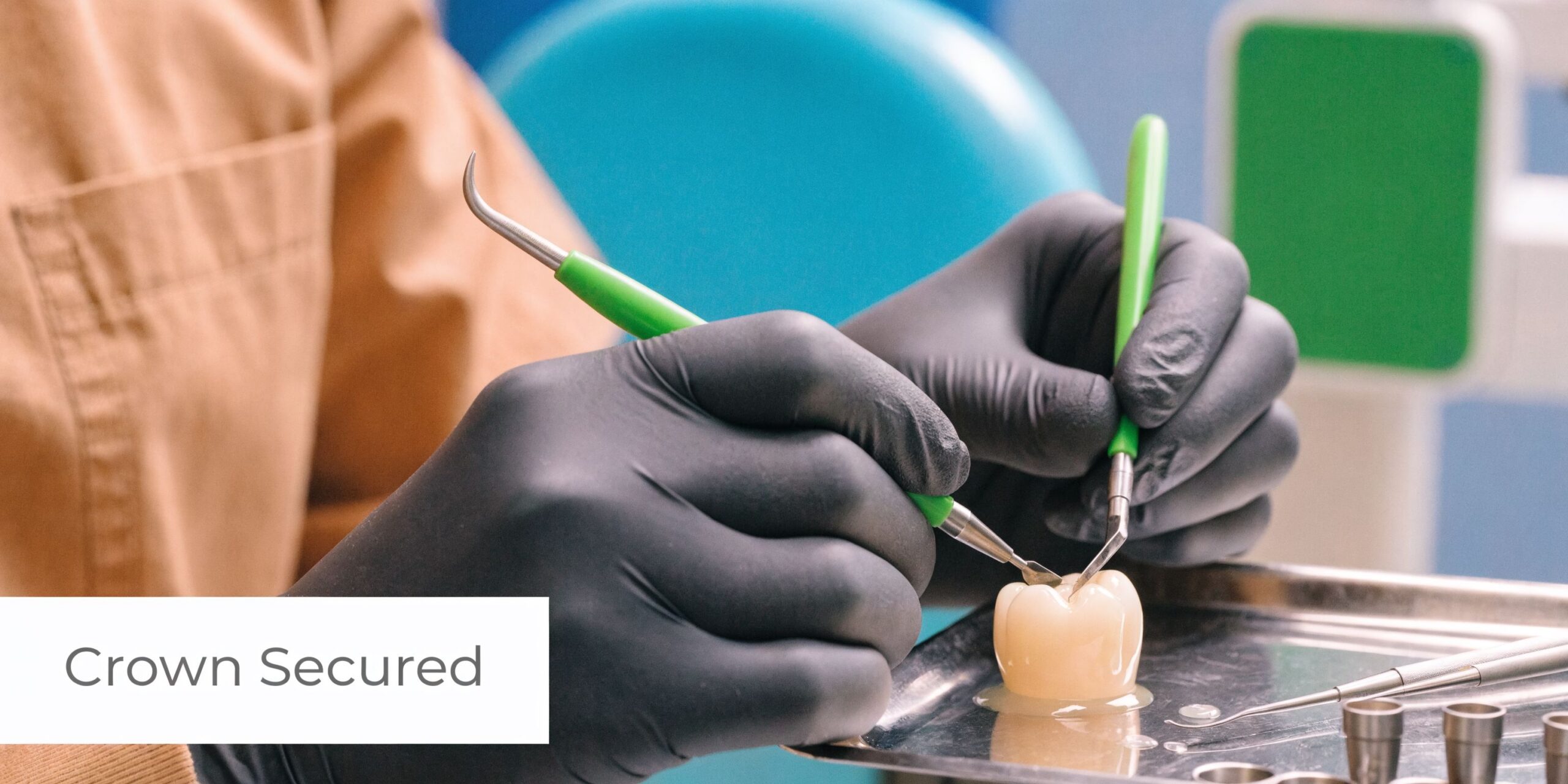
Once the fit looks right, the chosen cement is prepared and placed into the crown or onto the tooth, depending on the material and protocol. The crown is seated carefully and held in the correct position while the cement begins to set.
For RMGI, one set of clinical best practices includes mixing it to a glossy sheen, avoiding overdrying the tooth, and using auto-mix syringes for consistency, all of which help support a stronger and more predictable bond (clinical advice on cementing PFM crowns).
Patients usually feel pressure, not sharp pain. If the tooth is sensitive or the patient is anxious, comfort measures can be used. A calm appointment matters just as much as technical accuracy.
A short video can help make the sequence feel more familiar before the visit.
Final cleanup matters more than patients realize
After the crown is seated, the dentist removes extra cement around the edges. That step is important for gum health and comfort. Leftover cement can irritate tissue or create places for plaque to collect.
The bite is checked again at the end. Sometimes only a tiny adjustment is needed. The goal is a crown that feels natural when chewing and does not interfere with the way the teeth come together.
Patients often judge a crown by how it feels when they leave. Much of that comfort comes from careful fit checks and cleanup, not just the crown material itself.
Caring for Your New Crown and Recognizing Issues
A newly cemented crown does not usually require a difficult recovery. Most patients return to normal daily activity quickly. Still, the first day and the long term both matter.
The first day after cementation
The dentist may recommend a softer diet for the rest of the day, especially if the bite was adjusted or the tooth was numbed. Patients should be cautious with very sticky foods at first, since those foods can put extra force on a new restoration.
Daily home care stays important:
- Brush gently but thoroughly: The crown still sits next to natural tooth and gum tissue.
- Floss with care: Good flossing helps keep the margin clean.
- Notice the bite: If the crown feels high, that is worth reporting.
- Keep follow-up visits: Small problems are easier to correct early.
Long-term gum health also supports crown success. Patients who want practical home-care habits can review these tips for maintaining healthy gums.
Signs that deserve a call
A crown can feel slightly different for a short time, especially after a tooth has been treated or adjusted. But some symptoms should prompt a call to the office.
These include:
- Looseness: The crown should not wiggle or shift.
- Pain on biting: This can suggest bite imbalance or another issue.
- Persistent hot or cold sensitivity: Brief awareness may happen, but ongoing sensitivity should be checked.
- A rough edge or pressure at the gums: Excess cement or contour issues may need attention.
- A visible gap or dark line near the margin: This can point to leakage, recession, or a fit concern.
Patients sometimes worry that a problem means the whole treatment failed. Not always. Many crown issues are manageable when caught early.
A patient-friendly review of crown longevity questions notes that surveys suggest 10% to 15% of crowns may fail within 5 to 10 years, often because of problems at the margin or with the cement, which is one reason regular dental exams matter (questions to ask during a dental crown consultation).
Small symptoms are easier to handle than delayed ones
If a crown feels off, the safest move is not to wait and “see if it settles” for too long. A minor adjustment may solve the issue quickly. A loose crown left alone can allow food and bacteria underneath, which can threaten the tooth supporting it.
A crown usually lasts best when the patient treats subtle changes as useful information, not as something to ignore.
This applies whether the crown was placed after a cavity, a cracked tooth, a root canal, or another restorative dentistry procedure.
Choosing Your Best Dental Crown Option in Lancaster OH
Patients do not need to become experts in dental materials before getting a crown. They only need a dentist who can match the right material and the right cement to the specific conditions in the mouth.
Why the best cement depends on the case
The ideal cement for tooth crown treatment depends on several details working together:
- the crown material
- the amount of natural tooth still present
- the shape and height of the prepared tooth
- the location of the tooth in the mouth
- bite pressure and grinding habits
- esthetic goals
A person looking for a dentist in Lancaster, OH, dentist near me, or emergency dentist after a broken crown often wants one simple answer. The situation is more personalized than that. The right choice for a front tooth may not be the right choice for a molar. The right choice for a short preparation may differ from a highly retentive one.
That is good news for patients. It means the plan should be customized, not generic.
Questions worth asking at a consultation
A patient does not need to ask about chemistry formulas. Better questions are practical:
- Why is this crown material being recommended?
- Does this tooth need bonding or conventional cementation?
- What should the crown feel like after placement?
- What signs would mean the office should be contacted?
- How will the bite and fit be checked?
Patients in Lancaster, Amanda, Circleville, and Carroll who are comparing treatment options can also review this page about dental crowns and restorative care to understand how crowns fit into a larger treatment plan.
A good consultation should leave the patient feeling informed, not overwhelmed. The final cement choice belongs to the clinical decision-making process, but the patient should still understand why that choice supports comfort, function, and long-term health.
Common Questions About Dental Crowns and Cement
Can a crown be recemented if it falls off
Sometimes, yes. If the crown and the underlying tooth are still in good condition, the dentist may be able to clean the area and recement it. If decay, damage, or fit changes are present, a new crown may be the better option.
Does crown cementation hurt
Patients usually feel pressure rather than pain. If the tooth is tender or recently treated, the dentist can use comfort measures. The appointment is generally straightforward.
Is temporary cement weaker than permanent cement
Yes. Temporary cement is designed for short-term retention and easier removal. Permanent cement is selected for long-term service.
Why would one patient get a different cement than another
Cement choice depends on the crown material, the tooth preparation, location in the mouth, retention needs, and clinical conditions during placement. Two crowns can look similar but require different cement strategies.
What if the new crown feels too high
That should be checked. A crown that feels high can often be adjusted. It is better to call promptly than to keep biting on it and irritate the tooth or jaw.
Can brushing and flossing damage the cement
Normal brushing and flossing should not damage a properly placed final crown. In fact, daily cleaning helps protect the margin where the crown meets the tooth.
What should a patient do if a crown comes off at home
The crown should be kept in a safe container and the dental office should be contacted as soon as possible. Patients should not try to glue it back with household adhesives. Those products are not made for the mouth and can complicate recementation.
Are crowns only for damaged teeth
No. Crowns are commonly used to protect weakened teeth, restore teeth after large fillings or root canals, improve function, and in some cases support cosmetic goals as part of restorative or cosmetic dentistry.
Patients in Amanda, Lancaster, Circleville, and Carroll who need clear answers about crowns, emergency dental care, restorative dentistry, or cosmetic treatment can contact Amanda Family Dental to schedule a consultation. The team provides personalized exams, digital x-rays, and treatment planning designed to keep care comfortable, practical, and close to home.