


Sleep Apnea Treatment: Your Complete Guide to the Best Options
Sleep apnea treatment is not one-size-fits-all. One person may respond well to a CPAP machine, while another may need an oral appliance, lifestyle changes, myofunctional therapy, surgery, or a combination of approaches.
The right choice depends on several factors, including the type and severity of sleep apnea, the structure of your airway, your overall health, and how consistently you can use the recommended treatment.
That last point matters. A treatment may look highly effective on paper, but it cannot help if it is so uncomfortable or inconvenient that you rarely use it. The best sleep apnea treatment is usually the option that controls the condition, fits your medical needs, and can be used consistently.
At Amanda Family Dental, we provide sleep and airway screening, home sleep study guidance, obstructive sleep apnea screening, airway measurements, total health screening, and myofunctional therapy. These services help patients in Amanda, Ohio, and surrounding communities identify possible breathing concerns and understand the appropriate next step.
Understanding What Sleep Apnea Does
Sleep apnea occurs when breathing repeatedly stops and restarts during sleep. The most common type is obstructive sleep apnea, or OSA, which develops when the upper airway repeatedly narrows or becomes blocked. Central sleep apnea is different because it involves a problem with the signals the brain uses to control breathing.
Common warning signs include loud snoring, gasping, witnessed pauses in breathing, morning headaches, dry mouth, restless sleep, trouble concentrating, and excessive daytime fatigue. Untreated sleep apnea can affect sleep quality and is associated with increased risks of serious health problems, including heart attack and stroke.
Symptoms alone cannot determine which treatment you need. An accurate diagnosis should come first.
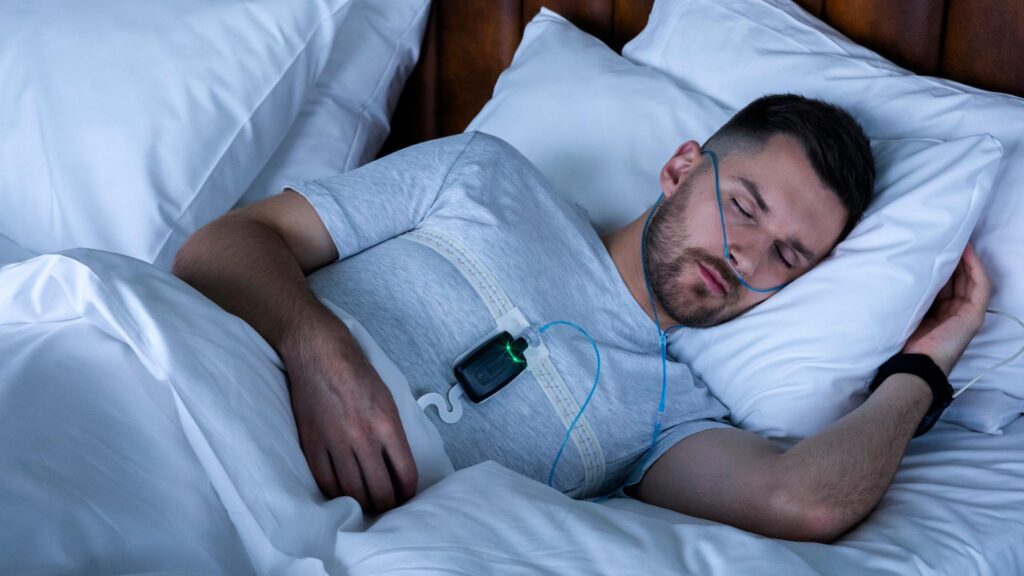
Begin With Screening and Sleep Testing
A sleep and airway screening can identify signs that deserve further investigation. During a dental evaluation, the dentist may look at the relationships among the mouth, jaw, tongue, oral tissues, and airway. The provider may also review snoring, daytime fatigue, morning headaches, dry mouth, breathing pauses, and other sleep-related concerns.
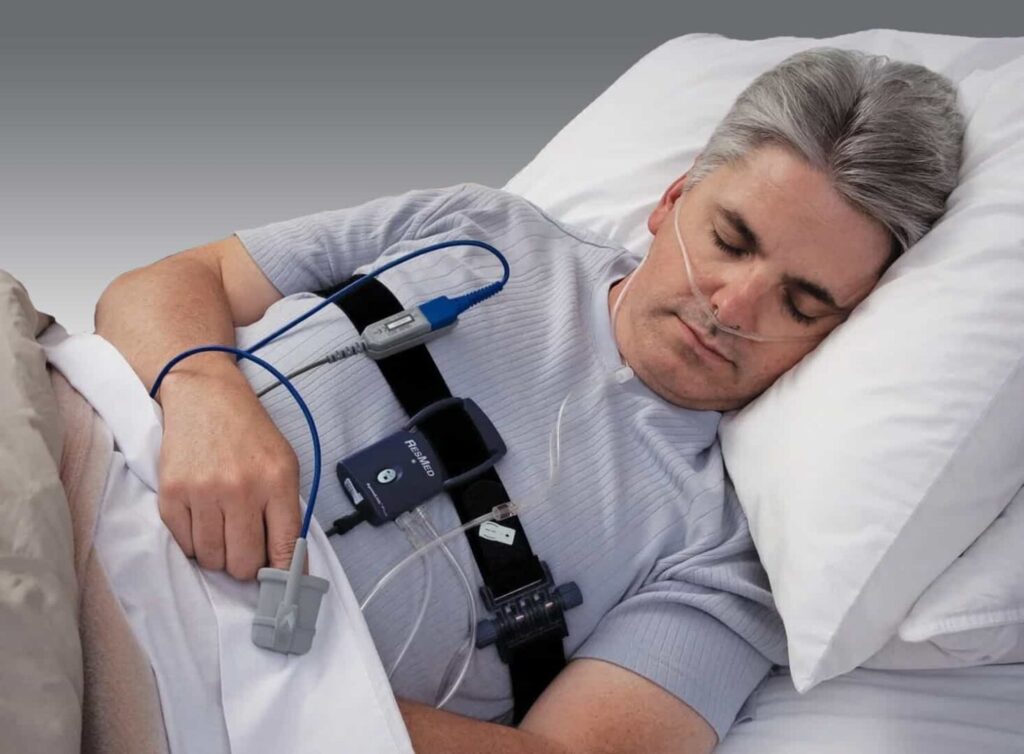
Screening does not diagnose sleep apnea. Amanda Family Dental specifically explains that its OSA screening is intended to identify patients who may benefit from additional testing. For some patients, a home sleep study can gather overnight information about breathing patterns in a familiar environment. Other people may need a more comprehensive study in a sleep center.
The results help qualified healthcare providers determine whether sleep apnea is present and how severe it may be. That information guides the treatment decision. Choosing a device or therapy before establishing what is actually happening can lead to incomplete or inappropriate care.
Positive Airway Pressure Therapy
Positive airway pressure, or PAP, is the most common treatment for sleep apnea. A PAP machine sends pressurized air through a mask to help prevent the airway from closing during sleep.
The most familiar type is continuous positive airway pressure, commonly called CPAP. It supplies a steady level of pressure throughout the night. An APAP machine automatically changes the pressure based on the patient’s needs, while a BPAP machine provides different pressure levels during inhalation and exhalation.
PAP therapy can be highly effective, but adjusting to it may take time. Mask leaks, dry mouth, nasal irritation, congestion, and discomfort can make some people tempted to stop using the machine. Rather than giving up, patients should speak with their sleep provider. A different mask, pressure adjustment, humidification, or gradual acclimation plan may improve comfort.
PAP therapy should be used during all sleep, including naps, when prescribed. Consistency is a major part of controlling nighttime breathing interruptions.
Custom Oral Appliances
An oral appliance is a removable device worn in the mouth during sleep. One common design holds the lower jaw in a forward position so it is less likely to slide backward and restrict the upper airway. Another type helps prevent the tongue from falling backward.
A healthcare provider may prescribe an oral appliance when a patient does not want to use CPAP or cannot tolerate it. The device should be custom-fitted by a qualified dentist or orthodontist rather than purchased as a generic over-the-counter snoring guard.
Oral appliance therapy is not suitable for every case. The dentist must consider the patient’s teeth, gums, jaw joints, bite, and ability to support the device. Follow-up sleep testing may also be needed to confirm that the appliance adequately controls the condition.
Amanda Family Dental’s current service information emphasizes OSA screening, sleep-study guidance, airway measurement, and myofunctional support. It does not specifically list custom sleep apnea appliances as an in-office treatment. When an appliance or another specialized treatment is indicated, coordinated care with the appropriate medical or dental provider may be necessary.
Lifestyle and Positional Changes
Lifestyle changes may support other sleep apnea treatments and, in selected mild cases, may significantly reduce symptoms.
A healthcare provider may recommend maintaining a healthy weight, exercising regularly, limiting alcohol, avoiding smoking, improving sleep habits, and reducing caffeine intake when appropriate. Some patients are also advised to sleep on their side because sleeping on the back may allow the tongue and soft tissues to fall toward the airway more easily.
These steps should not be viewed as a reason to delay testing or discontinue prescribed treatment. A person can have sleep apnea at many different body sizes, and weight loss alone does not guarantee that the condition has resolved.
Any major improvement should be confirmed through follow-up care rather than assumed because snoring has decreased.
Myofunctional Therapy
Myofunctional therapy uses repeated exercises to improve how the tongue, lips, facial muscles, and other oral structures function. The goal is to support healthier tongue posture, nasal breathing, swallowing, speech, and airway-related muscle function. The National Heart, Lung, and Blood Institute identifies mouth and facial muscle therapy as a potential component of sleep apnea care for adults and children.
Amanda Family Dental provides myofunctional therapy as part of its whole-health and airway-focused approach. The practice describes the therapy as a series of gentle exercises that train the muscles of the tongue, face, and lips to function more effectively. It may help support better breathing patterns and sleep quality while also addressing swallowing, speech, and oral development.
Myofunctional therapy should not automatically replace CPAP, a prescribed oral appliance, surgery, or other medically recommended treatment. It may be used as supportive care within a broader plan, depending on the patient’s diagnosis and functional findings.
Consistency is essential. Like physical therapy, the exercises generally need to be performed regularly rather than only during office visits.
Surgical Treatment
Surgery may be considered when a structural obstruction contributes to sleep apnea or when more conservative treatments are not effective or appropriate.
Procedures may address enlarged tonsils, excess tissue in the mouth or throat, the position of the jaws, or the function of the tongue. Hypoglossal nerve stimulation is another option for selected patients and uses an implanted device to help keep the airway open during sleep.
Surgery is not a single treatment. Different procedures solve different anatomical problems, and patients need a detailed evaluation by the appropriate medical or surgical specialist.
Children require particularly individualized care. Pediatric treatment may include removal of enlarged tonsils and adenoids, PAP therapy, medications for selected conditions, orthodontic care, oral devices, myofunctional exercises, or other airway procedures.
Medication and Weight-Management Care
Medication is not the traditional primary treatment for the airway obstruction itself. However, the FDA has approved a weight-management medication for certain people with obesity and moderate to severe obstructive sleep apnea. Treatment must be prescribed and monitored by an appropriate medical provider and is generally paired with nutrition and physical activity recommendations.
This approach is not appropriate for everyone and can involve significant side effects and medical contraindications. It should not be started, stopped, or selected based only on online information.
Patients may still need PAP therapy, an oral appliance, or another treatment even when weight-management care is part of the plan.
How Airway Measurements Support Treatment Planning
Amanda Family Dental uses a pharyngometer to noninvasively measure the size and shape of the oral and pharyngeal airway. The practice also uses a laryngometer to gather additional measurements related to the airway and surrounding structures.
These measurements may reveal areas of narrowing and add helpful information to the overall evaluation. They do not independently diagnose sleep apnea or prove that one treatment will work.
Their value comes from combining them with symptoms, clinical observations, health history, and sleep-study findings. This broader view can help determine whether further testing, myofunctional support, or coordinated specialty care may be appropriate.

How to Choose the Best Option
The best sleep apnea treatment near me should be selected through a collaborative process. Your provider should explain the type and severity of your condition, the goal of each option, expected benefits, possible side effects, and how treatment success will be measured.
Ask how often you will need follow-up care and whether another sleep study will be used to confirm that treatment is working. You should also understand who will manage each part of your care. A sleep physician, primary care provider, dentist, myofunctional therapist, ENT specialist, or surgeon may all have different roles.
Be cautious of providers who guarantee that one device or therapy cures every case. A trustworthy plan should be based on your individual findings, not on the treatment an office happens to sell.
Start With Sleep and Airway Screening in Amanda, Ohio
You do not have to determine the perfect treatment before scheduling your first evaluation. The initial goal is to understand your symptoms, identify warning signs, and arrange the appropriate testing.
Led by Dr. Alyssa Jenkins, Amanda Family Dental takes a comprehensive approach that considers oral health, airway function, prevention, comfort, and whole-body wellness. Dr. Jenkins is a graduate of The Ohio State University College of Dentistry and has completed advanced training through The Dawson Academy.
Our office offers sleep and airway screening, home sleep study guidance, OSA screening, pharyngometer and laryngometer measurements, total health screening, and myofunctional therapy. We welcome patients from Amanda, Lancaster, Circleville, Stoutsville, Ashville, Carroll, Lithopolis, Sugar Grove, Logan Elm Village, and nearby Ohio communities.
If you regularly snore, wake feeling exhausted, experience morning headaches or dry mouth, or have been told that you stop breathing during sleep, contact Amanda Family Dental at 740-969-1198 to schedule a sleep and airway evaluation. The right first step can lead to clearer answers and a treatment plan built around your specific needs.
Amanda Family Dental
https://maps.app.goo.gl/kDoSWq497FbknuUw6
(740) 969-1198
145 W Main St, Amanda, OH 43102, United States
https://amandafamilydental.com/