


Finding the Right Sleep Apnea Doctors Near Me
Waking up tired after spending eight hours in bed can be frustrating. You may assume you need an earlier bedtime, less screen time, or another cup of coffee. But when poor sleep comes with loud snoring, morning headaches, dry mouth, restless nights, or pauses in breathing, the problem may be more than an inconsistent sleep schedule.
These symptoms can be associated with obstructive sleep apnea, a condition in which the airway repeatedly narrows or becomes blocked during sleep. Finding the right sleep apnea doctors near me is an important first step, but many patients are unsure where to begin. Should you call your primary care physician, a sleep specialist, an ear, nose, and throat doctor, or a dentist?
In many cases, successful care involves more than one provider. A physician or qualified sleep specialist is responsible for diagnosing sleep apnea, while an airway-focused dentist may help identify warning signs, evaluate oral structures, guide patients through testing, and provide supportive dental care when appropriate.
At Amanda Family Dental, we offer sleep and airway screening, home sleep study guidance, obstructive sleep apnea screening, airway measurement technology, and myofunctional therapy for patients in Amanda, Ohio, and surrounding communities. Our goal is to help patients better understand their symptoms and determine the right next step.
What Kind of Doctor Treats Sleep Apnea?
A sleep medicine physician is a medical doctor with specialized training in diagnosing and managing sleep disorders. Sleep specialists may come from backgrounds such as internal medicine, pulmonology, neurology, psychiatry, pediatrics, or otolaryngology before completing additional sleep medicine training.
Your primary care physician may also be a helpful starting point. They can review your symptoms, medical history, medications, and risk factors, then refer you for appropriate testing or specialist care.
Depending on what may be contributing to the condition, your care team could also include:
- An ear, nose, and throat specialist for structural nasal or throat concerns
- A pulmonologist for breathing-related conditions
- A cardiologist when cardiovascular concerns are present
- A dentist trained in airway screening or dental sleep medicine
- A myofunctional therapist who works with tongue, lip, facial, and breathing patterns
The right starting point depends on your symptoms and available local resources. You do not necessarily need to identify every provider before seeking help. A knowledgeable medical or dental professional can begin the screening process and coordinate an appropriate referral.

Can a Dentist Diagnose Sleep Apnea?
Dentists are often among the first healthcare professionals to notice signs associated with sleep-disordered breathing. During an examination, a dentist can evaluate the tongue, jaw, palate, teeth, bite, oral tissues, and other structures that may influence airway function.
However, screening is not the same as diagnosis.
Amanda Family Dental clearly states that obstructive sleep apnea screening is used to identify symptoms and airway findings that may justify further testing. The practice’s screening process may include reviewing sleep concerns, health history, snoring, fatigue, dry mouth, headaches, and observations made during the dental examination. The office also notes that screening alone does not diagnose sleep apnea.
A formal diagnosis generally requires a sleep study interpreted within an appropriate medical care pathway. The American Academy of Sleep Medicine states that a home sleep apnea test is a medical assessment that should be ordered by a medical provider, and the raw data should be reviewed and interpreted by an appropriately qualified physician.
This distinction is important when searching for a sleep apnea doctor near you. Look for a provider who understands the limits of screening and is willing to coordinate with other qualified professionals rather than claiming that one quick examination can provide every answer.
Signs That You Should Request an Evaluation
Loud snoring is one of the most recognized warning signs, but not everyone who snores has sleep apnea. Likewise, some people with sleep apnea may not realize they snore, particularly if they sleep alone.
Symptoms that deserve attention include breathing that repeatedly stops and starts, gasping during sleep, frequent loud snoring, daytime sleepiness, fatigue, morning headaches, dry mouth, insomnia, and difficulty concentrating. Children may show different signs, including hyperactivity, bedwetting, worsening asthma, or problems paying attention at school.
A spouse or family member may be the first person to notice pauses in breathing. These observations are worth sharing with your provider, along with information about how often the symptoms occur and how you feel during the day.
Do not wait until exhaustion significantly affects your work, driving, mood, or relationships. A proper evaluation can determine whether sleep apnea, another sleep disorder, medication effects, or a separate medical concern may be responsible.
What to Look for in a Sleep Apnea Provider
Choosing the closest office is convenient, but location should not be the only consideration. The provider should take your symptoms seriously and explain how screening, testing, diagnosis, and treatment fit together.
A Thorough Evaluation Process
A quality consultation should involve more than asking whether you snore. Your provider should review your sleep patterns, daytime symptoms, medical conditions, medications, family history, and other relevant risk factors.
At Amanda Family Dental, sleep and airway screening considers how the mouth, jaw, tongue, and airway function together. The practice offers home sleep study guidance and uses airway-focused evaluation tools to gather additional information when symptoms suggest a breathing-related sleep concern.
Appropriate Sleep Testing
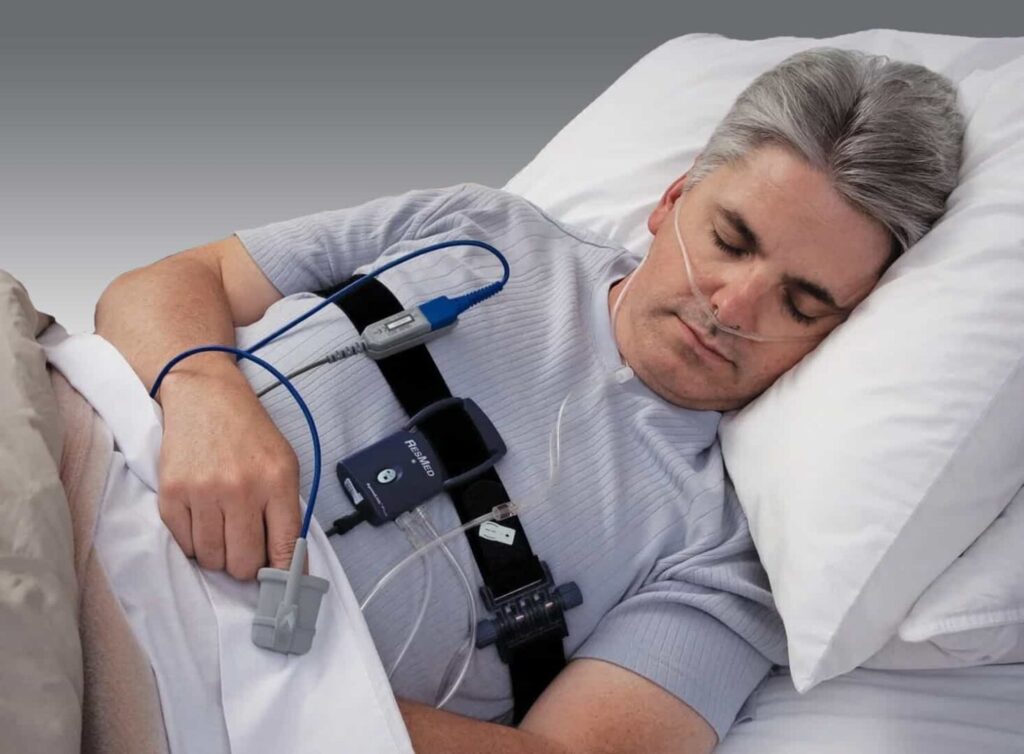
Ask who orders the sleep study, who interprets the results, and how those findings will be communicated to you.
Some patients complete an overnight study in a sleep center. Others may qualify for a home sleep apnea test. Home testing can be more convenient, but it is not the right choice for every patient. The American Academy of Sleep Medicine recommends in-laboratory polysomnography rather than home testing for patients with certain complex medical conditions, including significant cardiorespiratory disease, suspected hypoventilation, chronic opioid use, a history of stroke, or severe insomnia.
Your testing method should be selected based on your health history, not simply convenience.
Coordination Between Medical and Dental Providers
Sleep apnea care often works best when medical and dental professionals communicate.
A physician may diagnose the condition and recommend treatment such as positive airway pressure therapy, lifestyle changes, surgery, or an oral appliance. When oral appliance therapy is selected, a qualified dentist can create, fit, adjust, and monitor the custom device. The American Academy of Dental Sleep Medicine explains that the patient’s doctor writes the prescription and refers the patient to a qualified dentist for the appliance and ongoing follow-up.
Amanda Family Dental’s website does not currently list custom sleep apnea oral appliances as a specific service. The practice does provide screening, testing guidance, airway measurements, and myofunctional support, helping patients identify concerns and understand whether coordinated care may be needed.
Clear Explanations Without Exaggerated Promises
Be cautious of anyone who guarantees that one product will cure every case of sleep apnea. Treatment depends on the type and severity of the condition, individual anatomy, health history, personal preferences, and response to therapy.
A good provider should explain what the testing shows, what each treatment is designed to accomplish, and how treatment success will be monitored. Follow-up matters because symptoms alone do not always confirm that sleep apnea is fully controlled.
How Airway Measurement Technology Can Help
An airway evaluation can provide useful information about the shape and dimensions of the passages involved in breathing.
Amanda Family Dental uses a pharyngometer as part of its airway-focused evaluation process. This noninvasive technology measures the size and shape of the oral and pharyngeal airway and may identify areas of narrowing that deserve further attention. The practice also uses a laryngometer to gather additional measurements related to the airway and surrounding structures.
These measurements do not independently diagnose sleep apnea. Instead, they add context when combined with symptoms, clinical findings, medical history, and sleep testing.
This is an important sign of responsible care. Technology should support clinical judgment and coordinated diagnosis rather than replace it.
Where Myofunctional Therapy Fits Into Care
Myofunctional therapy uses gentle, repeated exercises to train the tongue, lips, facial muscles, and oral structures to function more effectively. The therapy may support healthier tongue posture, swallowing, breathing patterns, speech, and sleep quality.
At Amanda Family Dental, myofunctional therapy is part of a broader approach that considers the relationship between oral function, airway health, development, and overall wellness. The team also screens for tongue restrictions that may affect movement and function, particularly in children.
Myofunctional therapy should not be presented as a replacement for a formal sleep apnea diagnosis or prescribed medical treatment. It may instead serve as one part of a coordinated plan, depending on the patient’s findings and recommendations from the care team.
Questions to Ask Before Scheduling
Before choosing a sleep apnea doctor or airway-focused dental office, ask practical questions about the process:
Who will evaluate my symptoms? Will I need a home or in-lab sleep study? Who will interpret the results? Does the office coordinate with sleep physicians or other specialists? What happens if the screening suggests a concern? How will treatment effectiveness be monitored?
These questions help you distinguish between a comprehensive care process and an office that is primarily trying to sell a single treatment.
You should also ask about insurance, testing costs, consultations, follow-up visits, and any equipment that may be recommended. Understanding the complete process makes it easier to plan your care without unexpected confusion.
Begin With a Sleep and Airway Screening in Amanda, Ohio
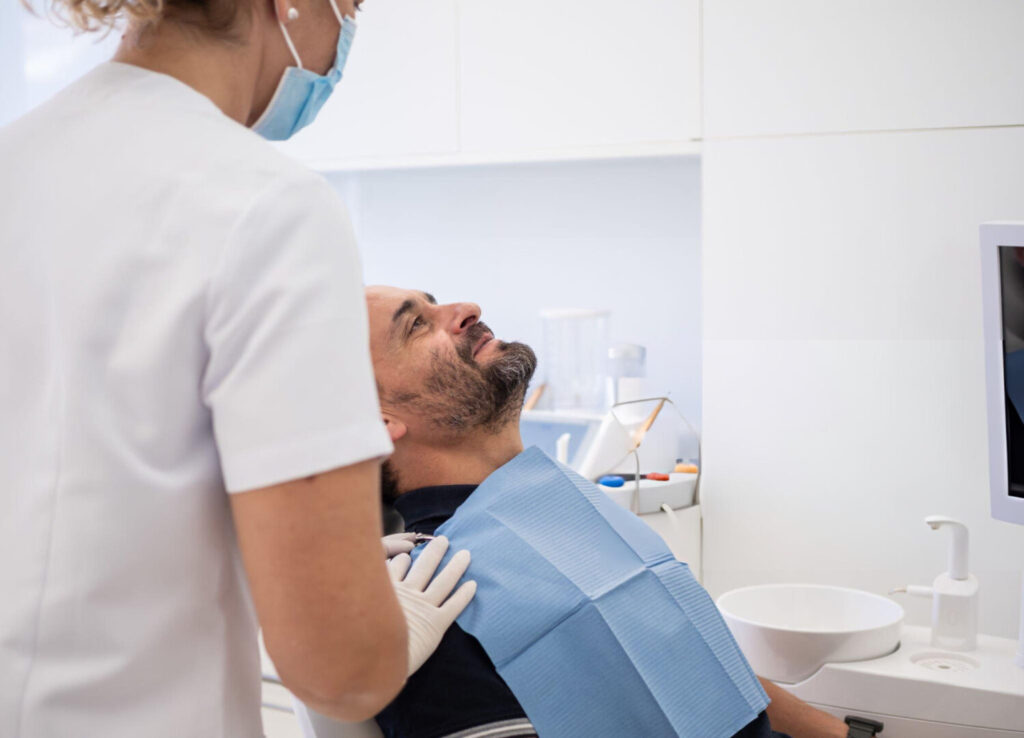
Finding the right sleep apnea doctor near you does not always mean starting with one particular specialty. The most important step is choosing a provider who listens carefully, screens responsibly, uses appropriate testing, and works with other professionals when necessary.
Led by Dr. Alyssa Jenkins, Amanda Family Dental takes a comprehensive view of dentistry that considers airway function, prevention, oral health, and whole-body wellness. Dr. Jenkins is a graduate of The Ohio State University College of Dentistry and has completed advanced education through The Dawson Academy, with an emphasis on comprehensive care and long-term function.
Our office provides sleep and airway screening, home sleep study guidance, OSA screening, pharyngometer and laryngometer evaluations, and myofunctional therapy. We welcome patients from Amanda, Lancaster, Circleville, Stoutsville, Ashville, Carroll, Lithopolis, Sugar Grove, Logan Elm Village, and nearby Ohio communities.
If you regularly snore, wake up with a dry mouth or headache, struggle with daytime fatigue, or have been told that your breathing pauses during sleep, contact Amanda Family Dental at 740-969-1198. A personalized screening can help you better understand what may be happening and determine the appropriate next step toward healthier sleep.
Amanda Family Dental
https://maps.app.goo.gl/kDoSWq497FbknuUw6
(740) 969-1198
145 W Main St, Amanda, OH 43102, United States
https://amandafamilydental.com/