
A lot of people ask the same question at the bathroom sink. They brush, pick up the mouthwash, and pause. Should mouthwash come before or after brushing?
It’s a fair question, because the right answer depends on what the routine is supposed to do. Someone trying to protect enamel may need a different order than someone focused on gum irritation, braces, or fresh breath before work. Families across Amanda, Lancaster, Circleville, and Carroll, Ohio often want one simple rule, but oral care works better when the goal is clear.
The safest default is this: use mouthwash before brushing, or use it at a separate time of day instead of right after brushing. That approach helps preserve the fluoride from toothpaste on the teeth. In some cases, though, using a therapeutic mouthwash after brushing can still make sense, especially when gum health is the main concern.
Table of Contents
- The Daily Dental Debate in Your Amanda Home
- The Scientific Case for Mouthwash Before Brushing
- When Rinsing After Brushing Is the Right Choice
- Special Guidance for Your Family's Smiles
- The Long-Term Benefits of a Correct Oral Hygiene Routine
- Get Personalized Dental Advice in Amanda, Ohio
The Daily Dental Debate in Your Amanda Home
Most homes have some version of the same routine. A parent is helping a child brush before school. A teenager is hurrying out the door. Someone else is trying to freshen up before bed. The toothbrush, toothpaste, and rinse are all on the counter, but the order often feels like guesswork.
That confusion makes sense because mouthwash does more than one job. Some rinses are aimed at breath, some at plaque control, and some are part of a gum-care routine. Toothpaste has its own job too, especially when it contains fluoride. Once those goals get mixed together, people start wondering whether they’re helping their smile or undoing part of the benefit.
In homes across Amanda, Lancaster, Circleville, and Carroll, this question comes up for every age group. Parents wonder what’s best for young brushers. Adults with crowns, whitening, or sensitive teeth want to protect the dental work they’ve invested in. Patients who are serious about prevention often discover that the answer isn’t just “always before” or “always after.”
Practical rule: If the main goal is cavity prevention and enamel protection, the routine should protect the toothpaste’s fluoride, not wash it away.
That’s why the order matters more than many people realize. A simple switch can make the routine work better without adding more products, more steps, or more time.
For people who want to build a stronger at-home routine alongside regular cleanings and routine dental care, this is one of the easiest places to start.
The Scientific Case for Mouthwash Before Brushing
The strongest everyday case for mouthwash before or after brushing usually lands on before. The reason is simple. Toothpaste, especially fluoride toothpaste, leaves behind a protective layer that should stay on the teeth instead of being rinsed away right away.
Why fluoride contact time matters
The UK’s National Health Service advises against rinsing with water or mouthwash immediately after brushing because it dilutes and removes the fluoride left on the teeth. That matters because an optimal routine that maximizes fluoride contact time can reduce tooth decay by up to 25% according to the evidence summarized here in this NHS-based review of mouthwash timing and fluoride retention.
Fluoride needs time on the teeth to do its work. The same review notes that common toothpaste formulas often contain 1400 ppm fluoride, and leaving fluoride in place for at least 15 minutes after brushing supports enamel resistance to cavities.
For a patient deciding between mouthwash before or after brushing, that changes the default answer. If a rinse goes in right after toothpaste, the routine may freshen breath but also weaken the cavity-prevention benefit of brushing.
The order that protects fluoride usually makes more sense than the order that simply feels cleaner.
What a pre-brushing rinse actually does
A rinse used before brushing can help loosen debris, disturb biofilm, and reduce bacteria before the toothbrush starts scrubbing. Then the toothbrush and toothpaste can do the heavy work on a cleaner surface.
A clinical study cited in this discussion of pre-brushing mouthwash and enamel protection found that using a rinse before brushing significantly reduced enamel surface loss compared with other sequences. That’s why many dentists favor a pre-brushing rinse when the priority is enamel preservation.
A practical version of the routine looks like this:
- First step: Use mouthwash before brushing if breath freshening or bacterial reduction is part of the routine.
- Next: Brush with fluoride toothpaste.
- Last: Spit out the toothpaste, but don’t rinse right away.
That sequence is especially useful at night, when saliva drops and teeth are more vulnerable. For people with enamel wear, sensitivity, or a high cavity risk, the order can matter more than the brand.
A quick visual explanation can help make the sequence easier to remember.
When Rinsing After Brushing Is the Right Choice
The answer isn’t always “before.” Some patients do better with mouthwash after brushing, but only when the goal shifts from enamel protection to targeted gum care or cleaning around places the toothbrush misses.
Who may benefit from a later rinse
Patients dealing with plaque buildup along the gumline, gingivitis, braces, implants, or other appliances sometimes need a therapeutic rinse to reach areas brushing doesn’t fully cover. In those cases, a mouthwash used after brushing may support soft tissue health.
A 6-month clinical trial with 160 subjects, divided into four age groups of 40 per group, found that groups using an essential oil mouthrinse or 0.2% chlorhexidine rinse 30 minutes after brushing had statistically significant reductions in plaque and gingival inflammation compared with groups that only brushed or brushed and flossed, as summarized in this clinical review on mouthrinse use after brushing.
That’s the key trade-off. Post-brushing mouthwash can help gums, but timing still matters. If it’s used immediately after toothpaste, it can reduce fluoride retention.
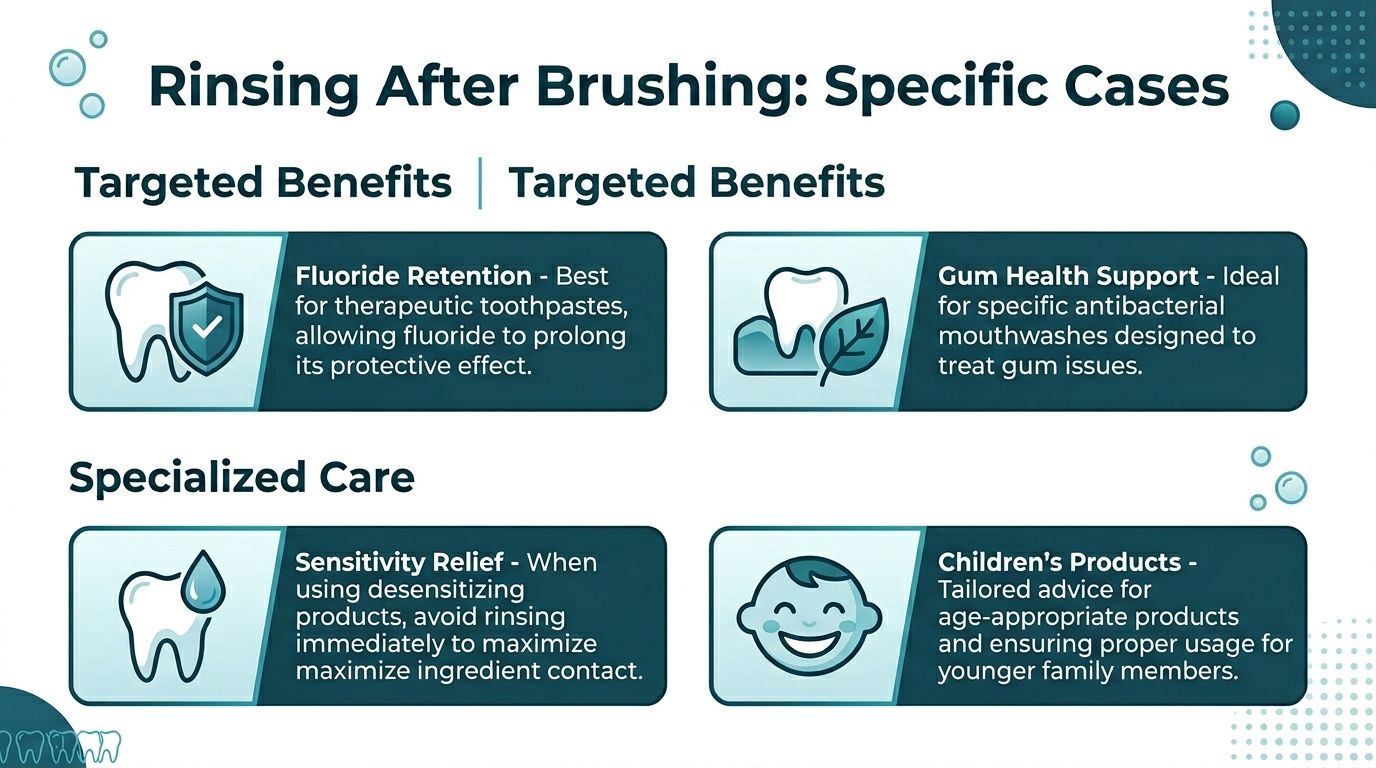
Clinical takeaway: If mouthwash is part of a gum-health plan, waiting after brushing is usually smarter than rinsing immediately.
This is often the best fit for:
- Patients with gingivitis: Antibacterial rinses may help reduce plaque and support inflamed gums.
- People with braces or fixed appliances: Rinse can reach around hardware and difficult edges.
- Adults with breath concerns during the day: A later rinse, separate from brushing time, may be more useful than washing away toothpaste right after brushing.
Mouthwash Timing Quick Guide Before vs After Brushing
| Goal | Use Mouthwash BEFORE Brushing | Use Mouthwash AFTER Brushing (wait 30 mins) |
|---|---|---|
| Cavity prevention | Best choice when protecting fluoride from toothpaste is the priority | Usually not ideal if used immediately after brushing |
| Enamel protection | Helpful when the goal is preserving the toothpaste layer on teeth | Less favorable if it washes away fluoride too soon |
| Gum health support | Can still be useful, but not usually the main reason to choose this order | Good option for therapeutic rinses aimed at plaque and gingivitis |
| Braces or appliances | Helps loosen debris before brushing | Useful for reaching around brackets, wires, and hard-to-clean areas |
| Fresh breath | Works well if followed by brushing | Works well later in the routine or at another time of day |
A lot of people do best with a split routine instead of forcing one answer all day long. For example, they may use mouthwash before brushing in the morning and use a therapeutic rinse later, well after brushing, if gum care is the main concern.
That kind of personalized routine is usually more effective than copying a generic tip from a product label.
Special Guidance for Your Family's Smiles
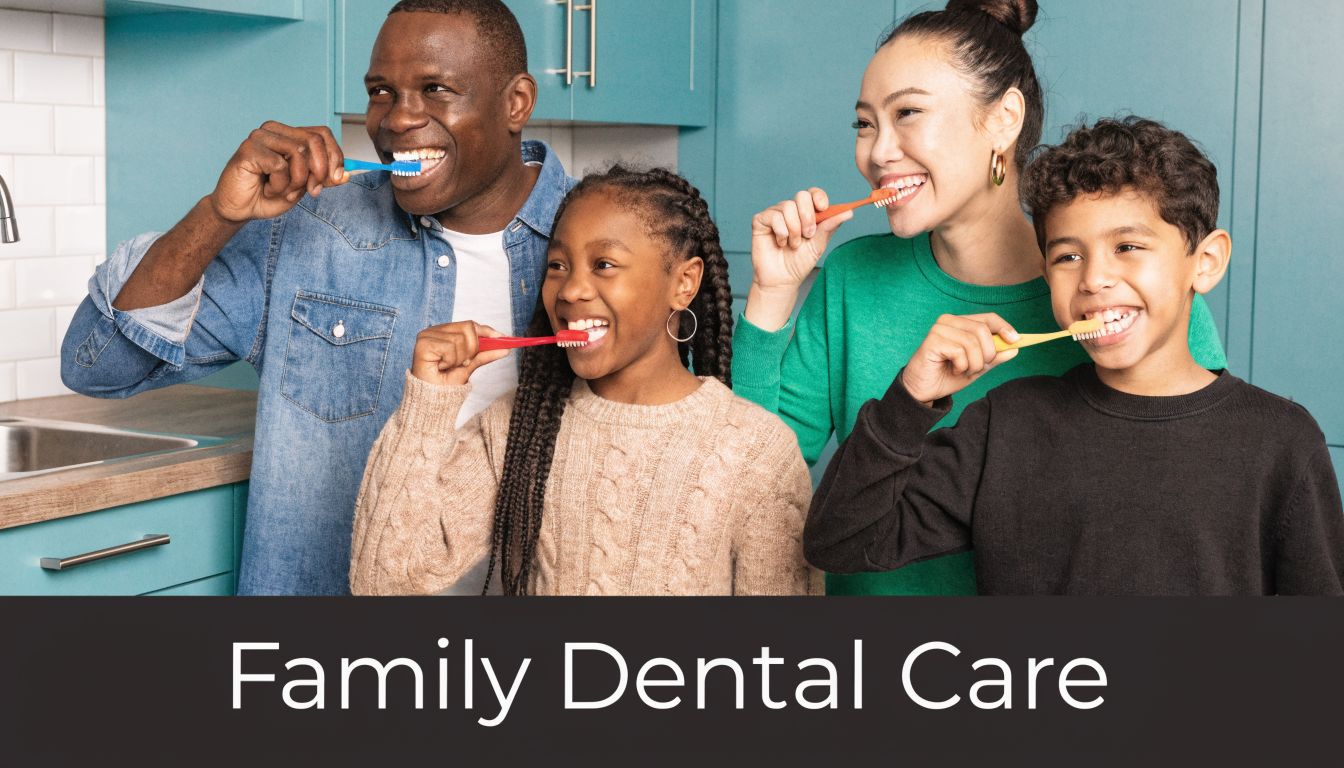
A family routine needs more nuance than a one-size-fits-all answer. Children, cosmetic patients, and people with restorative work don’t all need the same mouthwash timing.
Children and developing teeth
Kids are often left out of the mouthwash before or after brushing conversation, even though fluoride retention matters a lot for developing teeth. Guidance summarized in this family-focused article on mouthwash timing for children notes that a pre-brushing rinse may help loosen debris for children who resist brushing, but preserving the fluoride layer after brushing is the more important priority for protecting primary teeth from decay.
That means parents should think about the child’s actual brushing habits, not just the product order.
A practical approach for families in Lancaster, Amanda, Circleville, and Carroll often looks like this:
- Child who rushes brushing: A pre-brushing rinse may make brushing easier.
- Child with frequent cavity concerns: Keep the focus on fluoride from toothpaste staying on the teeth after brushing.
- Child who struggles to use mouthwash properly: Ask a dentist whether mouthwash should be used at all, and which type is age-appropriate.
Children also need supervision. Mouthwash isn’t automatically a good fit for every child, especially if there are concerns about proper use.
Cosmetic dental patients
People searching for a cosmetic dentist near me are usually thinking about veneers, professional whitening, or keeping a smile bright and even. In these cases, routine choices matter because cosmetic dentistry looks its best when the surrounding teeth and gums stay healthy.
For cosmetic patients, the main goal is usually consistency and gentleness. A routine that protects enamel and avoids unnecessary irritation makes more sense than aggressive rinsing just because it feels minty and clean.
This group often benefits from a simple pattern:
- Use mouthwash before brushing if a rinse is part of the routine.
- Brush carefully with the toothpaste recommended for that smile goal.
- Avoid washing the toothpaste away immediately.
That doesn’t replace regular exams, whitening maintenance, or personalized advice. It just helps the daily routine support the cosmetic work instead of competing with it.
Crowns implants and other restorative work
Patients looking for dental implants near me or trying to protect crowns, bridges, and fillings often need special attention around margins and hard-to-clean surfaces. Plaque can collect around these areas more easily than people expect.
A later therapeutic rinse may help some restorative patients, especially if they have gum irritation or struggle to clean around implant restorations and bridgework. But the product and timing should match the situation.
Restorative dentistry lasts longer when the home-care routine protects both the teeth and the surrounding gums.
That’s why broad internet advice isn’t always enough for this group. Some patients need a pre-brushing rinse to support enamel protection around natural teeth. Others need a delayed therapeutic rinse because gum inflammation around dental work is the larger issue.
Anyone managing bleeding gums, tenderness around crowns, or trouble cleaning around implants should also review practical tips for maintaining healthy gums and preventing gum disease, then get specific guidance for their mouth rather than guessing.
The Long-Term Benefits of a Correct Oral Hygiene Routine
A good routine doesn’t need to be complicated. It needs to be consistent and built around the right goal.
Small habit changes with real payoff
When fluoride stays on the teeth long enough to work, the mouth has a better chance to resist daily acid attacks and early cavity formation. That’s why the NHS guidance against rinsing immediately after brushing matters so much. As noted earlier in the article, that sequence is tied to up to 25% less tooth decay in the evidence summary already cited.
For patients, the long-term benefits are easy to understand even without technical terms:
- Fewer preventable problems: Better routines can lower the chance of decay getting started.
- Less interruption to daily life: Avoiding small problems often means avoiding fillings, discomfort, and urgent visits later.
- A stronger-looking smile: Healthier enamel and healthier gums support a cleaner, brighter appearance.
Why prevention matters beyond your teeth
Oral hygiene routines also shape how comfortable the mouth feels day to day. Teeth that stay cleaner are often less sensitive to hot, cold, and sweets. Gums that stay calmer are easier to brush and floss without irritation.
That creates a cycle people can stick with. The routine feels better, so they do it more consistently. Consistency is what keeps preventive care working.
A better brushing sequence won’t fix every dental problem, but it can stop many small ones from becoming larger and more expensive.
For families trying to think ahead, prevention is also part of whole-body wellness. Oral inflammation, untreated decay, and neglected hygiene don’t stay isolated very well. A stronger home-care routine supports the same goals discussed in this article on the link between oral health and overall wellness.
Get Personalized Dental Advice in Amanda, Ohio
General rules help, but the best answer to mouthwash before or after brushing still depends on the person using it. A child with developing teeth, an adult with gingivitis, someone with veneers, and a patient with implants may all need slightly different instructions.
What patients can expect
The most helpful dental advice usually starts with a close look at what’s happening in the mouth now. A personalized visit can help identify whether the bigger issue is cavity risk, enamel wear, gum inflammation, crowding, dry mouth, sensitivity, or trouble cleaning around existing dental work.
That kind of visit should be practical, not complicated. Patients deserve clear guidance on:
- Daily home care: Which products make sense and which ones don’t.
- Preventive needs: Whether cleaning and exams are enough or if gum therapy is needed.
- Restorative concerns: How to care for crowns, fillings, dentures, or implants.
- Cosmetic goals: How to protect whitening, veneers, or aligner results at home.
People searching for a dentist near me, dentist in Amanda, OH, dentist in Lancaster, OH, dentist in Circleville, OH, or dentist in Carroll, OH are often looking for exactly that kind of practical help. They don’t just want theory. They want a plan that fits their health, schedule, and budget.
When to ask for one-on-one guidance
It’s time to get personalized advice if any of these sound familiar:
- Bleeding gums: Mouthwash alone won’t solve the underlying cause.
- Frequent cavities: Fluoride timing may need to change.
- Sensitive teeth: The order of products may be making irritation worse.
- Braces, crowns, or implants: Cleaning around dental work often needs more specific instruction.
- Bad breath that keeps returning: Freshening rinses may be masking a deeper issue.
Patients dealing with pain, swelling, or a broken tooth shouldn’t rely on a rinse routine at all. That’s when an emergency dentist visit matters more than any product order. The same applies when someone may need a tooth extraction, restorative treatment, or a closer evaluation after new symptoms appear.
Amanda Family Dental provides personalized, community-focused care for patients in Amanda, Lancaster, Circleville, and Carroll, Ohio. Whether someone needs preventive dental care, new patient exams, digital x-rays, cosmetic dentistry, restorative treatment, dental implants, or emergency dental services, the team can help build a routine that is suitable. To get clear answers about mouthwash timing and a plan designed for your smile, schedule an appointment with Amanda Family Dental.