

Emergency Root Canal Near Me: Signs You Need Urgent Care
Tooth pain has a way of taking over your entire day. A mild ache can quickly become a deep throbbing sensation that makes it difficult to eat, sleep, concentrate, or think about anything else. When the pain becomes severe, many people immediately search for an “emergency root canal near me” because they are worried that an infection has reached the inside of the tooth.
Some symptoms do require prompt dental attention. However, not every toothache needs a root canal, and not every dental problem belongs in a hospital emergency room. The first priority is determining what is causing the pain and how quickly it needs to be treated.
At Amanda Family Dental, we provide root canal treatment, digital X-rays, dental crowns, extractions, and restorative care for patients in Amanda, Ohio, and surrounding communities. Our team evaluates the tooth carefully, explains the findings, and recommends the most appropriate way to relieve discomfort and protect your oral health.
What Makes a Root Canal Urgent?
Root canal therapy becomes urgent when the soft tissue inside a tooth, called the pulp, is severely inflamed or infected and the symptoms are worsening. The pulp contains nerves, blood vessels, and connective tissue. Deep decay, a crack, an injury, or previous dental work can allow bacteria to reach this sensitive area.
During root canal treatment, the damaged pulp is removed. The inside of the tooth is cleaned, disinfected, shaped, filled, and sealed. The purpose is to eliminate the source of infection, relieve dental pain, and preserve the natural tooth whenever possible.
The word “emergency” does not necessarily mean that the complete procedure must be performed within minutes. It means that the tooth needs timely professional evaluation. Depending on the diagnosis, the dentist may begin root canal treatment, drain an infection, stabilize the tooth, prescribe medication when medically appropriate, or arrange another stage of care.
Signs You May Need an Emergency Root Canal
Tooth pain can come from cavities, cracks, gum problems, grinding, damaged fillings, sinus pressure, or several other conditions. An examination is needed to determine whether the pulp is involved.
Symptoms that should prompt an urgent call to a dentist include:
- Severe, persistent, or throbbing tooth pain
- Pain that wakes you from sleep
- Lingering sensitivity after eating or drinking something hot or cold
- Sharp pain when biting or chewing
- Swelling or tenderness around a tooth
- A pimple-like bump on the gum
- A darkening or discolored tooth
- A chipped or cracked tooth accompanied by pain
- A foul taste or drainage near the tooth
Amanda Family Dental identifies ongoing pain, throbbing, lingering temperature sensitivity, tenderness during chewing, gum swelling, and tooth darkening as signs that should not be ignored. The American Association of Endodontists also lists severe biting pain, swollen gums, cracks, and pimple-like gum lesions among possible signs that root canal treatment may be needed.
Severe or Worsening Tooth Pain
Pain intensity alone does not prove that you need a root canal, but severe or worsening pain deserves prompt attention. An inflamed tooth nerve can cause spontaneous pain even when you are not eating or touching the tooth. The discomfort may also feel worse at night or when you lie down.
Some patients delay calling because the pain temporarily improves. That can be misleading. If the pulp inside the tooth loses its ability to respond, the pain may fade even though infection remains around the root.
Do not assume that a suddenly painless tooth has healed, particularly if you previously experienced intense pain, swelling, discoloration, or sensitivity. A dental examination and X-ray can help determine what is happening beneath the surface.
Swelling Around the Tooth, Jaw, or Face
Swelling is one of the most important warning signs because it may indicate that infection has moved beyond the inside of the tooth.
A small, tender area on the gum may represent a localized abscess. You might also notice a bad taste if fluid drains from the area. More extensive infections can cause swelling in the cheek, jaw, face, or neck.
An abscess can develop when infected or dead pulp goes untreated. Root canal treatment may be used to remove bacteria and clean and seal the internal spaces of the tooth. The tooth is then typically protected with a crown or another restoration once the condition is stable.
Contact a dentist promptly when swelling appears, even if the pain is manageable. Dental infections do not become safe simply because they drain or temporarily feel better.
When to Go to a Hospital Emergency Department
Most toothaches are best evaluated by a dentist because a hospital emergency department generally cannot provide definitive root canal treatment. However, certain symptoms suggest that an infection may be affecting the airway or spreading beyond the immediate dental area.
Go to a hospital emergency department immediately if you experience:
- Difficulty breathing
- Difficulty swallowing
- Rapidly increasing facial or neck swelling
- Significant swelling accompanied by fever
- Swelling that is affecting the tongue, throat, or ability to open your mouth
Mayo Clinic advises seeking emergency hospital care when a toothache is accompanied by trouble breathing or swallowing. Fever, red gums, swelling, pain while biting, or foul-tasting drainage also warrant prompt professional attention.
Do not wait for a dental office to reopen when breathing or swallowing is becoming difficult. These symptoms require immediate medical evaluation.

What Happens During an Urgent Dental Examination?
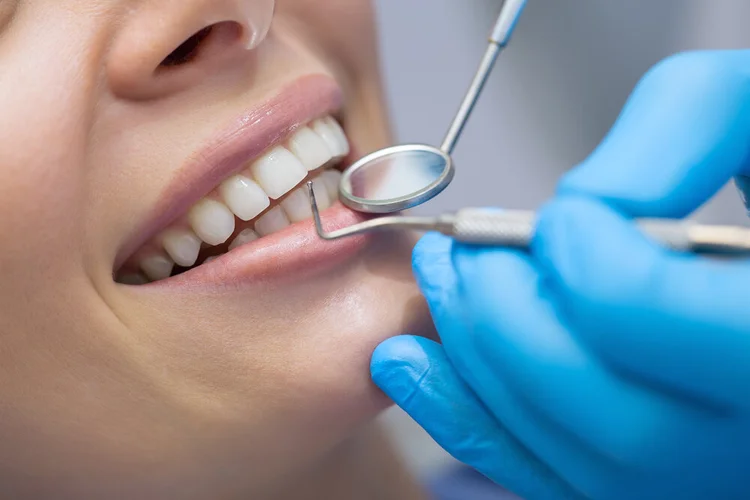
An emergency appointment begins with diagnosis rather than an automatic root canal.
The dentist will ask when the pain started, what triggers it, whether temperature sensitivity lingers, and whether you have noticed swelling, drainage, fever, or an injury. The tooth and surrounding tissues are then examined. The dentist may gently test the tooth’s response to pressure, tapping, temperature, or biting.
Digital X-rays can reveal deep decay, changes near the root, previous dental work, bone loss, and other concerns that cannot be fully evaluated by looking at the tooth alone. Amanda Family Dental uses digital X-rays to support faster, clearer diagnosis and treatment planning. The images can also be reviewed with patients so they can better understand what the dental team sees.
The evaluation may show that the tooth needs a root canal, but another treatment may be more appropriate. A filling may be sufficient for decay that has not reached the pulp. A cracked restoration may need replacement. A tooth that cannot be predictably saved may require extraction.
Will the Root Canal Be Completed Immediately?
Whether treatment can begin or be completed during the urgent visit depends on the diagnosis, the tooth involved, the extent of infection, scheduling, and the complexity of the root anatomy.
Some teeth can be treated in one appointment. Others require multiple visits. The dentist may first create an opening in the tooth, remove inflamed tissue, relieve pressure, clean the canals, or place temporary medication. A permanent filling or crown may be completed later.
Complex cases may require referral to an endodontist, a dentist with advanced training in treating the pulp and root canals. A referral does not necessarily mean that the condition is more dangerous. It may simply mean that the tooth has narrow, curved, previously treated, or unusually complicated canals.
Are Antibiotics Enough to Treat an Infected Tooth?
Antibiotics are not a substitute for removing the source of most infections inside a tooth.
The American Dental Association recommends prioritizing definitive dental treatment, such as root canal therapy or drainage, for most pulpal and localized root-related infections in otherwise healthy adults. Antibiotics may be indicated when there is systemic involvement, such as fever or malaise, or when the dentist determines that the infection has spread beyond the local area.
Taking leftover antibiotics or someone else’s medication can delay proper care and may contribute to antibiotic resistance. Even when antibiotics are prescribed, the tooth usually still needs dental treatment.
What Can You Do Until Your Appointment?
Home care may temporarily reduce discomfort, but it cannot repair an infected or severely inflamed tooth.
Rinse gently with warm water and carefully floss around the area in case trapped food is adding pressure. A cold compress can be applied to the outside of the cheek when swelling or an injury is present.
Over-the-counter pain medication may be appropriate for some patients, but medical conditions, pregnancy, allergies, and other medications can affect what is safe. Follow package directions and ask a healthcare professional when you are uncertain.
Do not place aspirin directly on the tooth or gum. It can burn the tissue. Mayo Clinic also recommends caution with products containing benzocaine because of a rare but serious blood-related complication.
Avoid chewing on the affected side, and do not use heat against visible facial swelling unless a healthcare professional instructs you to do so.

Protecting the Tooth After Root Canal Treatment
Once the inside of the tooth has been treated, the remaining structure may still need reinforcement.
Teeth requiring root canals are often weakened by decay, cracks, large fillings, or the opening created to access the canals. A custom dental crown may be recommended to protect the tooth and restore comfortable biting and chewing.
Amanda Family Dental provides crowns for teeth weakened by damage or root canal treatment. Each crown is designed to fit the tooth and bite while blending with the surrounding smile.
Completing the final restoration is an important part of treatment. Delaying a recommended crown can leave the tooth vulnerable to fracture.
Urgent Root Canal Care Near Amanda, Ohio
When tooth pain becomes intense, the goal is not simply to find the closest office. You need a dentist who can identify the cause, explain whether the tooth can be preserved, and recommend the correct level of care.
Led by Dr. Alyssa Jenkins, Amanda Family Dental emphasizes patient comfort, clear communication, and comprehensive treatment planning. Dr. Jenkins graduated from The Ohio State University College of Dentistry and completed advanced education through The Dawson Academy, with a focus on function and lasting oral health.
Amanda Family Dental serves patients from Amanda, Lancaster, Circleville, Stoutsville, Ashville, Carroll, Lithopolis, Sugar Grove, Logan Elm Village, and nearby Ohio communities. The office provides root canals, digital X-rays, crowns, extractions, and other restorative services.
If you have severe tooth pain, lingering sensitivity, swelling, or pain when biting, call 740-969-1198 during business hours for the fastest response. The office is located at 145 W. Main Street in Amanda, Ohio. If you are having difficulty breathing or swallowing, go directly to a hospital emergency department.
Amanda Family Dental
https://maps.app.goo.gl/kDoSWq497FbknuUw6
(740) 969-1198
145 W Main St, Amanda, OH 43102, United States
https://amandafamilydental.com/