


Your Child’s Dental Health Matters: Finding the Best Pediatric Dentist Near Me
You want the best for your child as they grow. Their health and happiness are always on your mind. A big part of that overall well-being is their dental health. Taking care of small teeth early on sets the foundation for a lifetime of healthy habits.
Early dental care helps prevent discomfort and keeps little smiles bright. It also teaches your child that visiting the dentist is a normal, safe part of life. When you start these habits early, you help them avoid more complex dental issues later on.
Finding the best pediatric dentist near me can sometimes feel overwhelming. You want a place that feels like part of your community. At Amanda Family Dental, we focus on making those early visits comfortable. We are here to support you and your family as you navigate your child’s dental care journey.
What is a Pediatric Dentist and Why Choose One?
Taking care of growing teeth requires a specific set of skills. Pediatric dentists complete advanced training after dental school. This extra education focuses entirely on treating infants, children, and teenagers. They learn how to care for growing jaws and how to help kids with special healthcare needs.
Children are not just small adults. They have unique dental needs and behaviors. A pediatric dentist understands how to communicate with children. They know how to explain procedures in a way that makes sense to a child.
Choosing a pediatric dentist over a general dentist gives your child a more tailored experience. You get an environment designed specifically to help children feel at ease. The equipment is smaller, the approach is softer, and the staff is trained to handle early childhood anxiety gently.

When Should You Schedule Your Child’s First Dental Visit?
Timing matters when it comes to preventative care. The American Academy of Pediatric Dentistry recommends scheduling your child’s first dental visit when their first tooth appears, or no later than their first birthday. While this might seem early, this proactive approach allows dentists to catch potential issues before they develop into serious problems.
What to Expect During the Initial Visit
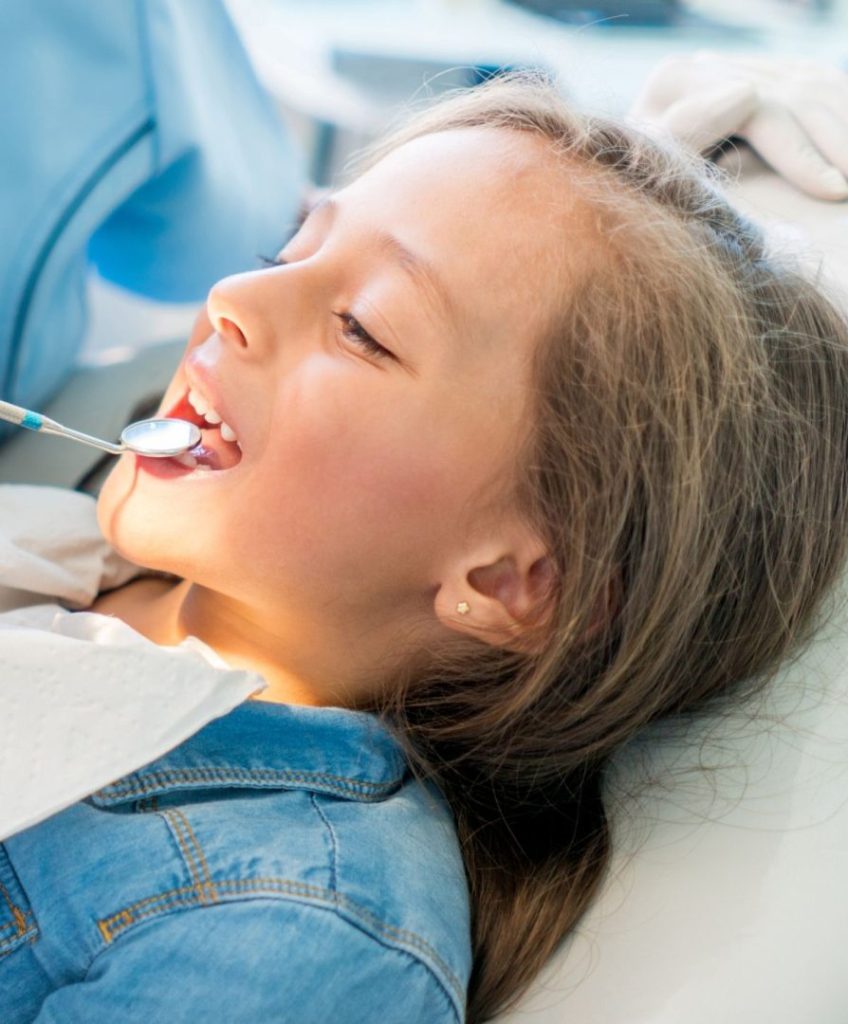
The first visit primarily focuses on introduction and education. You will likely sit in the dental chair while holding your child on your lap. The dentist will perform a gentle examination of your child’s teeth, jaw, bite, gums, and oral tissues to monitor growth and development.
They will also discuss your child’s diet, thumb-sucking habits, and teething patterns. This visit gives you the perfect opportunity to ask questions about proper brushing techniques and pacifier use.
Tips for a Positive First Experience
To make the first visit a success, schedule the appointment during a time when your child is well-rested and cooperative. Morning appointments often work best for toddlers. Speak positively about the dentist at home, avoiding words like “pain” or “shot.” Keep your own dental anxieties in check, as children easily pick up on their parents’ emotions. Treat the visit as an exciting new experience rather than a medical obligation.
How to Find the Best Pediatric Dentist Near Me
Finding the right dental home for your child requires a bit of research. You want a provider who offers exceptional clinical care while making your child feel completely safe.
Start by checking qualifications. Ensure the dentist completed an accredited pediatric dentistry program. Look for board certification, which demonstrates a commitment to the highest standards of pediatric care. Next, read patient reviews. Feedback from other parents provides invaluable insight into the doctor’s bedside manner and how the office handles anxious children.
The Importance of a Child-Friendly Environment
Step inside a pediatric dental office, and you should immediately notice the difference. Bright colors, engaging toys, and friendly staff help dismantle a child’s fear. A welcoming environment distracts children from the clinical aspects of the visit, making them feel like they are playing rather than sitting for an exam.
The Amanda Family Dental Difference
Amanda Family Dental stands out by blending top-tier clinical expertise with a genuinely warm, family-centered approach. We build relationships with our young patients, earning their trust through patience and compassion. Our team takes the time to explain every tool we use, showing children that the dentist’s office is a safe, supportive place. We tailor our approach to each child’s unique personality, ensuring they leave our office with a sticker in hand and a smile on their face.
Preparing Your Child for a Dental Appointment
Even with the best dentist, children can still feel nervous about an upcoming appointment. Fear of the unknown is completely normal. As a parent, you play a vital role in setting the tone for their visit.
Easing Dental Anxiety
Begin by role-playing at home. Pretend you are the dentist and use a toothbrush to count your child’s teeth. Then, switch roles and let them count yours. This simple game demystifies the process and shows them exactly what to expect.
You can also find several excellent children’s books and television episodes dedicated to visiting the dentist. Reading these stories together helps normalize the experience.
The Parent’s Role During the Visit
During the appointment, let the dental team take the lead. Pediatric dental professionals know exactly how to guide children through the appointment using positive reinforcement and distraction techniques. Stay close by to provide comfort, but allow the dentist to build a direct rapport with your child. Praise your child afterward for their bravery, reinforcing that taking care of their teeth is something to feel proud of.
Maintaining Your Child’s Oral Health at Home
Professional care only represents a small fraction of your child’s overall dental health. The real work happens at home. Establishing a consistent daily routine prevents cavities and instills lifelong habits.
Daily Oral Hygiene Tips
You should begin cleaning your baby’s gums with a soft, damp cloth even before the first tooth erupts. Once teeth appear, switch to a small, soft-bristled toothbrush. Use a smear of fluoride toothpaste the size of a grain of rice for children under three. For children aged three to six, use a pea-sized amount.
Brush your child’s teeth twice a day for two full minutes. Children usually lack the motor skills to brush effectively on their own until they can tie their own shoes, around age seven or eight. Until then, you need to supervise and assist them. As soon as two teeth touch, introduce flossing into their daily routine to remove plaque hiding between the teeth.
The Impact of a Balanced Diet
What your child eats directly affects their smile. Bacteria in the mouth feed on sugars and carbohydrates, producing acids that attack tooth enamel. Limit sticky candies, fruit snacks, and sugary juices. Instead, offer plenty of water, crunchy fruits, and vegetables. Dairy products like cheese and yogurt are excellent choices, as they contain calcium and phosphorus that help remineralize tooth enamel.
Making Oral Care Fun
Brushing does not have to be a battle. Let your child choose their own toothbrush featuring their favorite character. Buy toothpaste in a flavor they enjoy. Play a two-minute brushing song or use a colorful sand timer to keep them engaged. Reward systems, such as a sticker chart for successful brushing and flossing, can highly motivate younger children.
Common Pediatric Dental Issues and How to Address Them
Children face specific dental challenges as their mouths grow and develop. Knowing what to watch for helps you intervene quickly before a minor issue requires major treatment.
Cavities and Tooth Decay
Tooth decay remains the most common chronic childhood disease. It often begins as white spots on the teeth before developing into brown or black cavities. Early detection is crucial. If your child complains of tooth sensitivity or pain when eating sweet, hot, or cold foods, contact your dentist immediately.
Teething Pain
Teething causes significant discomfort for infants and toddlers. You might notice excessive drooling, irritability, and a strong urge to chew on objects. Gently massage their gums with a clean finger or offer a chilled teething ring. Avoid using topical pain relievers containing benzocaine, as these can be dangerous for infants under two years old.
Thumb-Sucking and Pacifier Use
Sucking is a natural reflex that provides comfort to babies. However, prolonged thumb-sucking or pacifier use beyond age three can alter the shape of the jaw and the alignment of permanent teeth. If your child struggles to break this habit, your pediatric dentist can offer gentle intervention strategies and positive reinforcement techniques to help them transition.
When to Seek Professional Help
Never ignore a dental complaint from your child. If you notice swollen gums, persistent bad breath, dark spots on teeth, or if your child sustains an injury to their mouth, schedule an appointment right away. Prompt professional help prevents complications and relieves your child’s discomfort.

The Role of Regular Dental Checkups in Preventing Issues
Preventative care serves as the cornerstone of pediatric dentistry. We recommend scheduling a comprehensive checkup every six months. These routine visits allow your dentist to monitor your child’s oral development closely and intervene at the earliest signs of trouble.
The Value of Routine Cleanings
Even with excellent brushing habits at home, plaque can harden into tartar, which only a dental professional can remove. Professional cleanings keep the gums healthy and the teeth thoroughly clean. During these visits, the dentist also evaluates your child’s bite and spacing, determining if early orthodontic intervention might be necessary in the future.
Fluoride Treatments and Sealants
During regular checkups, your dentist will likely recommend topical fluoride treatments. Fluoride strengthens the tooth enamel, making it more resistant to the acid attacks that cause cavities.
As your child’s permanent molars come in, usually around age six, the dentist might also recommend dental sealants. These thin, protective coatings are painted onto the chewing surfaces of the back teeth. They seal off the deep grooves where food and bacteria easily get trapped, providing an excellent defense against decay.
A Stress-Free Experience at Amanda Family Dental
At Amanda Family Dental, we believe that regular checkups should be easy and enjoyable. We move at your child’s pace, explaining every step of the cleaning process so there are no surprises. By making these routine visits a positive, stress-free part of their life, we help your child build a healthy relationship with dental care that will last well into adulthood.
Give Your Child the Gift of a Healthy Smile
Your child’s dental health is a vital component of their overall well-being. By prioritizing early dental care, you equip them with the tools they need to maintain a strong, beautiful smile for life. Establishing good oral hygiene habits at home, paired with professional guidance, protects them from painful decay and complex dental issues.
Do not wait for a problem to arise before seeking care. Proactive, preventative dentistry gives your child the best possible start. If you are looking for the best pediatric dentist near you, look no further than a team dedicated to treating your family like their own.
Give your child the gift of a healthy, confident smile. Schedule an appointment with Amanda Family Dental today, and let us partner with you to keep your child’s teeth strong and bright for years to come.
Amanda Family Dental
https://maps.app.goo.gl/kDoSWq497FbknuUw6
(740) 518-3697
145 W Main St, Amanda, OH 43102, United States
https://amandafamilydental.com/