

A patient in Amanda, OH, lies awake the night before a dental appointment, replaying the sound of the drill, the pressure of an injection, or the worry that a dentist might judge the condition of their teeth. By morning, the appointment may feel harder to face than the toothache that caused it. These dental anxiety symptoms are real, understandable, and treatable.
Patients searching for a dentist near me, an emergency dentist, a tooth extraction, dental implants near me, or a cosmetic dentist near me don't have to hide their fear. Amanda Family Dental serves families in Amanda, Lancaster, Circleville, and Carroll, Ohio, with patient-focused dental care that can begin with a conversation about comfort.
Table of Contents
- When the Appointment Feels Bigger Than the Tooth
- What Dental Anxiety Actually Means
- The Physical and Emotional Symptoms Most People Miss
- Why Avoidance Makes the Fear Stronger
- Practical Coping Strategies Before and During the Visit
- Comfort-Focused Options at Amanda Family Dental
- When Symptoms Deserve a Professional Conversation
When the Appointment Feels Bigger Than the Tooth
The clock moves slowly when a dental visit is approaching. A patient may check the appointment time repeatedly, imagine every possible sensation, or wake during the night with a racing heart. Even a routine cleaning and exam can feel threatening when the mind connects the dental office with pain, needles, embarrassment, or loss of control.
That reaction isn't a character flaw. Dental anxiety is a recognized stress response, and it can begin well before a patient sits in the dental chair. Someone may feel calm while choosing a dentist in Amanda, OH, then notice sweating or tightness in the chest as the appointment gets closer. Another patient may postpone a new patient exam for so long that a small concern becomes a painful emergency.
Practical rule: Patients don't need to wait until fear becomes severe before telling the dental team.
Naming the response often makes the first visit more manageable. “Needles make the heart race,” “the sound of the handpiece causes panic,” or “the patient needs a break before an X-ray” gives the dental team useful information without requiring a formal diagnosis. Patients who want more preparation can review this guide to overcoming fear of the dentist before contacting an office.
Amanda Family Dental offers a local starting point for patients in Amanda, Lancaster, Circleville, and Carroll, Ohio, who want care explained clearly and paced around their concerns. A first conversation can focus on the trigger, the desired level of control, and whether the patient needs preventive care, restorative dentistry, an emergency visit, or a consultation for dental implants or cosmetic dentistry.
The practical aim isn't to force fear away. It's to understand what the body and mind are communicating, then create a visit that feels predictable enough to begin.
What Dental Anxiety Actually Means
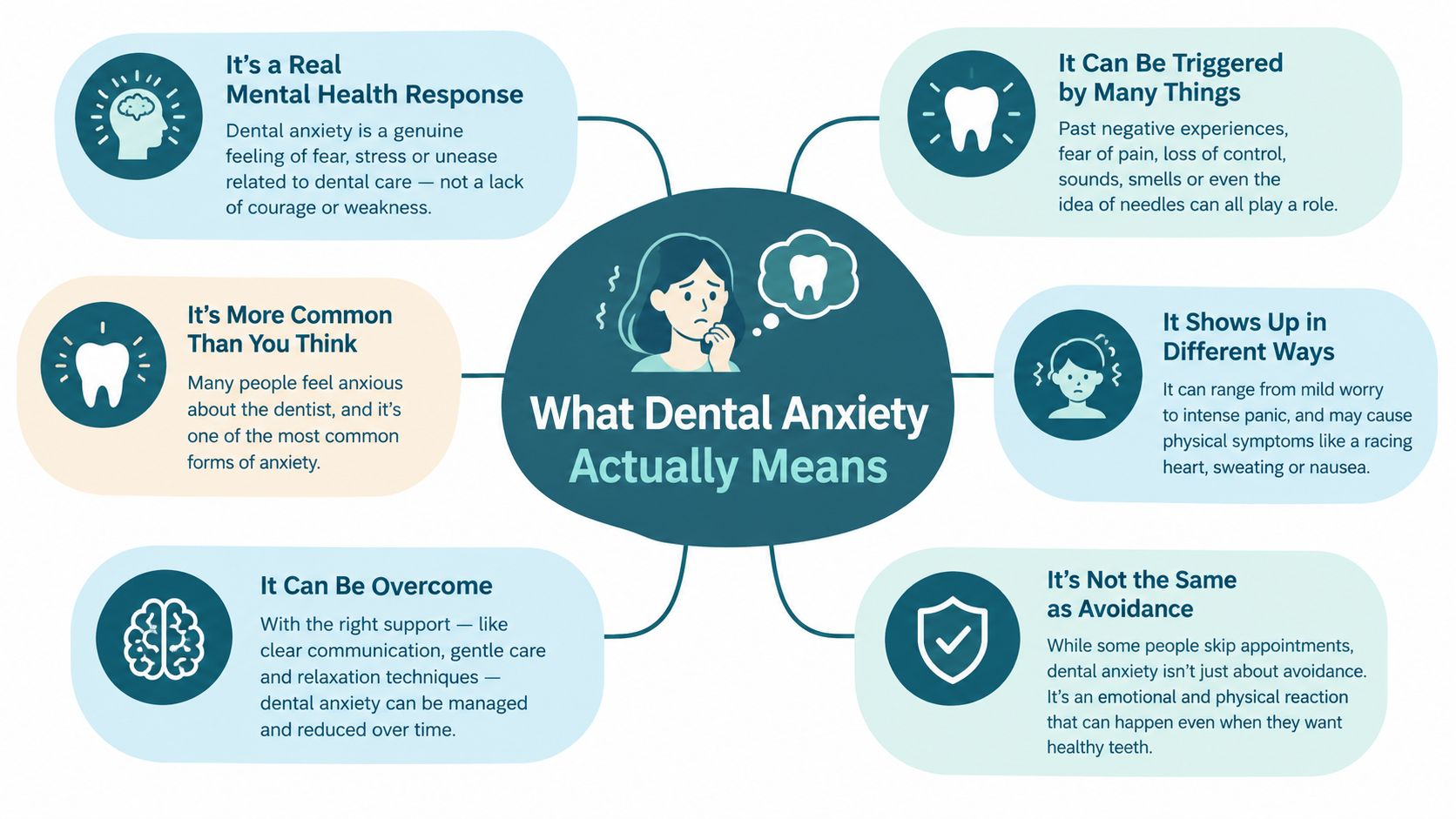
Dental anxiety is distress connected with dental care. It can involve worry before an appointment, physical tension during treatment, or avoidance that interferes with cleanings, X-rays, fillings, root canals, tooth extraction, or other needed services. The response exists on a spectrum. A patient may feel a temporary knot in the stomach before a cleaning, while another may experience persistent dread that changes appointment decisions and oral-health behavior.
A systematic review and meta-analysis covering 31 studies and more than 72,000 adults estimated that 15.3% of adults experience some form of dental fear or anxiety, while 12.4% experience high dental anxiety and 3.3% experience severe dental anxiety (systematic review and meta-analysis of adult dental fear). Estimates vary because researchers use different questionnaires, populations, and thresholds.
Nervousness and phobia are not identical
Ordinary situational nervousness may cause worry, muscle tension, or a desire for reassurance, but the patient can usually attend and participate with support. Dental phobia is more intense and persistent. Specific triggers, such as injections or dental procedures, may produce panic-like reactions, sweating, trembling, or an inability to tolerate dental discussion. Repeated cancellation or complete avoidance can signal that structured support is needed.
The distinction helps the dental team choose a proportionate response. A nervous patient may benefit from clear explanations, a hand signal, breaks, and distraction. A patient with severe fear may need a gradual care plan, validated anxiety screening, behavioral support, or clinically appropriate sedation.
Patients don't need to label themselves before asking for help. A useful description might be: “The patient feels anxious about the injection, starts breathing quickly before the appointment, and has postponed treatment.” That statement tells a dentist more than the word “nervous” alone.
For families seeking a dentist in Lancaster, OH, a dentist in Circleville, OH, or a dentist in Carroll, OH, the key question is whether fear is affecting attendance, consent, communication, or willingness to receive care. If it is, the symptoms deserve attention without shame.
The Physical and Emotional Symptoms Most People Miss
Dental anxiety symptoms can appear in three overlapping areas: the body, the emotions, and behavior. Patients often recognize a racing heart but don't connect repeated rescheduling or refusal of dental X-rays with the same stress response.
In a study of 223 adults, rapid heart rate was reported by 54.3%, excessive sweating by 29.1%, and intense negative thoughts by 27.4%. Rapid or difficult breathing and avoidance each occurred in 12.6%, while trembling occurred in 10.8% (study of physical and emotional dental anxiety symptoms).
Physical signs
The body may react before treatment begins. Common signs include:
- Rapid heartbeat: The pulse may feel forceful or unusually fast while thinking about the visit.
- Sweating: Damp hands or excessive sweating can appear in the waiting room or the night before.
- Breathing changes: Breathing may become rapid, shallow, or difficult when fear rises.
- Trembling and tension: Hands, legs, shoulders, or jaw muscles may tighten or shake.
- Dry mouth: Anticipatory stress can reduce the feeling of moisture in the mouth.
- Stomach discomfort: Nausea or a tight stomach may accompany dread, even when the patient hasn't entered the office.
Patients who want broader context about physical stress responses can review this explanation of signs of anxiety in your body. Dental anxiety has its own triggers, but the body's alarm response can resemble anxiety in other settings.
Emotional and behavioral signs
The emotional layer may include catastrophic thoughts, fear that pain will be unbearable, embarrassment about oral health, or worry that treatment can't be stopped. Some patients feel exposed when a clinician examines their mouth. Others fear gagging, needles, unexpected costs, or being misunderstood.
Behavior often reveals what words don't. A patient may repeatedly reschedule, arrive late, avoid discussing symptoms, refuse radiographs, freeze during treatment, become tearful, or ask the dental team to stop. Some people seek care only after pain becomes severe, which can turn a manageable concern into a more involved visit.
Children may express the same alarm differently. Crying, clinginess, stomachaches, irritability, silence, or a tantrum before leaving home can all signal worry. Parents can tell the dental team what happened at home rather than describing the child as difficult.
| Symptom Category | Common Signs in Adults | Common Signs in Children |
|---|---|---|
| Physical | Rapid heartbeat, sweating, trembling, dry mouth, tense muscles | Stomachaches, nausea, shaking, difficulty breathing |
| Emotional | Catastrophic thoughts, panic-like feelings, fear of pain or loss of control | Crying, clinginess, irritability, fear of separation |
| Behavioral | Avoiding appointments, refusing X-rays, arriving late, requesting pauses | Tantrums, hiding, refusing to open the mouth, withdrawing |
Symptoms may begin days or weeks before an appointment. That timing matters because a patient who feels distressed at home still deserves support, even if the dental chair itself hasn't caused a reaction yet.
Why Avoidance Makes the Fear Stronger
Avoidance can feel like immediate relief. Canceling a cleaning removes the short-term alarm, but it also removes the chance to learn that the visit can be controlled and completed safely. Meanwhile, untreated decay, gum inflammation, or infection may progress and require more extensive treatment, which can make the next appointment feel even more threatening.
A dental-practice study using the Modified Dental Anxiety Scale found that 19% of participants met a moderate-to-high anxiety threshold, and 8.4% reported missing an appointment because of dental anxiety. Behavioral indicators included rescheduling, arriving late, refusing radiographs, and requesting treatment termination (dental-practice study of anxiety and missed appointments).
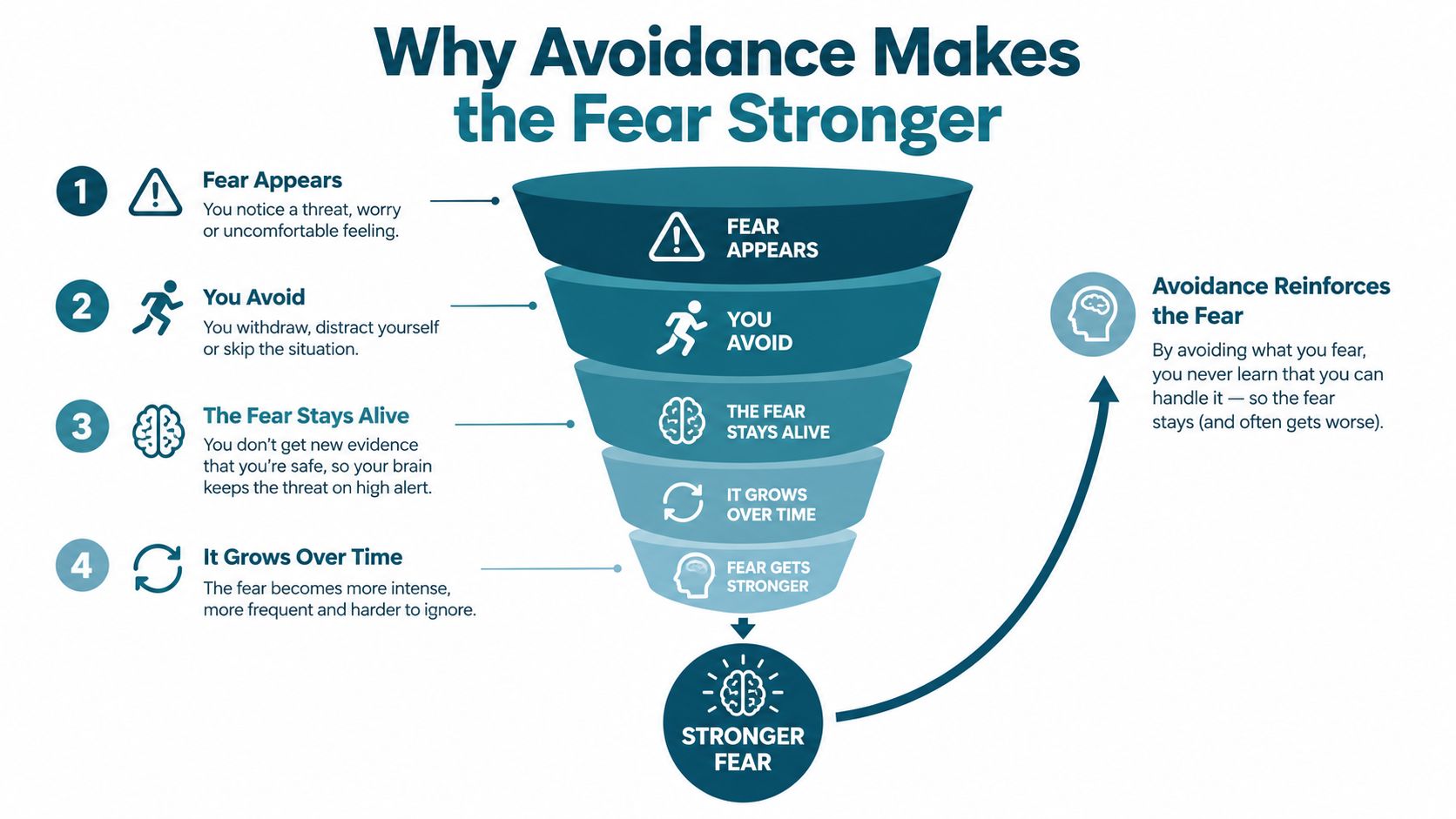
The cycle often looks like this:
- A trigger creates fear, such as a needle, cost concern, painful memory, or fear of judgment.
- The patient postpones a cleaning, exam, filling, or consultation.
- The dental problem has more time to develop.
- Treatment feels more urgent or complicated.
- The stronger experience reinforces the original fear.
Avoidance is a symptom that needs support, not evidence that a patient doesn't care about oral health.
Fear also rarely travels alone. In rural and semi-rural communities, distance, transportation, work schedules, limited appointment availability, money worries, insurance limitations, and previous disrespectful care can make the entire care experience feel unsafe or unpredictable. A patient in Amanda, Lancaster, Circleville, or Carroll may be afraid of the procedure, but may also be unsure about the cost, the travel, or whether the team will listen.
A useful barrier check asks:
- Is the main fear pain, needles, gagging, or loss of control?
- Is the concern embarrassment or a previous traumatic experience?
- Does transportation or distance make attendance difficult?
- Are fees, insurance, or payment expectations unclear?
- Has a past dental team dismissed the patient's concerns?
The answer determines what kind of support may help. Clear planning and respectful communication can reduce uncertainty before clinical treatment begins.
Practical Coping Strategies Before and During the Visit
A calmer appointment usually starts before arrival. Patients don't have to prepare perfectly. A few concrete details can give the dental team a clearer way to help.
Before the appointment
Write down the trigger in plain language. “The patient fears the injection,” “the patient needs to know before an instrument touches the mouth,” or “the patient becomes lightheaded when lying back” is more useful than a general statement that the visit feels frightening.
A short preparation list can include:
- Confirm logistics: Ask about the appointment purpose, expected steps, transportation, fees, and payment questions.
- Practice slow breathing: Gentle breathing with a longer exhale can reduce physical tension before leaving home.
- Choose a distraction: Headphones, music, an audiobook, or a small stress ball can provide a familiar focus.
- Plan communication: Decide on a hand signal that means “pause” or “please explain.”
- Bring support: A trusted person may make travel and arrival feel less isolating, depending on office policy.
Patients considering supplements should discuss them with a qualified healthcare professional and the dental team, especially when medications or sedation may be involved. A general resource on natural anxiety supplements for 2026 can support questions, but it shouldn't replace a medical review.
During treatment
The patient can ask the dentist to explain each stage before it happens, including expected pressure, sound, vibration, or sensation. Short breaks can help the body settle before the next step. Patients can also request that the team avoid unnecessary surprises and check in at agreed points.
A stop signal gives the patient a practical form of control. It doesn't mean treatment must stop permanently. It means the patient has a reliable way to communicate when a pause or explanation is needed.
Evidence supports combining these communication tools with relaxation, distraction, staged treatment, clear explanations, and clinically appropriate sedation. A systematic review and meta-analysis of 20 trials, including 969 participants in intervention groups and 892 in control groups, found greater anxiety reduction in intervention groups, with a standardized mean difference of -0.62; sedation medication and audiovisual distraction were each associated with lower anxiety (systematic review of dental anxiety-management interventions).
Patients seeking information about nitrous oxide can review nitrous oxide dentistry and ask whether it fits the planned care and medical history. The choice should be made with the dental team, not based on a general online description.
Comfort-Focused Options at Amanda Family Dental
A comfort plan works best when it matches the patient's specific trigger. Someone worried about the unknown may need a consultation and step-by-step explanations. Someone overwhelmed by routine treatment may need staged visits, planned pauses, distraction, or sedation options. Someone who has delayed care may need both anxiety support and a plan for restoring oral health.
At Amanda Family Dental, a new patient exam can include personalized treatment planning and digital X-rays. These tools help the team evaluate oral health while keeping the visit organized and focused. Patients can discuss sensitive concerns, previous experiences, and preferred communication before treatment begins.
Matching care to the concern
Sensitive materials and preferences: Patients who want an integrative approach can ask about mercury-free fillings and fluoride-free choices. These options should be discussed in relation to the patient's clinical needs and preferences.
Airway and muscle concerns: Myofunctional therapy may be relevant for patients with oral-function, airway, or tension-related concerns. The team can explain whether an evaluation is appropriate.
Severe fear or difficult treatment: Sleep dentistry can be considered when anxiety makes routine care feel unmanageable or when longer procedures require a more supported approach. Patients can learn more about what sleep dentistry involves before requesting a consultation.
Delayed or urgent care: Patients who have postponed treatment may need restorative dentistry, a root canal, crown, tooth extraction, or emergency dental services. A careful examination helps determine the appropriate next step rather than assuming that every painful tooth needs the same treatment.
Smile-focused care: Once comfort and oral health are addressed, patients may ask about teeth whitening, veneers, Invisalign, cosmetic dentistry, or dental implants. A consultation for dental implants near me or a cosmetic dentist near me can begin with the same patient-centered discussion about expectations and comfort.
Amanda Family Dental serves patients from Amanda, Lancaster, Circleville, and Carroll, OH. Convenient scheduling and same-day care when available may help patients who need an emergency dentist or who find repeated trips difficult. Treatment availability depends on the clinical situation, schedule, and individualized plan.
When Symptoms Deserve a Professional Conversation
A patient should tell the dental team about anxiety when fear affects planning, attendance, communication, consent, or the ability to tolerate care. Severe avoidance, panic-like symptoms, fainting, intense physical reactions, or an inability to receive essential treatment deserve structured attention rather than a demand for more willpower.
Validated assessment tools can help distinguish ordinary nervousness from more serious dental anxiety. The Modified Dental Anxiety Scale is one example of a structured measure used in dental-anxiety research and practice. A dental team may also ask about previous traumatic experiences, specific triggers, physical responses, and whether fear has caused missed or delayed appointments (research on psychological treatment and validated dental-anxiety assessment).
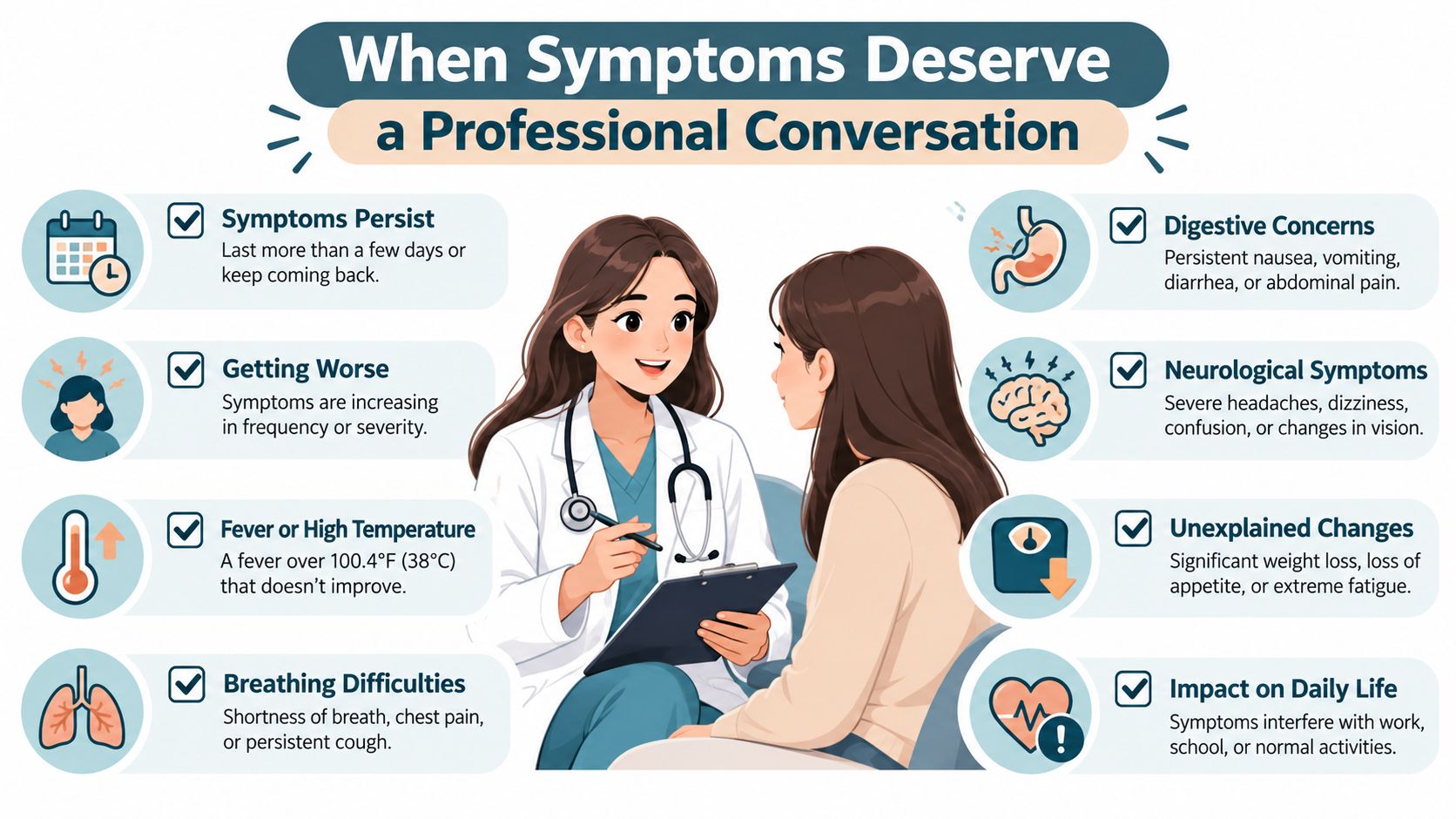
A pre-visit checklist can make the first conversation easier:
- Trigger: Pain, needles, gagging, sounds, embarrassment, cost, loss of control, or a past experience.
- Body response: Racing heart, sweating, trembling, breathing difficulty, nausea, dizziness, or muscle tension.
- Behavior response: Cancellation, rescheduling, lateness, refusal of X-rays, freezing, or asking to end treatment.
- Support requested: Explanations before sensations, a stop signal, breaks, headphones, staged visits, or a sedation discussion.
- Access barrier: Transportation, distance, scheduling, fees, insurance, language, disability, or fear of judgment.
Behavioral support can complement dental care. A systematic review of 10 randomized trials found that cognitive behavioral therapy or related interventions reduced Dental Anxiety Scale scores with a mean difference of -2.7 points and increased acceptance of dental treatment, although the evidence quality was rated low (review of behavioral interventions for adult dental anxiety). A dentist and behavioral-health professional can coordinate when anxiety reaches a level that dental communication and comfort measures alone can't address.
Early disclosure gives the dental team more choices. It can lead to a slower visit, clearer explanations, planned pauses, a new patient exam before treatment, or discussion of clinically appropriate sedation. Patients in Amanda, Lancaster, Circleville, and Carroll, Ohio, don't need to wait for a dental emergency before asking for that support.
Amanda Family Dental provides new patient exams, digital X-rays, personalized treatment planning, restorative and emergency dental care, cosmetic services, dental implants, and comfort-focused options for anxious patients. Patients can share their dental anxiety symptoms when scheduling and visit Amanda Family Dental to request an appointment or consultation in a calm, respectful setting.