

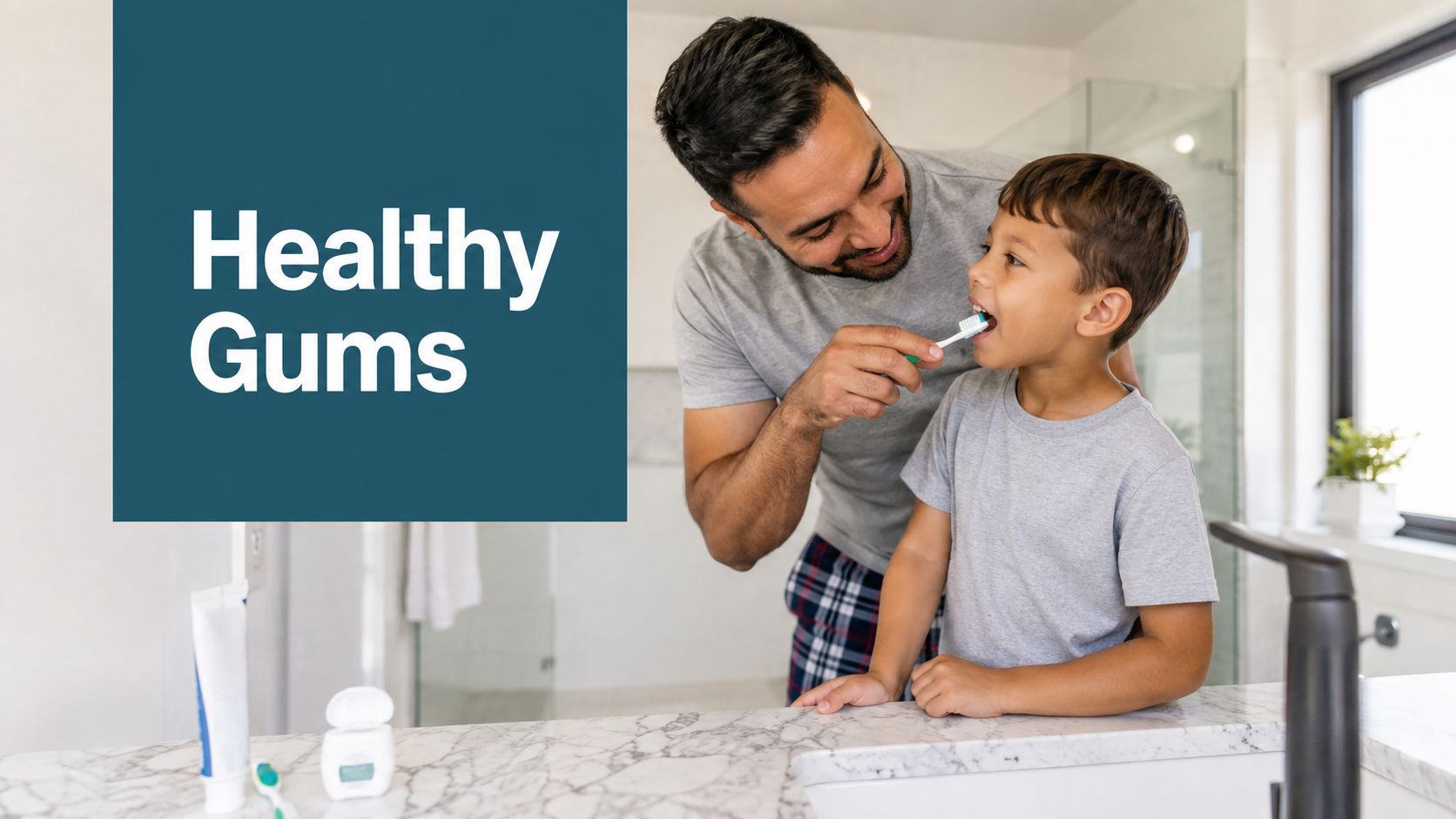
A parent notices a little blood in the sink after brushing. A child rushes through flossing, while another family member postpones a cleaning because nothing hurts. These moments are common, but they don't always mean the mouth is healthy. Gum disease can develop without obvious signs, and early gingivitis is preventable and reversible with consistent oral hygiene, according to the CDC's guidance on gum disease.
The most dependable approach combines daily plaque control, professional cleanings and exams, tobacco avoidance, attention to health changes, and personalized advice. The World Health Organization identifies poor oral hygiene and tobacco use as major periodontal disease risk factors, which makes practical family routines especially valuable.
Amanda Family Dental provides comfort-focused dental care for families in Amanda, Lancaster, Circleville, and Carroll, Ohio. The following eight gum disease prevention tips explain what families can do at home, when professional monitoring matters, and how Amanda Family Dental can help with new patient exams, digital X-rays, cleanings, preventive guidance, and treatment planning.
Table of Contents
- 1. Brush Your Teeth Twice Daily with Proper Technique
- 2. Floss Daily to Remove Plaque Between Teeth
- 3. Schedule Regular Professional Cleanings and Exams
- 4. Use Antimicrobial or Antiseptic Mouthwash Carefully
- 5. Maintain a Healthy Diet with Less Sugar and Acid
- 6. Avoid Smoking and Other Tobacco Products
- 7. Protect Gum Health by Managing Stress and Sleep
- 8. Address Dry Mouth and Stay Hydrated
- 8-Point Gum Disease Prevention Comparison
- Know When Your Family Needs Dental Support
1. Brush Your Teeth Twice Daily with Proper Technique
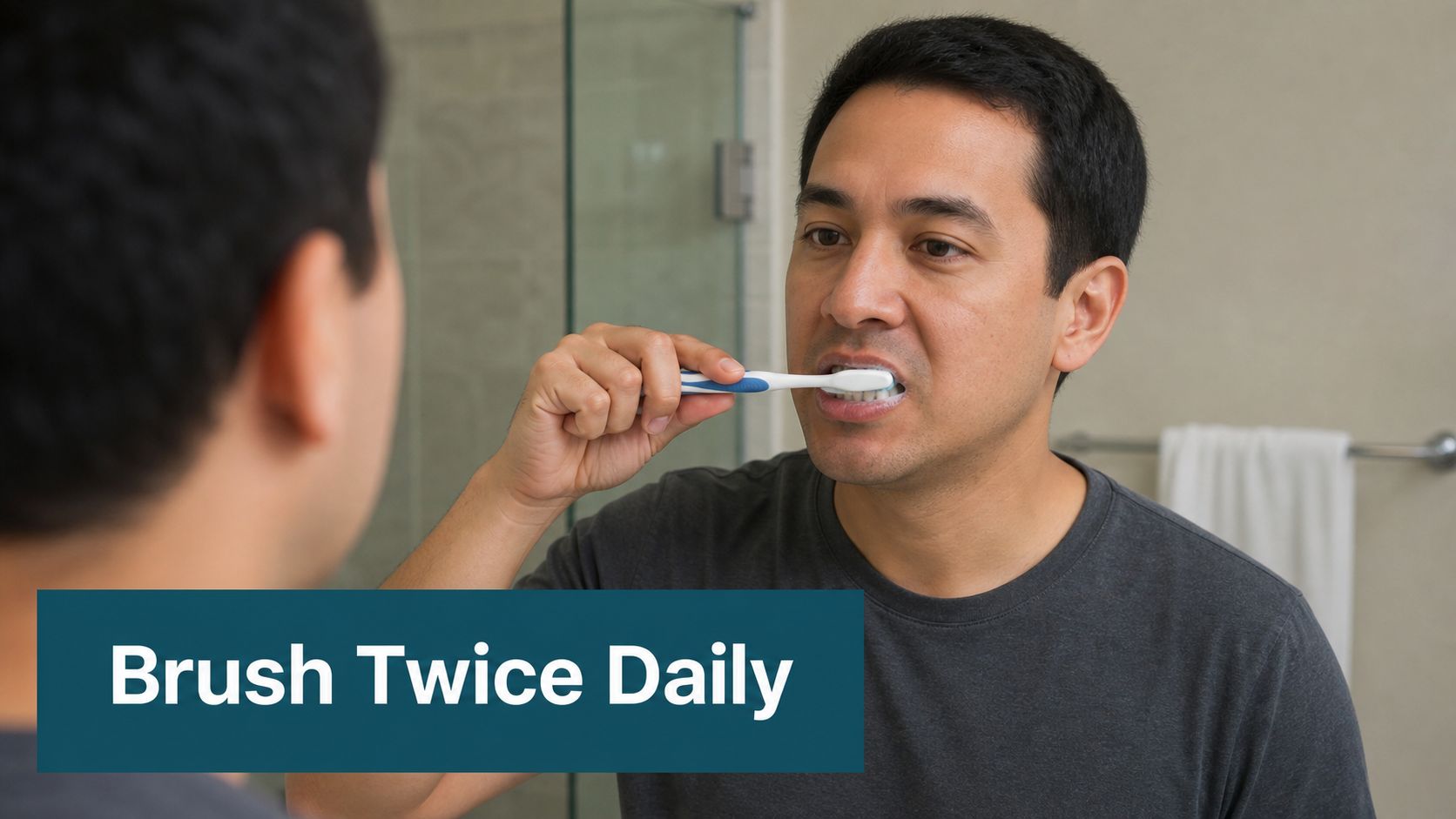
Morning and bedtime brushing give gums regular protection from plaque, the sticky bacterial film that collects around teeth and the gumline. Frequency matters, but technique matters too. Rushing can leave plaque behind, while heavy pressure may irritate gum tissue.
Hold a soft-bristled toothbrush at roughly a 45-degree angle toward the gumline. Use gentle circular movements where each tooth meets the gums, rather than sawing back and forth. A two-minute timer helps children and adults slow down and clean the front, back, chewing surfaces, and gumline of every tooth. The CDC recommends brushing twice daily as part of gum disease prevention.
Practical rule: Gentle, consistent brushing is more useful than aggressive scrubbing.
A timer beside the bathroom mirror can keep the routine on track. Letting children choose a toothbrush they like may make daily care easier. An electric toothbrush can help someone with limited hand dexterity maintain a steady pattern. Fluoride toothpaste supports daily cavity and gum care.
Small adjustments make brushing more effective
- Aim at the gumline: Keep some bristles on the gums and the rest on the teeth.
- Use light pressure: Frayed bristles or sore gums can signal that the brush is being pressed too firmly.
- Replace worn brushes: Change the toothbrush when bristles fray or no longer clean comfortably.
- Ask for coaching: During a new patient exam or cleaning, Amanda Family Dental can demonstrate a brushing method suited to each family member.
Children may need reminders, older adults may need a simpler grip, and people with recession or sensitivity may benefit from technique changes. These adjustments help the whole family keep plaque control consistent as needs change.
Families in Amanda, Lancaster, Circleville, and Carroll can ask Amanda Family Dental for practical home-care guidance during a preventive visit.
2. Floss Daily to Remove Plaque Between Teeth
A toothbrush cannot reach every surface between teeth. Plaque can stay in these narrow spaces and along the gum edges, much like dust settling in a gap that a regular brush cannot enter. Daily interdental cleaning adds that missing part of a family's home routine.
Traditional floss works well when it can be guided gently around each tooth. Floss picks may be easier for a child or adult who has trouble controlling a long strand. Interdental brushes can fit wider spaces, while a water flosser may suit some people with braces, bridges, implants, or limited hand dexterity. The Cochrane evidence on interdental-cleaning devices describes the evidence as nuanced, so one product should not be treated as the right choice for every mouth.
The best device is the one that fits the spaces and can be used consistently. Interdental brushes may work well where there is room for them, while floss can clean tighter contacts. A dental professional can help a family member choose the correct size and method, especially when age, orthodontic appliances, gum recession, or hand control changes the routine.
A simple bedtime method
Use a fresh section of floss for each tooth. Guide it gently between the teeth, curve it around one tooth in a C shape, and move it along the tooth surface just below the gum edge. A slow, controlled motion cleans more carefully than forcing or snapping the floss into place.
Bleeding should not be ignored, but it does not always mean the routine should stop. Persistent bleeding deserves a dental assessment, while gentle daily cleaning may help inflamed gums settle.
Amanda Family Dental can show patients in Amanda, Lancaster, Circleville, and Carroll how to choose and use an interdental device. Families can review water flosser effectiveness before discussing whether that option fits a particular mouth.
A short demonstration can turn an intended habit into a practical part of the family's evening routine.
3. Schedule Regular Professional Cleanings and Exams
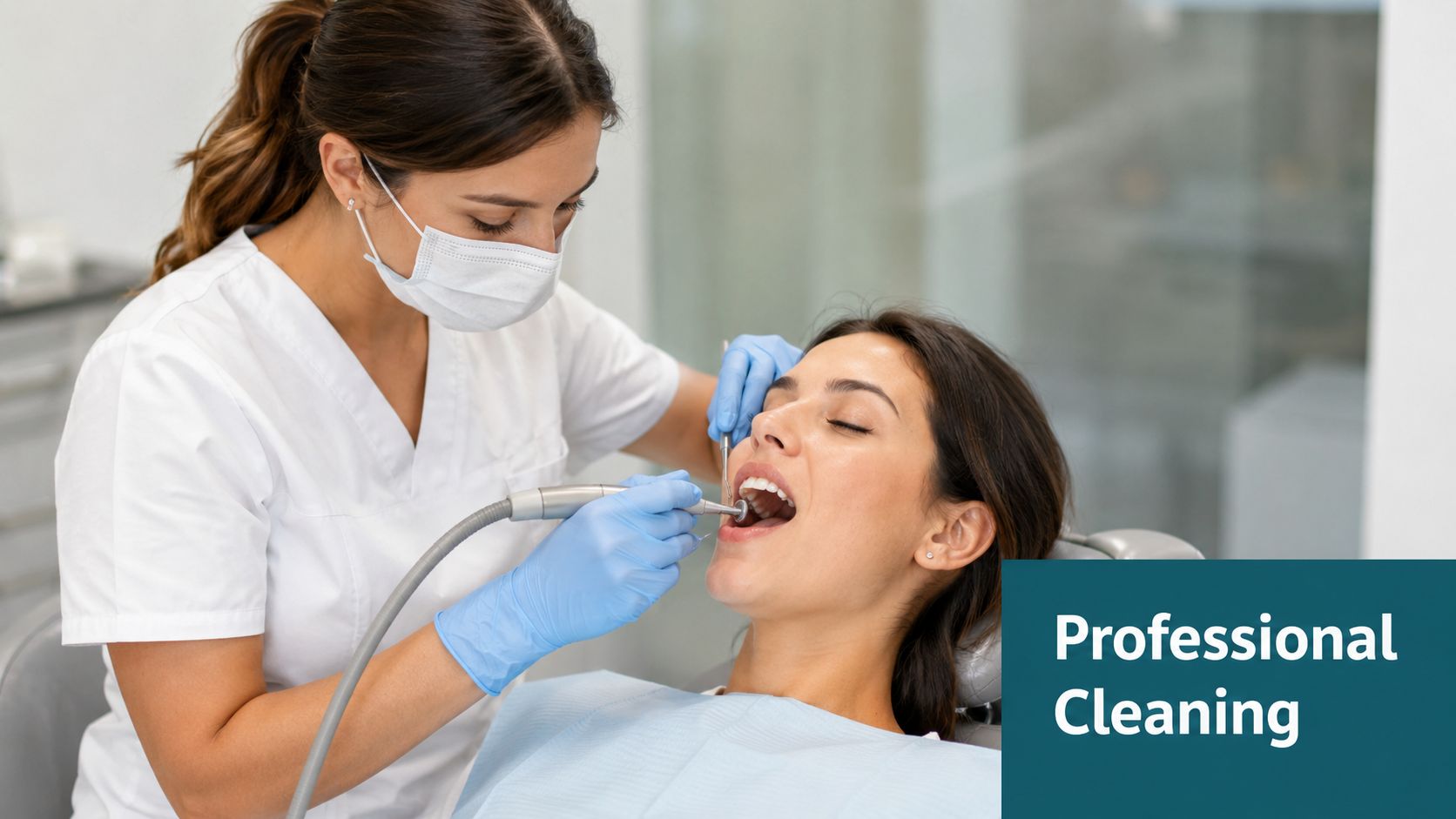
Daily brushing and interdental cleaning manage plaque, but they cannot safely remove tartar once it hardens. A professional cleaning uses specialized instruments to clear buildup from tooth surfaces and areas close to, or beneath, the gumline. Like clearing leaves from a drain, this care helps remove what routine home cleaning cannot reach.
An examination checks the condition of the gums alongside the cleaning. A dental professional can look for inflammation, recession, bleeding, and other changes, then decide whether X-rays are needed to assess areas hidden between teeth or below the gumline. Regular professional visits and dental checkups support prevention, with the timing adjusted when a provider identifies added risk.
Healthy gums may fit a routine preventive schedule. Someone with current or previous periodontal disease may need periodontal maintenance, scaling and root planing, or another individualized plan. Amanda Family Dental can explain the reason for each recommendation, so a family member's care reflects age, health history, gum findings, and changing habits rather than a fixed schedule for every mouth.
What a preventive visit can include
- New patient exam: The team reviews concerns, medical history, home-care habits, and gum condition.
- Professional cleaning: Hygienists remove hardened buildup that daily brushing cannot eliminate.
- Digital X-rays: Images can help evaluate areas hidden below the gumline or between teeth.
- Personalized planning: Amanda Family Dental may recommend preventive care, restorative dentistry, or periodontal treatment when findings call for closer attention.
Pain is not a reliable appointment reminder. Early gum disease can produce few noticeable symptoms, so waiting may allow inflammation to persist. Families can review what a dental cleaning includes and contact Amanda Family Dental for care near home in Amanda, Lancaster, Circleville, or Carroll.
4. Use Antimicrobial or Antiseptic Mouthwash Carefully
Mouthwash can support brushing and interdental cleaning, but it doesn't replace either one. An antiseptic rinse may help reduce plaque accumulation and support gum care for selected patients. The European Federation of Periodontology explains that antiseptic mouthwashes can help prevent plaque accumulation for up to 12 hours after brushing, while chlorhexidine generally should be limited to a maximum of two weeks. Those details appear in the EFP's patient guidance on gum disease.
That distinction matters in a busy household. A rinse may be useful for someone with gum inflammation, difficulty cleaning certain areas, or a dentist-recommended short-term plan. It shouldn't become a reason to brush less carefully or skip daily interdental cleaning.
Amanda Family Dental can help patients compare over-the-counter antiseptic rinses, fluoride-containing products, alcohol-free formulas, and prescription options. Chlorhexidine, in particular, should be used only as directed by a dental professional because its role is generally limited rather than a permanent substitute for mechanical cleaning.
Match the rinse to the person
A patient with dry mouth may prefer an alcohol-free formula. Another patient may need a professionally directed antimicrobial rinse during treatment for active inflammation. Children, patients with sensitivity, and people taking medications should ask the dental team before adding a new product to the family routine.
The order of brushing and rinsing can also affect product use. Families can review whether mouthwash should be used before or after brushing and then follow the product label or Amanda Family Dental's specific recommendation.
Mouthwash works best as an adjunct, not the foundation. The foundation remains brushing twice daily, cleaning between teeth daily, and maintaining professional exams and cleanings.
5. Maintain a Healthy Diet with Less Sugar and Acid
Food choices affect the environment around the gums and teeth. Frequent sugary snacks and drinks give oral bacteria more fuel, while acidic beverages and foods can contribute to enamel erosion and sensitivity. Families don't need a complicated menu to support oral health. They need repeatable choices that reduce constant exposure to sugar and acid.
Water is a useful default drink throughout the day. Meals can include leafy greens, dairy products, nuts, seeds, crunchy vegetables, and foods containing antioxidants. These choices support general nutrition and can make it easier to replace sticky snacks that cling to teeth between brushing sessions.
A child who reaches for candy repeatedly after school may benefit from a planned snack paired with water. An adult who drinks soda or juice during a workday can keep water nearby and drink it after an acidic beverage. Those small changes support the daily plaque-control routine rather than trying to compensate for it.
Make family choices easier
- Plan balanced snacks: Carrots, celery, nuts, seeds, and dairy foods can replace sticky sweets in many situations.
- Choose water often: Water helps rinse away food debris and avoids adding sugar or acid exposure.
- Protect enamel after acid: Drinking water after acidic foods or beverages can help clear the mouth.
- Delay brushing after acid: Waiting before brushing allows softened enamel to recover before mechanical cleaning.
- Prepare ahead: Families can pack healthy snacks for travel instead of relying on convenience foods.
Amanda Family Dental can discuss nutrition, sensitivity, dry mouth, and gum concerns during a cleaning or exam. Dietary guidance should complement, not replace, brushing, interdental cleaning, and professional monitoring.

6. Avoid Smoking and Other Tobacco Products
Tobacco use makes gum disease prevention more difficult. The NIDCR identifies tobacco use as the most significant gum-disease risk factor and explains that smoking or other tobacco use can delay healing and make treatment less successful.
That risk includes cigarettes, cigars, pipes, chewing tobacco, snuff, and other oral tobacco products. Vaping should also be disclosed during a dental visit so the team can consider the patient's complete health and oral-care picture. Tobacco can make it harder for the body to respond to infection, and it can affect how the gums respond to treatment.
A patient who wants to stop doesn't need to handle the process without support. A physician can discuss cessation medications or patches, while counselors, support groups, and the National Quit Smoking Helpline at 1-800-QUIT-NOW can provide additional assistance. Amanda Family Dental can monitor gum health and encourage patients without judgment.
Make tobacco use part of the dental conversation
Patients sometimes avoid mentioning tobacco because they expect criticism. Accurate information helps the dental team recognize risk, watch for changes, and create a more appropriate maintenance plan.
A supportive dental visit: Honest tobacco information allows the team to focus on protection, healing, and practical next steps.
Patients in Amanda, Lancaster, Circleville, and Carroll can tell Dr. Alyssa Jenkins or the Amanda Family Dental team about current or past tobacco use. The conversation can also include bleeding, recession, sensitivity, loose teeth, and any previous periodontal treatment. Preventive care becomes more useful when the plan reflects the patient's real habits and health history.
7. Protect Gum Health by Managing Stress and Sleep
Stress can change oral-health behavior. A tense parent may rush through brushing, an exhausted teenager may skip flossing, and an adult under pressure may clench the jaw during the day or grind the teeth at night. These habits can add strain to teeth and supporting tissues while making a consistent prevention routine harder to maintain.
Sleep supports the body's normal recovery and immune function. A steady bedtime routine, physical activity, relaxation practices, time outdoors, and social connection can help families protect both general wellness and daily oral-care habits. Patients who snore, wake frequently, or suspect sleep problems should discuss those concerns with a healthcare professional.
A family doesn't need to adopt every wellness strategy at once. One practical starting point might be keeping toothbrushes visible, setting a regular bedtime, and adding a short period of quiet breathing before the evening routine. Another family might choose a walk after dinner, followed by brushing and interdental cleaning.
Notice signs of clenching
Jaw soreness, morning headaches, worn teeth, or reports from a partner that grinding occurs during sleep deserve attention. Amanda Family Dental can evaluate these concerns and discuss whether a night guard or another approach may be appropriate.
Stress support may include:
- Consistent sleep habits: Keeping regular sleep and wake times can make evening routines easier.
- Movement: Walking, exercise, stretching, or yoga can provide a healthy transition out of a stressful day.
- Mindful pauses: Meditation, breathing exercises, or quiet hobbies may help reduce tension.
- Community support: Family, friends, counselors, and local groups can help patients manage ongoing stress.
Families can also explore the science of sustainable calm as part of a broader wellness routine. The dental team can address the oral effects of stress while other healthcare professionals address sleep, anxiety, or related health concerns.
8. Address Dry Mouth and Stay Hydrated
Saliva helps protect the mouth by washing away food debris, neutralizing acids, and supporting the mouth's natural defenses. Dry mouth can leave the teeth and gums more vulnerable to irritation and plaque-related problems. It may be connected to medications, diabetes, autoimmune conditions, cancer treatment, or inadequate fluid intake.
A patient who wakes with a sticky mouth, struggles to swallow dry foods, needs frequent sips of water, or notices persistent mouth dryness should mention it at a dental appointment. Antihistamines, decongestants, and antidepressants can contribute to dry mouth for some people, but medication should never be stopped without guidance from the prescribing clinician.
Water throughout the day is a simple first step. Sugar-free gum or lozenges can stimulate saliva for some patients, and a bedroom humidifier may make nighttime dryness more comfortable. Alcohol-containing rinses may worsen dryness, so patients should ask Amanda Family Dental about alternatives when selecting a mouthwash.
Build a hydration-friendly routine
- Keep water accessible: A bottle or glass nearby makes regular sipping easier.
- Limit drying choices: Caffeine and alcohol may worsen symptoms for some people.
- Use sugar-free products: Sugar-free gum or lozenges can encourage saliva without coating teeth in sugar.
- Review health changes: New medications, diabetes management concerns, or autoimmune symptoms should be discussed with healthcare providers and the dental team.
- Ask about treatment: Saliva substitutes and prescription options may help when home measures aren't enough.
Amanda Family Dental can evaluate dry-mouth symptoms during an exam and help coordinate preventive guidance. A personalized plan may include cleaning frequency, fluoride recommendations, product selection, digital X-rays, and treatment for cavities or gum inflammation when needed.
8-Point Gum Disease Prevention Comparison
| Intervention | Implementation complexity | Resource requirements | Expected outcomes | Ideal use cases | Key advantages |
|---|---|---|---|---|---|
| Brush Twice Daily with Proper Technique | Low, simple skill with brief instruction | Soft‑bristled or electric toothbrush, fluoride toothpaste, 2 minutes twice daily | Removes fresh plaque, reduces gingival inflammation and decay risk; does not remove existing tartar | Universal daily preventive care for all patients | Low cost, immediate freshening, foundational for oral health |
| Floss Daily to Remove Plaque Between Teeth | Low–Medium, requires technique and habit | Dental floss, floss picks, or water flosser; 2–3 minutes daily | Removes interproximal plaque, reduces bleeding and risk of interdental tartar | Patients with tight contacts or sites where brush cannot reach | Effectively targets between‑tooth plaque and reduces gum inflammation |
| Schedule Regular Professional Cleanings and Exams | Medium, requires appointments and coordination | Dental office visit, professional instruments, possible X‑rays | Removes hardened tartar, enables early detection and treatment planning | Everyone for preventive care; more frequent for periodontal risk | Removes deposits home care cannot and provides clinical monitoring |
| Use Antimicrobial or Antiseptic Mouthwash | Low, easy adjunct to routine | OTC or prescription rinses; follow product directions | Lowers bacterial load and inflammation adjunctively; variable long‑term effect | Patients with gingival inflammation, high bacterial load, or as adjunct therapy | Easy to use, additional antimicrobial protection |
| Maintain a Healthy Diet Low in Sugar and Acidic Foods | Medium, requires sustained habit change | Food planning, healthier food choices, possibly nutrition advice | Reduces substrate for harmful bacteria, supports gum tissue health over time | Individuals with high sugar/acid intake or systemic health concerns | Broad systemic benefits and long‑term reduction in disease risk |
| Don't Smoke or Use Tobacco Products | High, significant behavior change required | Cessation programs, counseling, pharmacologic aids as needed | Substantial reduction in gum disease progression and improved healing over weeks–months | Current smokers or users of any tobacco products | Major risk reduction for periodontal disease and overall health |
| Manage Stress and Sleep Well for Immune Function | Medium, lifestyle and behavioral changes | Time for sleep hygiene, stress‑management practices, possible therapy | Improved immune function, reduced inflammation and bruxism‑related damage | Patients with chronic stress, poor sleep, or bruxism | Holistic improvement to oral and general health; may reduce treatment needs |
| Address Dry Mouth and Stay Properly Hydrated | Low–Medium, routine changes and medical review | Increased water intake, sugar‑free gum/lozenges, saliva substitutes, medication review | Increased salivary flow, better acid neutralization, reduced caries and gum vulnerability | Patients with xerostomia from meds, disease, or treatment | Simple, low‑risk strategy that restores natural oral defenses |
Know When Your Family Needs Dental Support
Daily prevention works best when families also know which symptoms deserve professional attention. Occasional irritation after an unusual meal may pass, but persistent bleeding, swelling, sensitivity, gum recession, loose teeth, or ongoing dry mouth shouldn't be managed indefinitely at home. These signs can indicate inflammation or another condition that needs an examination.
The CDC explains that nearly half of U.S. adults aged 30 and older, 42%, have periodontitis, while severe periodontitis affects about 8% of adults. The same source reports that prevalence is higher among current smokers and adults living with diabetes, reinforcing the need for personalized prevention rather than a one-size-fits-all routine. Those figures don't mean every patient will develop advanced disease, but they do show why quiet symptoms and missed visits deserve attention.
A prompt appointment can help Amanda Family Dental determine whether a patient needs routine cleaning, periodontal maintenance, scaling and root planing, restorative dentistry, or another service. If gum disease has contributed to tooth damage or tooth loss, the practice can also discuss options such as crowns, dentures, dental implants, or tooth extraction when clinically appropriate. Patients with urgent pain, swelling, trauma, or a dental infection can ask about emergency dental services.
A family routine should adapt
- Children: Parents can supervise brushing, encourage daily interdental cleaning when appropriate, and schedule pediatric exams.
- Pregnant patients: Hormonal changes can make gum symptoms more noticeable, so bleeding or swelling deserves discussion during dental care.
- People with diabetes: Diabetes is a recognized gum-disease risk factor, making coordinated medical and dental care especially important.
- Smokers: Tobacco use should be disclosed so the dental team can monitor gum tissue, healing, and treatment response.
- Older adults: Changes in dexterity, medications, dry mouth, bridges, dentures, or implants may require different cleaning tools and more individualized instruction.
Amanda Family Dental serves patients seeking a dentist in Amanda, OH, as well as families traveling from Lancaster, Circleville, and Carroll, Ohio. New patient exams can include a health-history review, gum evaluation, cleaning recommendations, digital X-rays when needed, and a clear treatment plan. Patients can also discuss cosmetic dentistry, teeth whitening, Invisalign, restorative care, dental implants near me searches, or a cosmetic dentist near me while addressing their preventive needs.
The first step doesn't have to be complicated. A family member with bleeding gums can request an exam, a parent can schedule a child's preventive visit, and an adult who has postponed care can ask about a comfortable re-entry appointment. Early guidance can make the next decision clearer and help protect comfort, chewing, speaking, appearance, and confidence.
Amanda Family Dental offers preventive cleanings and exams, digital X-rays, personalized gum-health guidance, and treatment planning for families in Amanda, Lancaster, Circleville, and Carroll, Ohio. Schedule an appointment or request a consultation by visiting Amanda Family Dental, especially if bleeding, swelling, sensitivity, recession, loose teeth, or dry mouth has become part of the daily routine.