

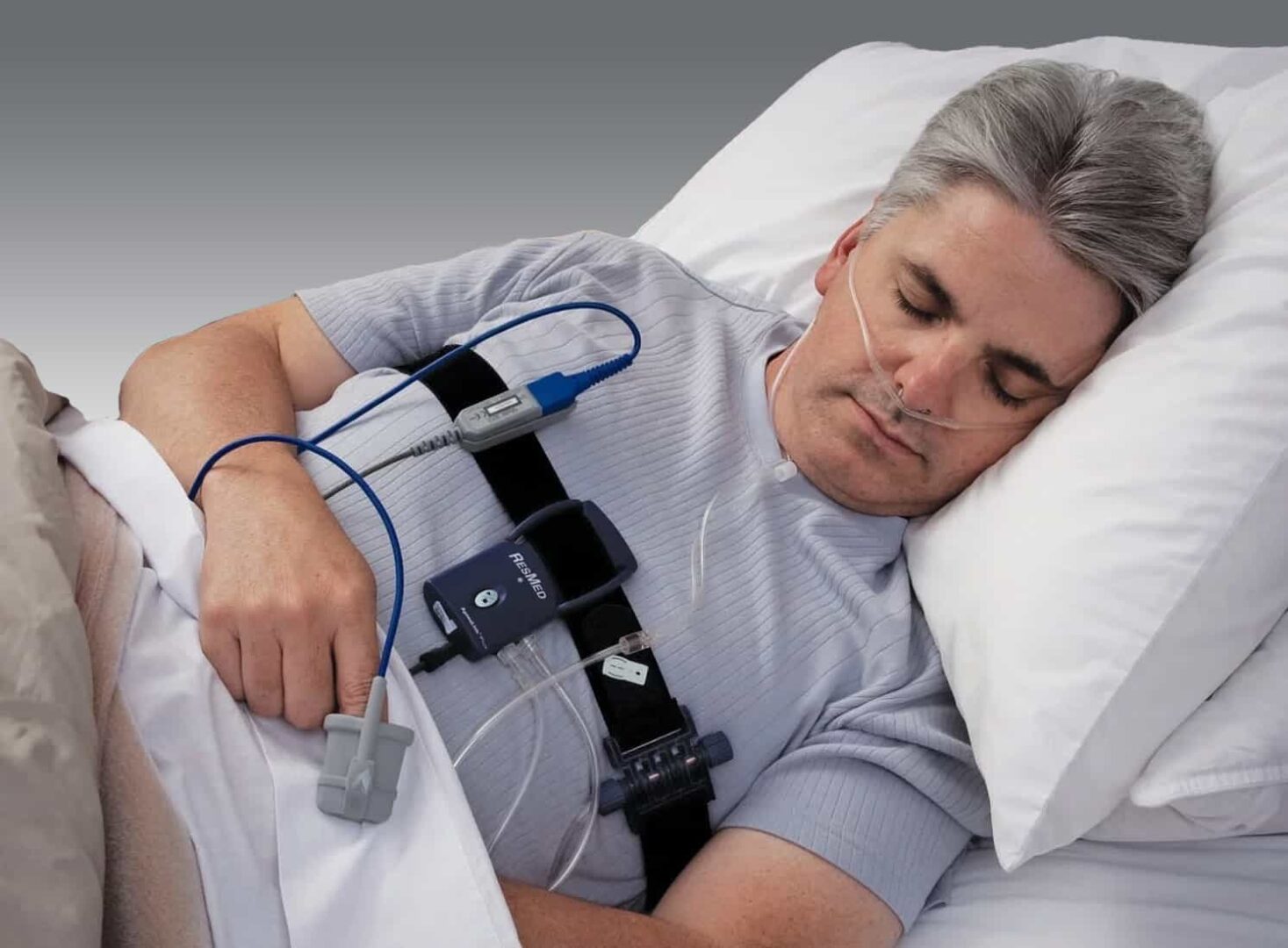
Sleep Apnea Dentist Near Me: Why Dentists Treat Sleep Disorders
When people think about sleep apnea, they usually picture a sleep laboratory, a physician, or a CPAP machine. A dentist may not be the first healthcare provider who comes to mind.
Dentists, however, have a close view of several structures involved in nighttime breathing. During a routine examination, a dentist can evaluate the teeth, lower jaw, tongue, palate, oral tissues, bite, and signs of mouth breathing or grinding. These findings may reveal that a patient’s snoring, morning headaches, dry mouth, or daytime fatigue deserves further investigation.
That is why searching for a “sleep apnea dentist near me” can be a reasonable first step when poor sleep appears connected to oral or airway concerns. The dentist’s role is not to replace a sleep physician. Instead, dental sleep care may include identifying warning signs, guiding patients toward appropriate testing, evaluating oral function, and supporting treatments that involve the mouth and jaw.
At Amanda Family Dental, we provide sleep and airway screening, home sleep study guidance, obstructive sleep apnea screening, airway measurements, total health screening, and myofunctional therapy for patients in Amanda, Ohio, and nearby communities. Our approach considers how the mouth, tongue, jaw, airway, and surrounding muscles work together.
What Is Obstructive Sleep Apnea?
Obstructive sleep apnea, often shortened to OSA, occurs when the upper airway repeatedly narrows or becomes blocked during sleep. These interruptions can reduce airflow and repeatedly disturb normal sleep.
A person with OSA may snore loudly, gasp during sleep, wake with a dry mouth, experience morning headaches, or feel tired despite spending enough hours in bed. A spouse or family member may notice pauses in breathing before the person experiencing them realizes anything is wrong.
These symptoms should not be dismissed as harmless snoring. They may indicate a breathing-related sleep problem that requires proper evaluation.
A dentist can screen for possible OSA, but screening does not provide a formal diagnosis. Amanda Family Dental clearly explains that its screening process is intended to identify symptoms and airway findings that may justify additional sleep testing.
Why Is a Dentist Involved in Sleep Apnea Care?
The mouth and lower jaw form part of the upper airway. When sleep reduces muscle tone, the tongue and nearby soft tissues may move backward and make the airway more likely to narrow.
A dentist routinely examines these structures and may recognize oral signs that would otherwise go unnoticed. The American Dental Association notes that dentists can participate throughout the evaluation and treatment process by reviewing medical and dental history, examining oral anatomy, screening patients who may be at risk, and determining whether dental treatment is appropriate after diagnosis.
Dentists may also notice indirect signs of disrupted sleep or breathing, such as worn teeth from grinding, dry mouth, an enlarged or restricted tongue, jaw discomfort, a narrow-looking oral airway, or changes in oral and facial function.
None of these findings proves that someone has sleep apnea. They help the dentist recognize that a broader evaluation may be worthwhile.
What Happens During a Dental Sleep and Airway Screening?
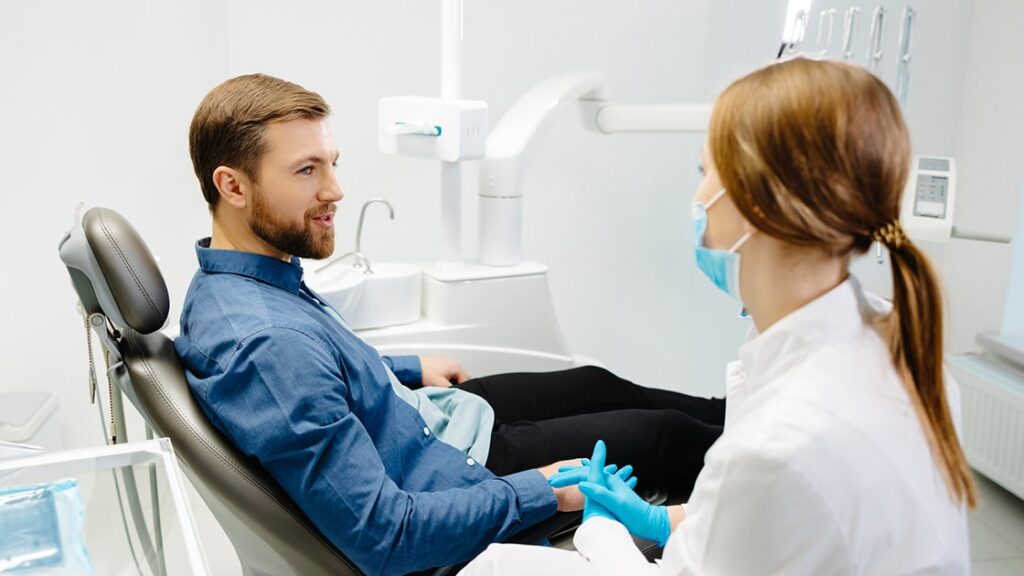
A dental sleep screening usually begins with a conversation. The dentist or team may ask whether you snore, wake frequently, feel rested in the morning, experience daytime sleepiness, or have ever completed a sleep study.
Your health history also matters. The team needs to understand whether you have already been diagnosed with OSA, use a CPAP machine, take medications that affect sleep, or have other medical conditions that could influence testing and treatment.
Amanda Family Dental’s sleep and airway evaluation considers symptoms along with the mouth, jaw, tongue, and airway. The practice offers guidance related to home sleep studies and uses airway-focused technology to gather additional information about airway structure.
A pharyngometer can noninvasively measure the size and shape of the oral and pharyngeal airway. A laryngometer can gather additional measurements involving the airway and surrounding structures. These tools add context, but they do not independently diagnose sleep apnea. Their findings should be considered alongside symptoms, clinical observations, and appropriate sleep testing.
Who Actually Diagnoses Sleep Apnea?
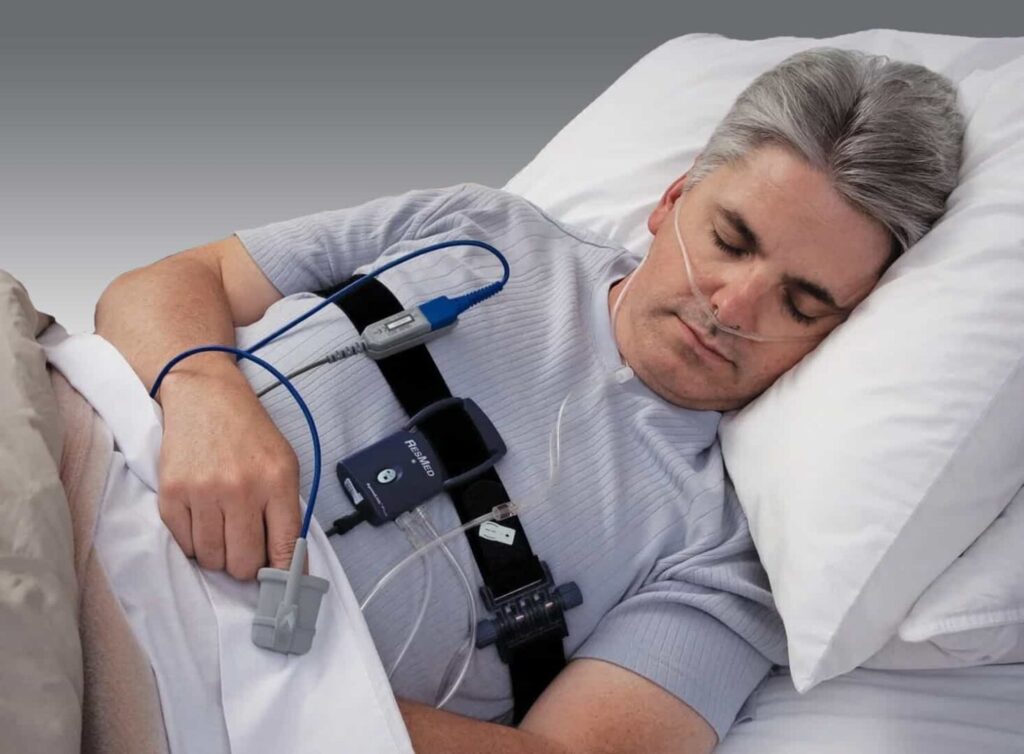
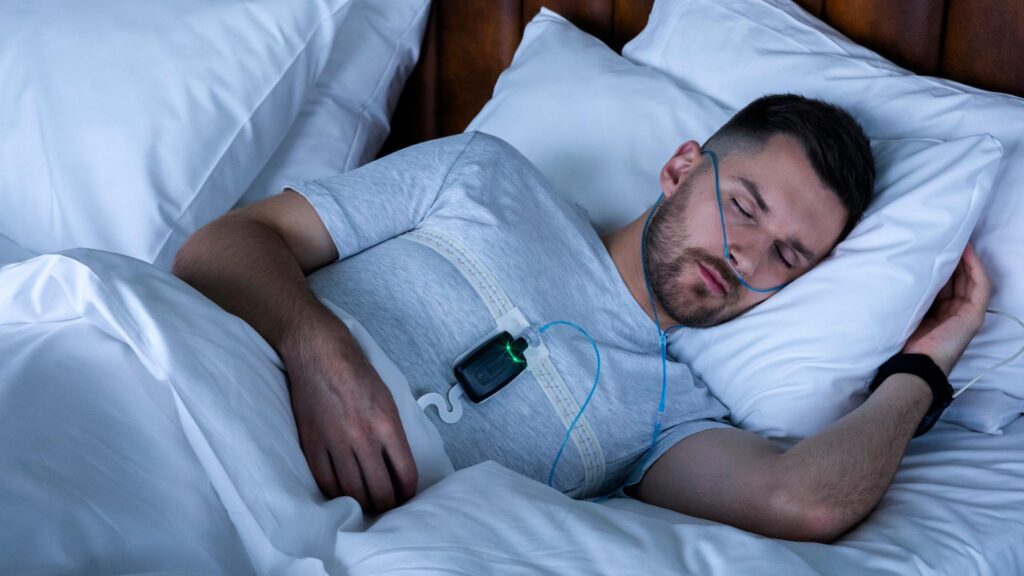
A qualified medical provider or sleep physician is responsible for establishing the diagnosis and determining the medical treatment plan. Sleep testing may take place at home or in a sleep center, depending on the patient’s symptoms, health history, and the level of testing needed.
This division of responsibility protects the patient. The dental team can identify risk and help move the process forward, while the medical provider interprets sleep findings and determines whether the patient has OSA or another sleep condition.
When looking for a sleep apnea dentist near you, choose an office that explains this distinction honestly. Be cautious of anyone who claims that a quick look inside the mouth can diagnose every sleep disorder.
Amanda Family Dental states directly that screening does not diagnose sleep apnea. Its role is to help patients recognize possible concerns, understand testing, and determine an appropriate next step.
How Dentists Can Treat Diagnosed Sleep Apnea
One of the main dental treatments used for OSA is oral appliance therapy. A sleep apnea oral appliance looks somewhat like an orthodontic retainer and is worn while sleeping. It generally supports the lower jaw in a forward position, which can help reduce the likelihood of the tongue and surrounding tissues blocking the airway.
Oral appliance therapy usually begins after a physician diagnoses OSA and determines that an appliance is an appropriate treatment option. A qualified dentist then evaluates the teeth, gums, bite, jaw joints, and oral anatomy before creating a custom device. The dentist also adjusts and monitors the appliance over time.
Custom, adjustable appliances are preferred over generic devices because they can be fitted to the patient and modified gradually. Ongoing dental supervision is important because an appliance may cause temporary jaw soreness, bite changes, tooth movement, excess saliva, dry mouth, or irritation in some patients.
Amanda Family Dental’s current website does not list custom sleep apnea appliances as a dedicated service. The office presently focuses on screening, sleep-study guidance, airway measurements, total health screening, and myofunctional therapy. Patients who need oral appliance therapy may therefore require coordinated care with an appropriately qualified medical and dental provider.
Is an Oral Appliance Better Than CPAP?
CPAP and oral appliance therapy work differently.
CPAP uses pressurized air to prevent the airway from closing. An oral appliance changes the position of the lower jaw and related oral structures. Neither option is automatically best for everyone.
Oral appliances are often considered for adults with mild to moderate OSA or for selected patients who cannot tolerate or do not want to use CPAP. The American Dental Association notes that custom oral appliances can improve adult OSA, although CPAP is generally more effective at controlling breathing events. Consistent use and individual patient preference can influence the practical success of either treatment.
A patient should not stop using CPAP or substitute a dental device without speaking to the medical provider managing the condition. Follow-up testing may be needed to confirm that any selected treatment is adequately controlling the sleep apnea.
How Myofunctional Therapy Supports Better Function
Myofunctional therapy focuses on how the tongue, lips, face, and other oral muscles rest and move. It uses gentle, repeated exercises to encourage healthier tongue posture, nasal breathing, swallowing, speech, and oral function.
Amanda Family Dental provides myofunctional therapy as part of its airway and wellness services. The practice evaluates how oral muscle function may influence breathing patterns, sleep quality, facial development, and everyday comfort.
The therapy may be helpful when poor tongue posture, mouth breathing, swallowing patterns, or oral muscle habits are part of the overall concern. Amanda Family Dental also evaluates tongue restrictions that may affect movement, development, and airway function, particularly in children.
Myofunctional therapy should not be viewed as a universal replacement for CPAP, oral appliance therapy, surgery, or medical treatment. It may serve as supportive care within a broader plan based on the patient’s diagnosis and functional needs.
What Should You Look for in a Sleep Apnea Dentist?
A trustworthy dental provider should take a coordinated and evidence-based approach. The office should explain the difference between screening and diagnosis, review your health and sleep history, examine the teeth and oral structures, and recommend appropriate testing rather than immediately selling a device.
The dentist should also consider the condition of your jaw joints, gums, natural teeth, restorations, and bite before recommending any therapy that changes the position of the lower jaw.
Clear communication is especially important because sleep apnea care often involves several professionals. Depending on your needs, your team may include a primary care provider, sleep physician, dentist, myofunctional therapist, ear, nose, and throat specialist, or another medical professional.
Dr. Alyssa Jenkins takes a comprehensive approach that considers airway function, prevention, whole-body health, and long-term wellness. She graduated from The Ohio State University College of Dentistry and completed advanced education through The Dawson Academy. Her patient-care philosophy emphasizes listening, education, comfort, and individualized planning.
Find a Sleep Apnea Dentist Near Amanda, Ohio
A dentist can play an important role in sleep care because oral anatomy, tongue function, jaw position, and airway health are closely connected. The dentist may identify warning signs, guide patients toward testing, evaluate oral function, provide supportive therapy, or participate in physician-directed oral appliance care when appropriately trained.
Amanda Family Dental provides sleep and airway screening, home sleep study guidance, OSA screening, pharyngometer and laryngometer measurements, total health screening, and myofunctional therapy. The practice welcomes patients from Amanda, Lancaster, Circleville, Stoutsville, Ashville, Carroll, Lithopolis, Sugar Grove, Logan Elm Village, and other nearby Ohio communities.
If you snore regularly, wake with a dry mouth or headache, feel exhausted during the day, or have been told that your breathing pauses during sleep, call Amanda Family Dental at 740-969-1198. A dental sleep and airway screening can help you better understand the warning signs and identify the appropriate next step toward healthier sleep.
Amanda Family Dental
https://maps.app.goo.gl/kDoSWq497FbknuUw6
(740) 969-1198
145 W Main St, Amanda, OH 43102, United States
https://amandafamilydental.com/