

Sleep Apnea and TMJ Treatment Near Me: How They’re Connected
Waking with a sore jaw, tight facial muscles, a morning headache, or sensitive teeth may seem like a straightforward dental problem. But when those symptoms occur alongside loud snoring, restless sleep, dry mouth, daytime fatigue, or pauses in breathing, there may be more than one issue contributing to how you feel.
Temporomandibular disorders and obstructive sleep apnea are different conditions. One affects the jaw joints and chewing muscles, while the other repeatedly interferes with breathing during sleep. Still, they can overlap, share symptoms, and influence the same structures around the mouth, tongue, and lower jaw.
This is why some patients search for “sleep apnea and TMJ treatment near me” rather than looking for help with only one concern. A complete evaluation should consider both jaw function and nighttime breathing instead of assuming every headache or sore jaw has a single cause.
At Amanda Family Dental, we take a comprehensive approach to oral health, sleep, breathing, and muscle function. Our services include sleep and airway screening, home sleep study guidance, obstructive sleep apnea screening, airway measurement technology, myofunctional therapy, teeth-grinding evaluations, custom treatment planning, and restorative care for teeth damaged by excessive force.
Understanding the Difference Between TMJ and TMD
The temporomandibular joints, commonly called the TMJs, are located in front of the ears. They connect the lower jaw to the skull and allow the jaw to open, close, slide, and rotate during chewing, speaking, swallowing, and yawning.
“TMJ” technically refers to the joint itself. “TMD,” or temporomandibular disorder, refers to a group of conditions affecting the jaw joints, chewing muscles, or related structures.
TMD symptoms may include:
- Jaw or facial pain
- Tender chewing muscles
- Painful clicking or popping
- Jaw stiffness or locking
- Difficulty opening the mouth
- Headaches near the temples
- Changes in how the teeth come together
Painless clicking is common and does not necessarily require treatment. TMD is more likely to need evaluation when joint sounds are accompanied by pain, limited movement, locking, or difficulty using the jaw. The National Institute of Dental and Craniofacial Research also notes that TMD can occur alongside sleep problems, although the exact causes of many TMD cases remain unclear.

What Happens During Obstructive Sleep Apnea?
Obstructive sleep apnea develops when the upper airway repeatedly narrows or closes during sleep. Each interruption may cause oxygen levels to change and the brain to briefly disturb sleep so breathing can resume.
A person may experience these interruptions many times without fully remembering waking up. The result can be fragmented sleep and symptoms such as loud snoring, gasping, morning headaches, dry mouth, poor concentration, irritability, and excessive daytime fatigue.
The lower jaw and tongue are close to the upper airway. When muscle tone decreases during sleep, the tongue and surrounding soft tissues may move backward and reduce the available breathing space. Jaw position is therefore relevant to some forms of sleep apnea treatment, but airway anatomy is only one part of a much larger medical condition.
Amanda Family Dental screens for signs of possible obstructive sleep apnea by reviewing symptoms, sleep concerns, health history, and airway-related findings. The practice clearly distinguishes screening from diagnosis. A formal diagnosis requires appropriate sleep testing and medical interpretation.
Are Sleep Apnea and TMD Directly Related?
Current research suggests an association between obstructive sleep apnea and TMD, particularly painful TMD, but that does not prove that sleep apnea directly causes every jaw disorder.
A 2024 systematic review and meta-analysis found an association between obstructive sleep apnea and temporomandibular disorders in adults. Other reviews have also reported that people with painful TMD may have a higher prevalence of obstructive sleep apnea. However, the strength of the evidence varies, and researchers continue to study which biological, behavioral, and sleep-related factors explain the overlap.
The practical lesson is not that everyone with TMJ pain has sleep apnea. It is that persistent jaw symptoms may deserve a broader evaluation when they occur with snoring, breathing pauses, poor sleep, or daytime exhaustion.
Likewise, a patient with diagnosed sleep apnea should mention jaw pain, locking, clenching, or limited movement before beginning any treatment that changes the position of the lower jaw.
Nighttime Clenching May Be Part of the Overlap
Sleep bruxism involves clenching or grinding the teeth during sleep. It can place repeated force on the teeth, dental restorations, chewing muscles, and jaw joints.
A person who clenches may wake with tight jaw muscles, temple headaches, tooth sensitivity, or discomfort near the ears. Over time, heavy grinding can contribute to worn enamel, chipped teeth, fractures, and damaged fillings or crowns.
Research has found an association between sleep bruxism and obstructive sleep apnea, but the relationship is complex. Grinding may occur around brief sleep arousals, yet not every person with sleep apnea grinds, and not every person who grinds has sleep apnea.
Amanda Family Dental evaluates signs such as worn chewing surfaces, enamel fractures, morning jaw soreness, muscle tenderness, and damaged restorations. The practice’s current teeth-grinding guidance discusses custom night guards, bite evaluation, restorative repair, muscle-focused care, and consideration of broader sleep or airway factors when appropriate.
A night guard may protect the teeth from grinding forces, but it does not diagnose or treat obstructive sleep apnea. That distinction is important. Protecting the teeth and evaluating nighttime breathing may need to happen as separate but coordinated parts of care.
Shared Symptoms Can Make Diagnosis Confusing
Sleep apnea, bruxism, and TMD can produce symptoms that look similar.
Morning headaches may come from sleep disruption, nighttime muscle tension, clenching, or another medical condition. Jaw soreness may come from overworked muscles, joint inflammation, arthritis, injury, stress-related clenching, or an oral appliance that needs adjustment. Dry mouth may relate to mouth breathing during sleep, medication, dehydration, or another health concern.
Even tooth pain can be misleading. Sensitivity may result from enamel wear caused by grinding, a cracked tooth, decay, an inflamed nerve, or pressure from the chewing muscles.
This is why treatment should not begin with assumptions. A careful dental evaluation may include reviewing symptoms, examining tooth wear, checking jaw movement, feeling the chewing muscles, evaluating the bite, and using dental imaging when necessary. Sleep-related symptoms may lead to airway screening or sleep-testing guidance.
How Airway Screening Fits Into the Evaluation
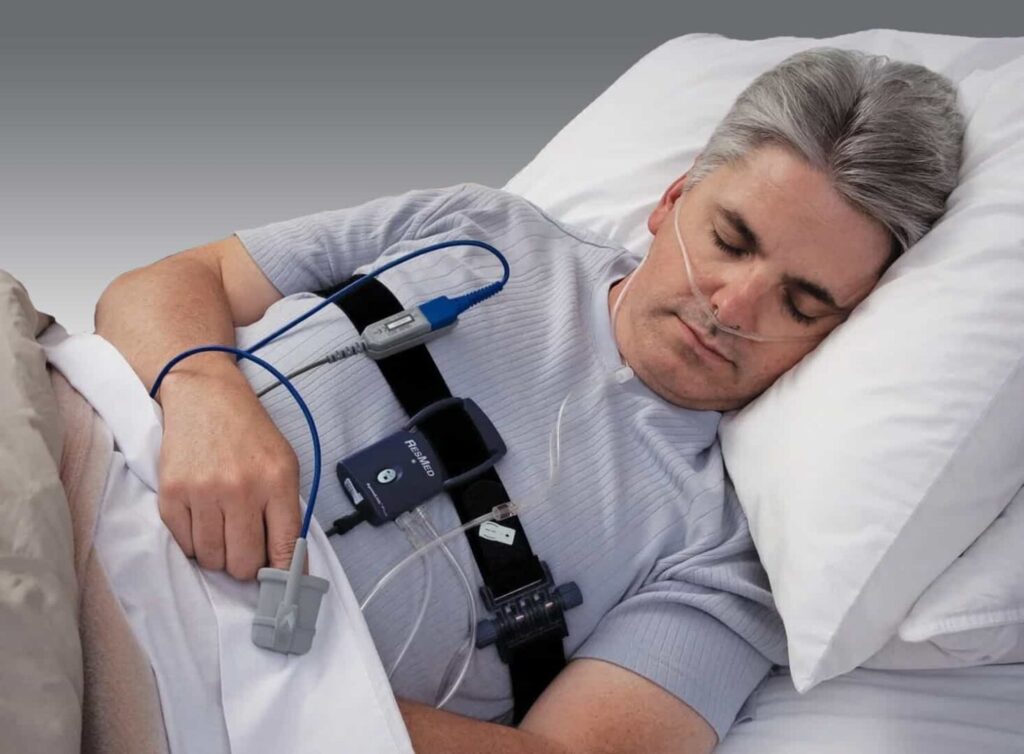
Amanda Family Dental provides sleep and airway screening for patients who snore, wake feeling unrested, experience morning dry mouth, feel tired during the day, or have been told that their breathing pauses during sleep.
The practice also uses noninvasive airway measurement tools. A pharyngometer measures the size and shape of the oral and pharyngeal airway, while a laryngometer gathers additional information about airway-related structures. These measurements can add context when combined with symptoms, clinical findings, and sleep history.
Airway measurements do not independently diagnose sleep apnea. They help create a more complete picture and may indicate that additional sleep testing or coordinated medical care is appropriate.
For some patients, home sleep testing may be considered. Others may need an in-laboratory study, particularly when medical history or symptoms make a more comprehensive evaluation necessary.
How TMD Is Usually Treated
TMD is not one condition, so there is no single treatment that works for every patient.
The National Institute of Dental and Craniofacial Research recommends beginning with conservative, reversible care and avoiding treatments that permanently change the teeth, bite, or jaw unless there is a clear evidence-based reason. Many TMD symptoms improve with time and simple management.
Depending on the diagnosis, early care may involve temporarily choosing softer foods, avoiding gum chewing, limiting unusually wide opening, applying heat or cold as directed, reducing daytime clenching, improving posture, or completing gentle physical therapy exercises.
A custom appliance may be considered when teeth grinding is contributing to damage or muscle strain. Restorative treatment may also be needed when excessive force has cracked a tooth or damaged existing dental work.
Persistent joint locking, trauma, severe limitation, or chronic pain may require referral to a physical therapist, oral and maxillofacial specialist, pain professional, or another healthcare provider.
What About Oral Appliances for Sleep Apnea?
A mandibular advancement device is a custom oral appliance that holds the lower jaw forward during sleep to help maintain airflow. It may be prescribed for selected patients with obstructive sleep apnea, particularly when CPAP cannot be tolerated or when a sleep physician considers an appliance appropriate.
Because the device changes the sleeping position of the jaw, the dentist must evaluate the teeth, gums, bite, joints, and chewing muscles before treatment. Existing TMD does not automatically prevent someone from using an appliance, but jaw symptoms need to be documented and monitored.
Research on mandibular advancement devices has produced mixed findings. Some patients experience temporary jaw or muscle discomfort when beginning treatment. Longer-term studies have not consistently found serious adverse effects on the jaw joints, but regular adjustment and follow-up remain important.
Amanda Family Dental’s current website specifically lists sleep and airway screening, home sleep study guidance, airway measurements, and myofunctional therapy. It does not identify custom sleep apnea appliances as a dedicated service. Patients who need appliance therapy may therefore require coordinated care with an appropriately qualified sleep physician and dental provider.
The Role of Myofunctional Therapy
Myofunctional therapy uses repeated exercises to improve how the tongue, lips, facial muscles, and oral structures function.
At Amanda Family Dental, the therapy may be used to support healthier tongue posture, breathing patterns, swallowing, speech, sleep quality, and oral development. The practice evaluates how the mouth, tongue, and airway work together rather than looking only at the teeth.
Myofunctional therapy is not a replacement for a sleep apnea diagnosis, CPAP, a prescribed oral appliance, or necessary medical care. It may serve as supportive treatment when oral muscle patterns, tongue posture, mouth breathing, or swallowing function are relevant to the patient’s overall plan.
It may also help reduce unnecessary strain when poor oral posture or muscle habits are contributing to jaw tension. Whether it belongs in a particular treatment plan depends on the patient’s individual findings.
When Should You Seek an Evaluation?
Consider scheduling a dental and airway evaluation when jaw discomfort repeatedly occurs with symptoms such as loud snoring, restless sleep, morning dry mouth, breathing pauses, daytime fatigue, or headaches after waking.
You should also seek care when the jaw locks, movement becomes limited, chewing is painful, teeth appear worn or cracked, or dental restorations repeatedly break.
An evaluation does not assume that sleep apnea is causing TMD or that TMD is causing sleep apnea. Its purpose is to identify what is happening, determine which symptoms may be connected, and decide whether dental care, sleep testing, medical treatment, or coordinated specialty care is appropriate.
Find Sleep Apnea and TMJ Care Near Amanda, Ohio
Jaw function and nighttime breathing involve many of the same structures, but they should still be evaluated as distinct health concerns. The best treatment plan looks at the whole pattern rather than focusing on only one symptom.
Amanda Family Dental provides personalized sleep and airway screening, home sleep study guidance, OSA screening, airway measurements, myofunctional therapy, teeth-grinding evaluations, and restorative treatment for damaged teeth. The practice emphasizes clear explanations, comfort, and individualized care rather than a one-size-fits-all solution.
Led by Dr. Alyssa Jenkins, Amanda Family Dental welcomes patients from Amanda, Lancaster, Circleville, Stoutsville, Ashville, Carroll, Lithopolis, Sugar Grove, Logan Elm Village, and nearby Ohio communities. The office is located at 145 W. Main Street in Amanda, Ohio.
If you are waking with jaw pain, headaches, tight facial muscles, or signs of disrupted breathing, call Amanda Family Dental at 740-969-1198 to schedule an evaluation. Understanding whether your symptoms are dental, muscular, sleep-related, or overlapping is the first step toward choosing appropriate care.
Amanda Family Dental
https://maps.app.goo.gl/kDoSWq497FbknuUw6
(740) 969-1198
145 W Main St, Amanda, OH 43102, United States
https://amandafamilydental.com/