

Your Guide to a Brighter Smile in Amanda, OH
A brighter smile is one of the most common cosmetic goals patients bring into a dental office. Stains from coffee, tea, red wine, tobacco, normal aging, and certain medications can leave teeth looking dull even when they’re healthy. That can make people feel less confident in photos, at work, or during everyday conversations.
For families and adults in Amanda, Lancaster, Circleville, and Carroll, OH, sorting through the best teeth whitening options can feel harder than it should. Store shelves are packed with strips, pens, rinses, lights, and trending DIY products. Online advice often makes every option sound equally effective, but that isn’t how whitening works in real life.
Professional in-office whitening has become the most requested cosmetic dental treatment in the United States, and a YouGov survey found that 19% of Americans have undergone professional whitening, according to the data summarized by Rank My Dentist’s review of whitening statistics and trends. Interest is strong because people want results they can see, not just promises on a box.
Amanda Family Dental helps patients choose whitening methods based on stain type, sensitivity, existing dental work, budget, and timeline. Some options are excellent. Some are decent for maintenance. Some are not worth the risk.
Table of Contents
- 1. Professional In-Office Whitening
- 2. Custom Take-Home Whitening Trays
- 3. Whitening Strips Over-the-Counter
- 4. Whitening Gel Trays Generic Boil-and-Bite
- 5. Whitening Mouthwashes and Rinses
- 6. Natural and DIY Whitening Methods Charcoal Oil Pulling Baking Soda
- 7. Internal Bleaching for Root Canal-Treated Teeth
- 8. Laser and LED Whitening Activation Systems
- Side-by-Side Comparison of 8 Teeth Whitening Options
- Your Next Step to a Whiter Smile in Amanda, OH
1. Professional In-Office Whitening
Patients who want the fastest visible change usually start here. In-office whitening is the strongest option because the whitening gel is applied under dental supervision, with the gums protected and the treatment monitored from start to finish.
Why it stands out
Clinical research summarized by Loud Family Dentistry’s whitening effectiveness and sensitivity review reports that in-office treatments using high-concentration peroxide produced color changes of about 3.3 ΔE, and many patients average 7 to 8 shades lighter after a single 60-minute Zoom whitening session. A small percentage reach 10 to 15 shades whiter. That’s why this option is often chosen before weddings, reunions, interviews, and senior photos.
A local cosmetic patient in Amanda or Lancaster might choose this route when there’s a short deadline and over-the-counter products would likely be too slow.
Practical rule: Schedule whitening before a major event, not the day before. Teeth can feel temporarily sensitive afterward, even when the treatment goes smoothly.
In-office whitening is also useful when a patient is planning broader cosmetic work. Brightening natural teeth first can help guide decisions about bonding or porcelain. Patients comparing whitening to porcelain options can also review veneer cost considerations at Amanda Family Dental.
A few real trade-offs matter:
- Best for speed: Results are immediate and typically more dramatic than home products.
- Best for supervision: A dentist can check for cavities, gum irritation, exposed roots, or old dental work before treatment starts.
- Less ideal for every budget: Professional whitening averages about $500 to $650 and can reach $1,000 depending on the clinic, based on the same whitening effectiveness and sensitivity review.
A quick look at the process helps patients know what to expect:
2. Custom Take-Home Whitening Trays
Not every patient wants one dramatic appointment. Many want steady, controlled whitening at home with better fit and better oversight than a drugstore kit can offer. That’s where custom trays fit best.
Who usually does well with trays
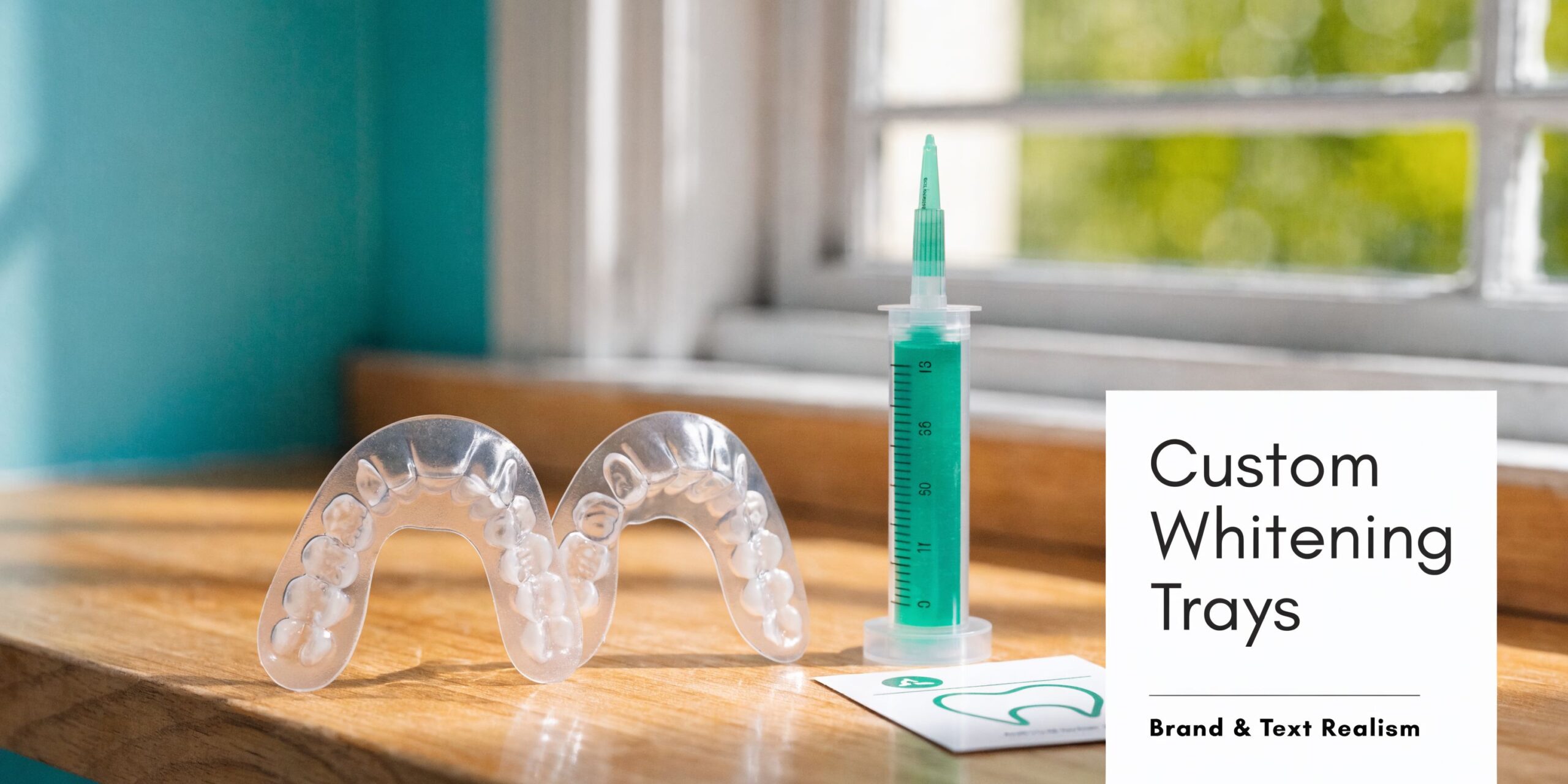
Custom trays are made from impressions or scans of the patient’s teeth, so the gel sits more evenly and is less likely to spill onto the gums. This matters for busy adults in Circleville or Carroll who want to whiten in the evening, during a quiet hour at home, without guessing whether the tray fits.
Dentist-supervised take-home systems also give patients more flexibility. Some wear them for shorter sessions if their teeth are prone to sensitivity. Others use them after a cleaning and touch up the shade over time instead of trying to do everything in one visit.
Research summarized by Dr. John Patterson’s whitening statistics page notes that take-home dentist kits average $438 and usually deliver gradual improvement over 2 to 4 weeks. That makes them a practical middle ground for patients who want stronger results than strips but aren’t in a rush.
Custom trays usually work best for patients who want control. They can pause, shorten wear time, or spread treatment out without giving up professional guidance.
This option often works well for:
- Busy schedules: Parents, commuters, and professionals can whiten on their own time.
- Maintenance after in-office whitening: Touch-ups are easier when the trays are already made.
- Patients who value fit: A well-made tray is usually more comfortable than a one-size product.
There’s also a decision-making advantage. A patient looking for a new family dentist and cosmetic dentist in Amanda, OH may prefer whitening that starts with an exam, because stains don’t always tell the full story. Sometimes the issue is tartar, old fillings, or one dark tooth that needs a different approach entirely.
3. Whitening Strips Over-the-Counter
Whitening strips are the option many patients try first. They’re easy to find, relatively inexpensive, and simple enough to use without making a dental appointment.
Where strips fit
For mild surface staining, strips can help. They’re often a reasonable choice for a college student, a young professional, or someone who already had professional whitening and just wants a modest refresh.
The main benefit is convenience. A box can be used at home with little setup, and the upfront cost is usually much lower than professional treatment. The trade-off is limited power and limited precision. The strip only reaches the surfaces it covers well, and it won’t adapt around rotated teeth, uneven edges, or dental work.
The same whitening review from Loud Family Dentistry notes that over-the-counter products cost about $70 and typically deliver only 1 to 3 shades of improvement over several weeks. That makes strips more of a light cosmetic upgrade than a dramatic transformation.
A realistic scenario is a patient in Lancaster using strips before family photos and feeling pleased with a small improvement, but still noticing deeper staining near the gumline or between crowded teeth.
A few smart habits make strips safer and more useful:
- Start with dry teeth: Strips usually adhere better when the front surfaces aren’t wet.
- Keep them off the gums: If the strip overlaps soft tissue, irritation is more likely.
- Don’t extend the wear time: More time doesn’t always mean better results. It can just mean more sensitivity.
Strips are often good enough for light stains. They usually aren’t the best teeth whitening option when a patient wants a noticeable change fast.
Patients with crowns, bonding, or veneers should also be careful with expectations. Whitening products change natural tooth color, but they don’t whiten many existing restorations, so a shade mismatch can become more obvious.
4. Whitening Gel Trays Generic Boil-and-Bite
Boil-and-bite whitening trays sit in the middle of the market. They aren’t as cheap and simple as strips, but they also aren’t as accurate or comfortable as trays made by a dentist.
The main trade-off
These kits appeal to patients who want a tray-based method without paying for custom fabrication. After softening the tray in hot water, the user molds it around the teeth and fills it with gel at home.
That sounds straightforward, but the fit is often hit or miss. If the tray is loose, gel can leak onto the gums. If it’s too bulky, patients may stop using it consistently. In whitening, consistency matters almost as much as strength.
A practical example is someone in Circleville who wants more coverage than strips can provide, especially if stains are spread across several front teeth. A generic tray can sometimes work better than strips for that goal, but comfort and evenness are less predictable.
This category makes sense for patients who:
- Want a budget-friendly tray option: It offers more coverage than strips without the cost of custom trays.
- Have mild to moderate staining: It’s better suited to gradual improvement than deep whitening.
- Are comfortable following instructions carefully: Poor molding and overfilling are common reasons these kits go badly.
The downside isn’t just slower results. It’s uneven results. The best whitening plans create close, even gel contact while keeping soft tissue protected. Generic trays can struggle with both.
That’s why many patients who begin with boil-and-bite systems later switch to dentist-made trays. They want a better fit, less mess, and fewer surprises. For someone searching for a cosmetic dentist near me in Amanda, OH, that upgrade often makes more sense than repeatedly buying products that never quite deliver.
5. Whitening Mouthwashes and Rinses
Whitening rinses are easy to add to a routine, and that’s exactly why they stay popular. They ask very little from the user. Swish, spit, move on with the day.
Best use for rinses
The problem is contact time. A whitening ingredient can’t do much if it only touches the teeth briefly. Rinses may help maintain brightness after a stronger whitening treatment, but they’re rarely the product that creates a major shade change on their own.
This is the option for the patient who already brushes well, wants a small boost, and likes the idea of maintenance built into a daily habit. It isn’t the best pick for someone with years of coffee staining who wants a noticeably whiter smile before an upcoming event.
A common local example is a patient in Carroll who had whitening done previously and wants a low-effort way to help preserve the result between visits. In that role, a rinse may be useful.
Research summarized by SNS Insider’s teeth whitening market report shows that whitening toothpaste dominates the market because of affordability and daily convenience. That same basic logic explains why whitening rinses remain popular too. They fit easily into routines, even if their whitening power is limited.
Patients tend to get the most value from a rinse when they use it with realistic expectations:
- Use it for upkeep: It’s better for maintenance than for primary whitening.
- Pair it with stronger options: It can support results from trays or in-office treatment.
- Stay consistent: Daily use matters more than occasional use.
A whitening rinse is usually a support product, not the main event.
For many patients at Amanda Family Dental, that distinction matters. Using the right product for the right job saves time, money, and frustration.
6. Natural and DIY Whitening Methods Charcoal Oil Pulling Baking Soda
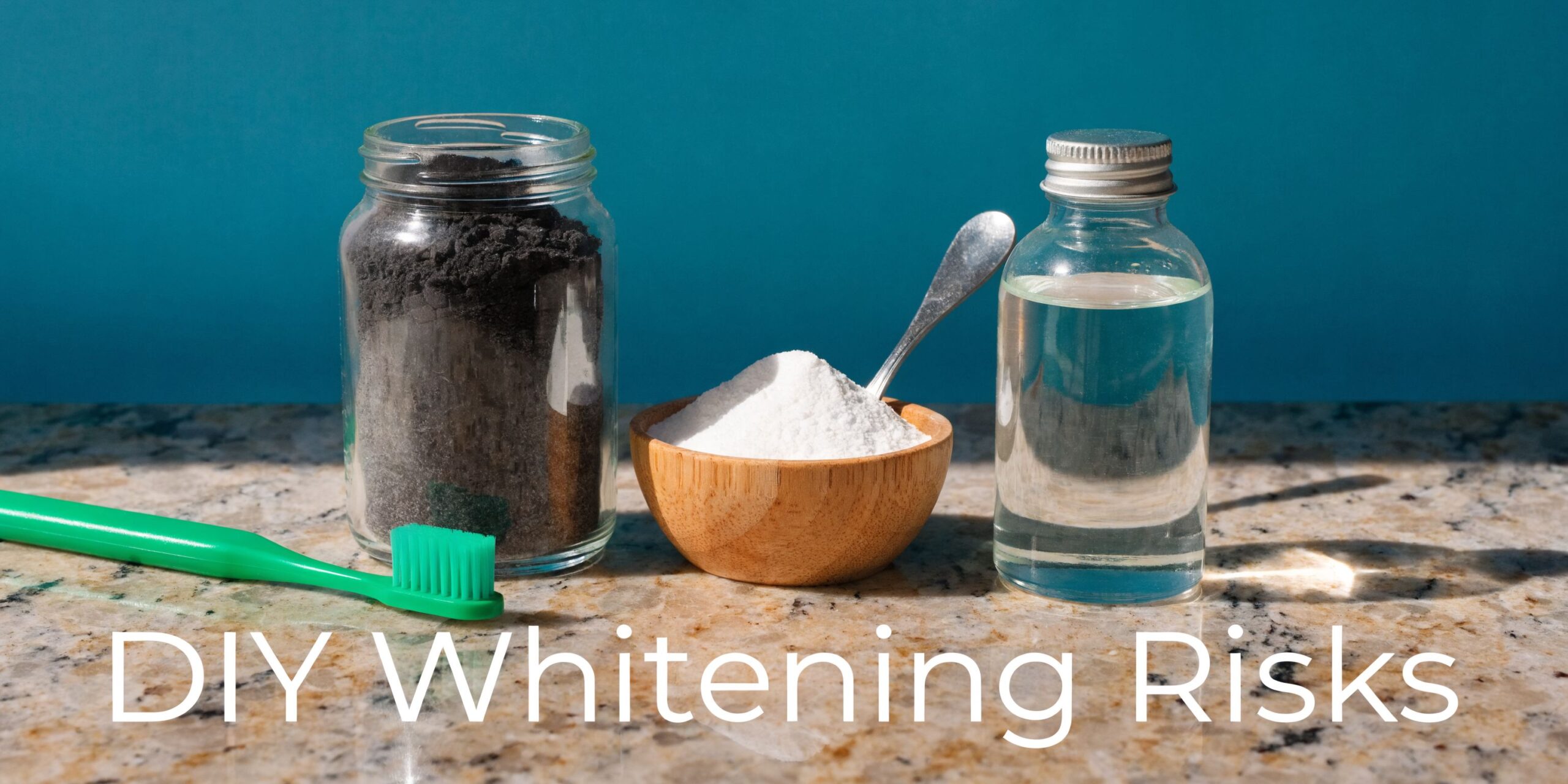
DIY whitening gets attention because it feels simple and inexpensive. A social media post makes charcoal look dramatic. A home remedy sounds convenient. Natural ingredients can seem gentler by default. That doesn’t mean they’re the best choice.
What tends to go wrong
The biggest issue with DIY methods is that they often focus on abrasion or experimentation instead of controlled whitening. Some people scrub with baking soda too often. Others try charcoal powders that can be messy and hard on enamel surfaces. Oil pulling may be part of someone’s oral hygiene routine, but it isn’t a substitute for effective whitening treatment.
There’s also a difference between removing a little surface buildup and changing tooth shade. DIY methods can blur that line, which leads patients to overuse them.
One source in the verified data notes that charcoal toothpaste showed the highest over-the-counter efficacy in a comparative analysis, while clinically validated peroxide formulas still outperformed it overall for whitening outcomes, according to Dr. John Patterson’s whitening statistics summary. That’s a useful reminder. A trendy product can perform better than expected in one narrow category and still fall short of professional-grade whitening.
A cautious approach looks like this:
- Use baking soda sparingly: Occasional use is very different from aggressive daily scrubbing.
- Avoid improvising peroxide mixtures: Concentration and exposure matter.
- Stop if sensitivity increases: Whitening shouldn’t turn into ongoing discomfort.
A patient in Amanda with enamel wear, gum recession, or sensitive teeth can do more harm than good with repeated DIY attempts.
If a method sounds harsher than brushing and easier than a real exam, it usually deserves skepticism.
For families looking for safe dental care in Amanda, Lancaster, Circleville, or Carroll, professional guidance is especially important. Some stains need whitening. Some need cleaning. Some need restorative treatment. A home recipe can’t tell the difference.
7. Internal Bleaching for Root Canal-Treated Teeth
Not all discoloration starts on the outside of the tooth. A tooth that has had root canal treatment can darken from within, sometimes turning gray, brown, or dull compared with neighboring teeth.
When this option matters
Surface whitening usually won’t solve that problem well. If only one front tooth looks much darker, especially after past trauma or root canal therapy, internal bleaching may be the more conservative answer.
This treatment places whitening material inside the tooth rather than only on the enamel surface. It’s a targeted option, which makes it very different from a strip, rinse, or tray that treats the whole smile at once.
A common real-world example is a patient from Lancaster who likes the overall color of the smile but feels that one dark tooth stands out in every photo. Instead of covering that tooth immediately with a crown or veneer, a dentist may evaluate whether internal bleaching can improve the shade first.
This kind of case needs proper diagnosis. The tooth must be assessed for seal quality, structural condition, and long-term restorability. Patients often have questions about prior endodontic treatment before cosmetic work begins, and Amanda Family Dental provides related information about how long a root canal may take.
The strengths of internal bleaching are specific:
- Best for one discolored root canal-treated tooth: It addresses internal staining directly.
- More conservative than covering the tooth immediately: In selected cases, it can improve appearance without moving straight to more extensive cosmetic treatment.
- Not a universal whitening method: It won’t replace full-smile whitening when several teeth are stained.
Patients who have one stubborn dark tooth often feel frustrated after trying standard whitening products. In those cases, the issue isn’t that whitening never works. It’s that the wrong type of whitening was chosen.
8. Laser and LED Whitening Activation Systems
Light-assisted whitening systems are heavily marketed, and patients often ask whether the light itself is what makes the treatment better. The answer is more nuanced.
What patients should ask before paying more
Laser and LED systems are usually paired with professional whitening gel in a dental office. The treatment can feel more high-tech, and in some cases it may help shorten chair time. But the whitening gel remains the core part of the process.
Verified data summarized by SNS Insider’s market report points to innovations such as peroxide-free gels, violet LED kits designed to reduce hypersensitivity, and AI-personalized systems. That reflects how quickly cosmetic dentistry keeps evolving. It doesn’t mean every light-based system is automatically superior for every patient.
Some patients do like these systems because they fit into an efficient office visit and feel more comfortable than repeated at-home attempts. Others may be better served by traditional in-office whitening gel or custom trays, especially if cost is a concern.
A good conversation before treatment includes:
- Ask what is doing the whitening: Usually it’s the gel, with light serving as an added component.
- Ask whether the fee is higher: If there’s a premium, patients should understand what benefit is expected.
- Ask how sensitivity is managed: That matters more than the technology branding.
One practical local scenario is a patient in Circleville searching for a cosmetic dentist near me and comparing several whitening offers online. The safest choice isn’t the one with the flashiest device name. It’s the one that includes an exam, a clear plan, and realistic expectations.
Technology can help. It shouldn’t replace good diagnosis or honest guidance.
Side-by-Side Comparison of 8 Teeth Whitening Options
| Item | Implementation complexity | Resource requirements | Expected outcomes | Ideal use cases | Key advantages |
|---|---|---|---|---|---|
| Professional In-Office Whitening | High, clinical procedure requiring chair time | High cost; dental equipment, professional-grade gels, protective barriers | Rapid, dramatic whitening (often 6–8 shades) in one 60–90 min session; results 6–12 months with maintenance | Patients needing fast, noticeable change (events, smile makeovers) | Fastest results; dentist-supervised safety and customization |
| Custom Take-Home Whitening Trays | Moderate, dentist creates molds and provides gel | Moderate cost; custom trays, professional-strength gel, dental follow-up | Gradual, controlled whitening over 1–3 weeks; reusable for touch-ups | Patients wanting professional results at home and flexible scheduling | Custom fit for even coverage; professional oversight; lower sensitivity risk |
| Whitening Strips (Over-the-Counter) | Low, simple at-home application | Low cost; pre-coated strips from retailers | Visible in days; modest improvement (typically 2–3 shades); shorter duration (3–6 months) | Budget-conscious users and maintenance between professional treatments | Very accessible and easy to use; inexpensive |
| Whitening Gel Trays (Generic/Boil-and-Bite) | Low–Moderate, home molding required | Low cost; moldable trays and OTC gel syringes | Moderate whitening over 1–2 weeks; less consistent than custom trays | Users seeking better coverage than strips without dental visit | Cheaper than custom trays; better coverage than strips; reusable |
| Whitening Mouthwashes and Rinses | Very low, integrates into routine oral care | Very low cost; store-bought mouthwash | Minimal, gradual whitening over months; primarily maintenance | Daily maintenance of existing whitening or minor enhancement | Convenient, safe for daily use; combines oral care benefits |
| Natural and DIY Whitening Methods | Low, home remedies, technique-dependent | Very low cost; household items (charcoal, baking soda, oils) | Limited and largely anecdotal results; risk of enamel abrasion or irritation | Users preferring low-cost or “natural” approaches (with caution) | Affordable and accessible; perceived “natural” appeal |
| Internal Bleaching for Root Canal-Treated Teeth | High, specialized clinical procedure | Moderate cost; endodontic access, professional-grade internal gel, multiple visits | Highly effective for intrinsic discoloration of root-canal teeth; long-lasting (years) | Restoration of single dark teeth after root canal as alternative to crowns | Targets intrinsic staining conservatively; can avoid restorative replacement |
| Laser and LED Whitening Activation Systems | High, in-office tech-driven procedure | High cost; light/laser equipment, professional gels, trained staff | Fast results comparable to in-office whitening; mixed evidence for added light benefit; 6–12 months | Patients seeking perceived advanced-tech solutions in clinic | Perceived faster/modern approach; clinic-supervised and efficient appointments |
Your Next Step to a Whiter Smile in Amanda, OH
The best teeth whitening option depends on what’s causing the discoloration, how quickly results are needed, how sensitive the teeth are, and whether there are crowns, fillings, bonding, or root canal-treated teeth involved. That’s why the safest place to start isn’t the drugstore aisle. It’s a dental exam.
Professional whitening remains popular for a reason. It gives patients a supervised way to brighten their smile with stronger materials, clearer expectations, and support if sensitivity or uneven color is a concern. For some people, that means an in-office appointment. For others, custom take-home trays make more sense. And for a few, the right answer isn’t traditional whitening at all. It may be internal bleaching, a cleaning, or cosmetic treatment that addresses one tooth that doesn’t match the rest.
Amanda Family Dental serves patients in Amanda, Lancaster, Circleville, and Carroll, OH with a patient-focused approach to cosmetic and general dental care. During a new patient exam, Dr. Alyssa Jenkins and the team can evaluate the health of the teeth and gums, take digital X-rays when needed, and look for issues that could affect whitening results. That includes cavities, worn enamel, exposed roots, old restorations, and discoloration that may not respond well to over-the-counter products.
This step matters because whitening works best when the plan matches the smile. A patient with light surface staining has different needs than someone with deeper discoloration, sensitive teeth, or one dark root canal-treated tooth. A thoughtful evaluation helps prevent wasted money and helps patients choose a treatment that fits their timeline, comfort level, and budget.
For local families who are also looking for a dentist near me, cosmetic dentist near me, or a dental office that can handle everything from cleanings and exams to restorative dentistry and emergency dental services, that kind of guidance is valuable. Whitening is often part of a bigger picture. A healthier mouth usually leads to better cosmetic results and longer-lasting confidence.
Amanda Family Dental also offers professional whitening as part of its cosmetic services, which can be helpful for patients who want care close to home with a team that already knows their dental history. Flexible scheduling, personalized treatment planning, and accessible payment options can make it easier to move forward without guesswork.
A brighter smile should feel exciting, not confusing. Patients in Amanda and the surrounding Ohio communities don’t have to sort through every product alone. A local consultation can narrow the options quickly and point to what’s likely to work.
Ready to explore the best teeth whitening options with a trusted local team? Contact Amanda Family Dental to schedule a consultation and find the right whitening plan for your smile in Amanda, Lancaster, Circleville, or Carroll, OH.