

Root Canal Treatment Near Me: A Step-by-Step Patient Guide
When a tooth begins throbbing, reacting sharply to temperature, or hurting every time you bite, it is natural to worry about what comes next. Many patients search for “root canal treatment near me” because they want relief but are uncertain about what the procedure involves.
The phrase “root canal” has an intimidating reputation, yet the treatment is designed to remove the inflamed or infected tissue causing the problem. With modern anesthetic and careful treatment, most patients remain comfortable during the procedure. The goal is to relieve pain, stop the infection from progressing, and preserve the natural tooth whenever possible.
Amanda Family Dental provides root canal treatment, digital X-rays, custom dental crowns, and restorative care for patients in Amanda, Ohio, and surrounding communities. Understanding each stage before your appointment can make the experience feel much more manageable.
Why Would You Need Root Canal Treatment?
Inside each tooth is a space containing dental pulp. This soft tissue includes nerves, blood vessels, and connective tissue. Although the pulp plays an important role while a tooth is developing, a mature tooth can continue functioning after the damaged pulp has been removed because the surrounding tissues continue to support it.
The pulp may become inflamed or infected because of deep decay, a crack or chip, repeated dental procedures, a failing restoration, or an injury. Trauma can damage the pulp even when there is no obvious fracture on the outside of the tooth. If the condition is left untreated, it may lead to worsening pain or an abscess.
Possible warning signs include persistent tooth pain, lingering sensitivity to hot or cold, tenderness when chewing, swollen gums, tooth darkening, or a pimple-like bump near the affected tooth. Some damaged teeth produce few symptoms, which is why an examination and dental imaging are often necessary before deciding on treatment.
Step 1: Scheduling an Evaluation
Your first step is not automatically having a root canal. It is finding out what is causing the discomfort.
When you contact the dental office, describe the location and severity of the dental pain, how long it has been present, whether swelling has developed, and what triggers the symptoms. Mention any recent injury, broken filling, cracked tooth, or previous treatment in the area.
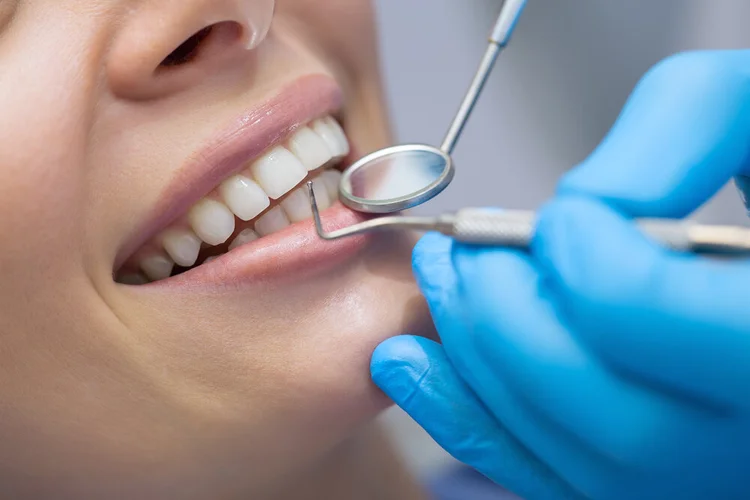
At the appointment, the dentist will review your symptoms and examine the tooth, gums, and surrounding structures. The tooth may be checked for sensitivity to temperature, tapping, biting pressure, or other stimuli. These tests help determine whether the pulp is healthy, irritated, or unlikely to recover.
Amanda Family Dental encourages patients to call during business hours for the fastest response. The office provides root canal evaluations at its location on West Main Street in Amanda.
Step 2: Taking Digital X-Rays
The visible part of the tooth tells only part of the story. Dental X-rays allow the dentist to assess the roots, surrounding bone, depth of decay, previous restorations, and changes that may indicate infection.
Amanda Family Dental uses digital X-rays to examine areas that cannot be seen during a visual examination. The images appear quickly and can be reviewed with the patient during the visit, helping the dentist explain the diagnosis and recommended treatment more clearly.
An X-ray can also help reveal the number and shape of the roots. Front teeth generally have simpler internal anatomy, while premolars and molars may have several narrow or curved canals. This difference can affect how long treatment takes and whether referral to an endodontist would be helpful.
General dentists receive training in root canal therapy, while endodontists complete additional education focused on diagnosing and treating conditions inside teeth. Complex anatomy, previous root canal treatment, unusual damage, or other complications may lead a general dentist to recommend specialist care.
Step 3: Numbing and Isolating the Tooth
Once root canal treatment has been recommended, local anesthetic is used to numb the tooth and surrounding tissues.
Many patients believe the procedure itself causes severe pain. In reality, the pain that brings someone to the dentist usually comes from inflammation or infection already inside the tooth. Root canal therapy is performed to remove that source of discomfort. Modern techniques and anesthetics allow most patients to remain comfortable during treatment.
After the tooth is numb, a small protective sheet called a dental dam is typically placed around it. The dental dam isolates the tooth from the rest of the mouth, keeps the area dry, and prevents saliva from entering the canals during treatment.
You remain awake and can breathe normally throughout the procedure. Let the dental team know when you need a brief pause or feel uncomfortable.
Step 4: Accessing the Inside of the Tooth
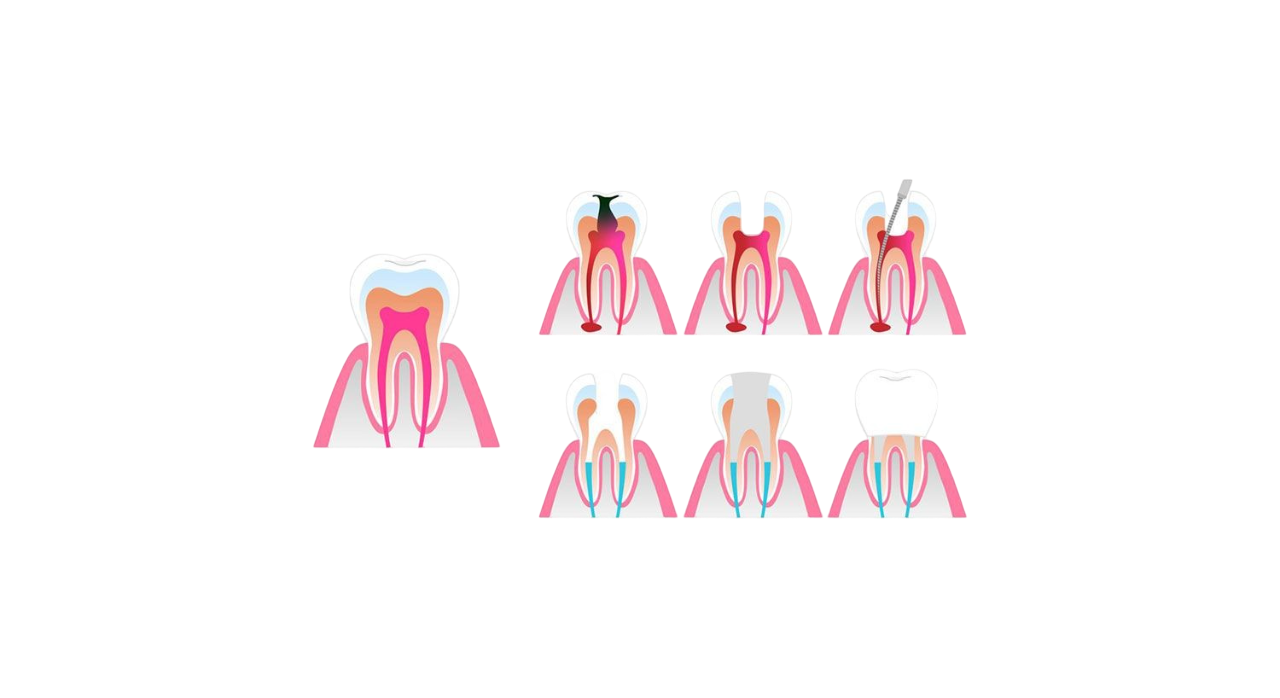
The dentist creates a small opening through the top of the tooth to reach the pulp chamber and root canals.
Very small instruments are then used to remove the inflamed or infected pulp. The dentist carefully works through each canal, removing tissue and shaping the internal space so it can be properly cleaned and sealed.
This part of the procedure requires precision. Root canals are extremely small, and their shape varies from tooth to tooth. Some are relatively straight, while others curve or branch.
Removing the pulp does not mean the tooth can no longer function. Once treatment and restoration are complete, the tooth can continue contributing to normal biting and chewing.
Step 5: Cleaning and Disinfecting the Canals
After the damaged pulp has been removed, the canals are cleaned and disinfected. The purpose is to reduce bacteria and remove remaining debris from the internal spaces of the tooth.
The canals are also shaped to receive the filling material. This stage is essential because simply removing the nerve without thoroughly cleaning and sealing the tooth would leave an opportunity for bacteria to remain or return.
Depending on the condition of the tooth, treatment may be completed in one appointment or divided between visits. Root canal therapy can often be performed in one or two visits, but the exact timeline depends on the tooth, infection, anatomy, and treatment response.
When another visit is necessary, medication may be placed inside the tooth and a temporary filling used to protect it between appointments.
Step 6: Filling and Sealing the Tooth
Once the canals are clean and properly shaped, they are filled with a biocompatible material. A commonly used material is gutta-percha, a rubber-like substance placed with adhesive cement to seal the canals.
The access opening is then closed with a temporary or permanent filling, depending on the treatment plan. The seal helps prevent saliva and bacteria from entering the cleaned canals.
At this point, the infected tissue has been removed, but the treatment is not always completely finished. The tooth may still need a permanent restoration to protect it from breaking.
Step 7: Restoring the Tooth With a Crown
A tooth that needs root canal therapy has often already been weakened by decay, a large filling, a crack, or previous dental work. The opening required to access the canals can also reduce the amount of remaining tooth structure.
For these reasons, many root canal-treated teeth need a dental crown. A crown covers the visible portion of the tooth and helps restore its strength, shape, appearance, and function. Back teeth commonly need crowns because they absorb considerable chewing pressure. The restoration needed for a front tooth depends on its location and the amount of healthy structure remaining.
Amanda Family Dental provides custom crowns for teeth weakened by decay, fractures, large fillings, and root canal treatment. Each crown is designed to fit the tooth and bite while blending with the surrounding smile.
Do not postpone the permanent restoration. An unrestored root canal-treated tooth can be more vulnerable to fracture, particularly when chewing hard foods.
Step 8: Recovering After Treatment
Your mouth may remain numb for several hours. Avoid chewing until normal sensation returns so you do not accidentally bite your tongue, cheek, or lip.
Mild tenderness around the tooth and temporary jaw soreness can occur for a few days, especially when the tooth was painful before treatment. Follow the instructions provided by your dentist regarding medication, diet, brushing, and flossing.
Until the tooth has been permanently restored, avoid chewing hard or sticky foods on that side. You can generally brush and floss as usual, but be gentle around the treated area.
Contact the dental office when you experience severe pain or pressure that continues for more than a few days, visible swelling, an uneven bite, a temporary filling that comes out, or the return of the symptoms you experienced before treatment.

Root Canal Treatment or Tooth Extraction?
Some patients wonder whether removing the tooth would be simpler. Extraction may be necessary when a root is severely fractured, the tooth lacks adequate bone support, the canals cannot be treated, or there is not enough healthy structure to restore the tooth. However, root canal therapy allows many infected teeth to remain in place.
Removing a tooth can create additional decisions about replacing it with a dental implant, bridge, or removable restoration. When the natural tooth can be predictably saved, preserving it may avoid those additional procedures.
The right choice depends on the tooth’s condition, surrounding bone, long-term prognosis, restorative needs, and your overall oral health. A trustworthy dentist should explain both options rather than recommending treatment without showing you why.
Planning for the Cost of Care
Root canal costs vary according to the tooth and complexity of treatment. Molars generally require more involved care because they often contain multiple canals. A crown or other permanent restoration may be priced separately from the root canal itself.
Ask for a written estimate that explains the root canal procedure, temporary restoration, final crown, anticipated insurance benefits, and expected out-of-pocket amount.
For patients without traditional dental insurance, Amanda Family Dental offers its Power Plan Membership. The published adult plan includes an annual examination, dental cleaning, and X-rays, along with a stated 20% discount on general dentistry services such as root canals and crowns. Patients should confirm current terms and treatment eligibility directly with the office.
Find Root Canal Treatment Near Amanda, Ohio
Root canal treatment is a sequence of carefully planned steps: diagnosing the problem, numbing the tooth, removing the infected pulp, cleaning and sealing the canals, and completing the appropriate permanent restoration.
Amanda Family Dental provides root canal therapy, digital X-rays, custom crowns, and comprehensive restorative planning in a welcoming local setting. Dr. Alyssa Jenkins emphasizes listening, patient education, comfort, clear communication, and long-term oral health. She is an alumna of The Ohio State University College of Dentistry and has completed advanced training through The Dawson Academy.
The practice serves Amanda, Lancaster, Circleville, Stoutsville, Ashville, Carroll, Lithopolis, Sugar Grove, Logan Elm Village, and other nearby Ohio communities. To schedule an evaluation for persistent tooth pain, swelling, lingering sensitivity, or discomfort while chewing, call Amanda Family Dental at 740-969-1198. The office is located at 145 W. Main Street in Amanda, Ohio.